Corruption

now browsing by category


The US Health Care System Wastes $800 Billion Annually


Reproduced from original article:
https://articles.mercola.com/sites/articles/archive/2025/01/04/usa-health-care-system.aspx


Analysis by Dr. Joseph Mercola   
January 04, 2025

STORY AT-A-GLANCE

  • The U.S. health care system wastes approximately $800 billion annually, which is nearly 30% of its total expenditure, primarily due to unnecessary services and administrative inefficiencies
  • Americans pay almost twice as much for health care compared to other developed countries, yet experience worse health outcomes like lower life expectancy
  • Unnecessary medical services, misaligned financial incentives and profit-driven practices contribute significantly to waste, often prioritizing procedures over patient well-being and effective treatment
  • Overtreatment, excessive end-of-life care and unnecessary diagnostic procedures like cardiac stents and mammograms are major sources of medical resource overutilization
  • Proposed reforms include promoting evidence-based medicine, restructuring payment models, improving palliative care, reducing overdiagnosis and shifting focus from quantity of care to quality of patient outcomes

The United States health care system is renowned for its cutting-edge technology and innovative medical achievements. However, it is also riddled with inefficiencies, which result in a staggering $800 billion of annual waste, accounting for nearly 30% of spending. Much of this financial burden stems from unnecessary services, administrative bloat and misaligned incentives.

Worst of all, this waste misses the original point all along, which is treating patients, undercutting the very goal of medicine. Therefore, addressing these systemic flaws is not just an economic imperative, it’s essential to ensuring the survival for people who request these services.

The Scale of Economic Waste in US Health Care

The documentary titled “$800 Billion Wasted: What Is the TRUE Cost of Health Care?” goes on a deep dive into the systemic rot that has permeated the health care sector of America. This film shows that despite spending more per capita on health care than any other developed nation, America lags in key health metrics, such as life expectancy and maternal mortality rates.

Americans pay nearly twice more than their European counterparts for care but often see worse outcomes. A closer look reveals that this discrepancy stems from overdiagnosis and overtreatment. Many tests and procedures add little or no value to patient health. As supported in a 2024 report by Health System Tracker:1

“In 2021, the U.S. spent nearly twice as much on health per person as comparable countries ($12,197 compared to $6,514 per person, on average).

The largest category of health spending in both the U.S. and comparable countries is spending on inpatient and outpatient care, which includes payments to hospitals, clinics and physicians for services and fees such as primary care or specialist visits, surgical care, provider-administered medications and facility fees …

Similarly, many retail prescription drugs cost more in the U.S. than the same drugs do in other comparable nations. In 2021, the U.S. spent $1,635 per capita on prescription drugs and other medical goods (including retail pharmaceuticals, over-the counter drugs, as well as durable and non-durable medical equipment) while comparable countries spent $944 per capita on average, a difference of $691 per person.

Spending on health administration is similarly much higher in the U.S. than in comparable countries: $925 compared to $245 per person, respectively, a difference of $680 per person. Administrative costs include spending on running governmental health programs and overhead from insurers, but exclude administrative expenditures from health care providers.”

For example, stents are widely used diagnostic tools. However, half of the stents placed in U.S. patients are unnecessary. Similarly, mammograms performed in women under 50 frequently lead to false positives, unnecessary interventions and anxiety, often without improving mortality rates.

As these examples show, more “care” does not always mean better health. In fact, it often exacerbates risks. And what is the reason for this? The pursuit of profit. Big Pharma is incentivizing health care professionals to push drugs, products and other services to squeeze out every dime from unsuspecting patients.

The Different Health Care Services Contributing to Economic Waste

Economic waste in the U.S. health care system manifests in several forms, each with profound implications:

• Unnecessary services — Overtreatment is pervasive. For instance, the documentary highlights a case where a cardiac patient halted a stent procedure after realizing it would require lifelong blood thinners, despite minimal clinical benefit. Such practices, driven by fee-for-service models, unnecessarily inflate costs.

In another example shown in the documentary, certain women will be treated for breast cancer even if they don’t have it. In the end, they’ll undergo a mastectomy simply because their doctor deemed it necessary.

• End-of-life care — Patients nearing death often receive aggressive treatments, such as extended ICU (intensive care unit) stays and invasive procedures that prolong suffering without meaningful improvement in quality of life. Families are rarely equipped to make these decisions due to a lack of advanced care planning.

• Misaligned incentives — Physicians are paid more to perform procedures, not necessarily to provide better care. This system incentivizes volume of procedures completed over value, leading to interventions that could be harmful or redundant.

Save This Article for Later – Get the PDF Now

Download PDF

The Consequences of Health Care Waste

The human cost of health care waste is immense. Medical errors, unnecessary surgeries, and overexposure to radiation from diagnostic tests like CT (computerized tomography) scans rank among the leading causes of patient harm.

Moreover, the financial toll on public programs like Medicare and Medicaid is unsustainable. By 2050, these programs, combined with interest on the national debt, could consume over 70% of the federal budget. Left unchecked, escalating health care costs threaten to bankrupt the nation.

This waste also erodes trust in the system. Families struggling to navigate complex medical decisions often find themselves at odds with health care providers, particularly in high-stakes scenarios like ICU care. The lack of clarity and consistency in medical advice amplifies confusion and fear.

Consequently, the health care industry could learn much from the “less is more” approach, as well as returning the decision-making process to the patient. As noted in the documentary:

“There’s this wonderful study that just came out that looked at cancer patients who had standard treatment — fairly aggressive treatment — versus palliative care. So, palliative care simply meant that nobody was going for cures and comfort was paramount, and the question was, ‘what happened to those patients?’

Lo and behold, the palliative care patients lived longer. Now, some patients will want that aggressive approach and if they ask for it, they will get it …”

Health Care in America Is Surrounded with Challenges, but There Is Hope

While the documentary sheds light on the problems plaguing health care in America, not all systems operate inefficiently. Intermountain Healthcare, a Utah-based organization, demonstrates how data-driven decision-making and team-based care reduce costs without compromising quality:2

“A team of specialists at Intermountain identified that elective labor induction was one source of waste and resource overutilization was elective labor induction.6 After targeting this area of inefficiency, Intermountain developed a new clinical protocol to reduce inappropriate care and resource utilization.

This resulted in a reduction of labor induction from 28% to less than 2%, in addition to a decrease in deliveries by cesarean section to 21% to 13% under the national rate. Intermountain has saved about $50 million annually, and if this protocol is to be applied nationally, it can save up to $3.5 billion annually.”

While other organizations could certainly learn from the efficiency improvements of more capable groups, changing the entire industry is easier said than done. Providers often feel pressured by malpractice concerns and patient expectations to offer more care, even when evidence suggests otherwise. Additionally, educating patients about the risks of unnecessary tests or treatments remains a significant hurdle.

The current payment structure compounds these issues. Fee-for-service models reward quantity over quality, perpetuating wasteful practices. Transitioning to value-based care, where providers are compensated for positive patient outcomes, is essential but, again, requires significant systemic overhaul.

A Call to Action to Reform the Health Care Industry

Wasted money on health care services is a serious matter. The collective $800 billion that patients needlessly spend could have been used for other important matters, such as furthering their family’s well-being, which includes nutrition education. That said, here are four ways that will help turn things around for the better:

• Promoting evidence-based medicine — Comparing the effectiveness of treatments is the ideal guide for making decisions. Patients must also be made aware of new evidence that comes to light regarding standard treatments, such as chemotherapy.

Speaking from my own experience, I’ve seen the damage of chemotherapy to the human body. Essentially, it’s one of the worst choices you can make when it comes to choosing a cancer treatment plan — it damages the immune system and gut microbiome to the point where the body’s natural healing abilities are hindered. Why? Again, the answer is profit.

Chemotherapy is a billion-dollar industry, and there’s a big incentive for oncologists to put patients on this so-called treatment at the expense of their lives. So, before considering chemotherapy, I urge you to exhaust all other alternative options.

• Reforming payment models — Campaign and persuade health care industry leaders to transition to payment systems that align incentives that result in better patient outcomes. Such models prioritize preventive care, which is better than taking a reactive approach.

• Improving palliative care — Open discussions about death and end-of-life care must become the norm, not the exception. Encouraging advance directives and involving trusted primary care providers will help families make informed choices.

• Reducing overdiagnosis — Create and spread public awareness campaigns to educate patients about the risks of false positives and unnecessary treatments. Reevaluating cancer screening guidelines is a critical step in this direction.

For more information about this topic, read my article “50% of Women Had a False-Positive Mammogram After 10 Years.” There, I discuss the failure of mammograms to deliver an accurate diagnosis, as well as the radiation risk of this procedure.

Health care waste is not just a number that analysts invent out of thin air — it’s a crisis that affects every American, whether through higher premiums or taxes. The stakes are high, that much is true, but the road to better health care for all is clear.

Reducing waste will not only save hundreds of billions for the economy but also improve patient outcomes and even restore trust in the system. Now is the time to act, before the cost of inaction becomes insurmountable.

FDA’s Own Study Finds DNA Contamination in Pfizer Vaccines

© January 3, 2025 Children’s Health Defense, Inc. This work is reproduced and distributed with the permission of Children’s Health Defense, Inc.
Want to learn more from Children’s Health Defense?
Sign up for free news and updates from Robert F. Kennedy, Jr. and the Children’s Health Defense.
Your donation will help to support us in our efforts.
Reproduced from original article:
https://childrenshealthdefense.org/defender/fda-study-high-school-lab-dna-contamination-pfizer-covid-vaccine/

The peer-reviewed study, published Dec. 29, 2024, in the Journal of High School Science, was authored by three high school students and performed at an FDA lab under the supervision of FDA scientists. The findings prompted renewed calls for a moratorium on COVID-19 vaccines.

pfizer background with vaccine and dna helix

A peer-reviewed study performed at a U.S. Food and Drug Administration (FDA) laboratory by high school students has confirmed the presence of a high level of DNA contamination in Pfizer’s mRNA COVID-19 vaccine.

The study, published Dec. 29, 2024, in the Journal of High School Science, was authored by three students at Centreville High School in Clifton, Virginia, and performed under the supervision of FDA scientists.

Maryanne Demasi, Ph.D., an investigative medical reporter, was the first to report on the study.

The research, performed at the FDA’s White Oak Campus in Maryland, found that levels of residual DNA in the Pfizer COVID-19 vaccine were 6 to 470 times higher than regulatory safety limits. The students tested two lots of the vaccine, finding they contained “residual DNA to a level that exceeds 10 ng [nanograms] per dose.”

“The potential health risk posed by residual small DNA fragments is currently unknown,” the study stated. However, the authors also said that DNA contamination may result in insertional mutagenesis — or DNA mutations — that can cause cancer.

Speaking last month on “The Defender In-Depth,” Kevin McKernan, who first identified DNA contamination in the shots in 2023, said DNA in vaccines can pose health risks because the DNA “could integrate into the genome and cause disruption of the genome … or it could disrupt other genes that are related to cancer.”

The FDA did not respond to multiple requests for comment on the study.

COVID vaccines ‘must be immediately recalled’

The new findings challenge “years of dismissals by regulatory authorities, who had previously labelled concerns about excessive DNA contamination as baseless,” Demasi wrote on Substack.

The findings also align with earlier reports from independent laboratories in the U.S., Canada, Australia, Germany and France, she said.

McKernan, founder of Medicinal Genomics, told The Defender that eight studies have found DNA over the limit. “Very few studies are surveying a large number of lots, so each study is additive,” he said.

Epidemiologist Nicolas Hulscher said that in “light of this evidence, the COVID-19 genetic injections must be immediately recalled, to protect the public from further harm.”

Nikolai Petrovsky, Ph.D., director of biotechnology company Vaxine Pty Ltd., told Demasi that the findings are a “smoking gun” and that the new study “clearly shows the FDA was aware of these data.”

Christof Plothe, D.O., a member of the World Council for Health steering committee, agreed. He said:

“So far, the European, Australian, and American health regulatory boards have denied any risks from plasmid DNA contamination in the COVID-19 injections despite nine studies by internationally known research teams.

“All teams concluded that this contamination poses an unacceptable risk to three-quarters of the world’s population. … Three teams so far have demonstrated the integration into human cells. To what extent this is happening to everybody who was injected needs to be investigated.”

McKernan said that the FDA has long ignored evidence of the dangers posed by mRNA COVID-19 vaccines.

“The criteria for pulling these shots was established long before DNA contamination was first discovered,” he said. “I would hope that evidence of highly variable manufacturing would be grounds for immediate class 1 recall from the FDA. They are currently distracted with performing class 1 recalls on non-lethal hairspray.”

The Defender is 100% reader-supported. No corporate sponsors. No paywalls. Our writers and editors rely on you to fund stories like this that mainstream media won’t write.

A Class 1 recall involves “a situation in which there is a reasonable probability that the use of, or exposure to, a violative product will cause serious adverse health consequences or death.”

According to Demasi, “The FDA is expected to comment on the findings this week. However, the agency has yet to issue a public alert, recall the affected batches, or explain how vials exceeding safety standards were allowed to reach the market.”

Plothe noted that Demasi presented evidence of DNA contamination to the FDA in September 2024, asking if the agency had launched an investigation or requested further testing of the mRNA vaccines by their manufacturers.

“Nothing resulted from this request,” Plothe said. “As nine studies have proven this severe contamination and repeated requests to health regulatory boards have not led to any consequence, we must ask about the motive.”

Brian Hooker, Ph.D., chief scientific officer for Children’s Health Defense (CHD), noted the irony of high school students discovering what the FDA has seemingly missed in the four-plus years since the vaccines’ introduction.

“It is ironic that it takes student researchers at the FDA to do the work of the FDA regulators,” Hooker said. “It is alarming that the public is made aware of this contamination in an obscure journal that features high school science research. One has to ask, ‘Where is the FDA now?’ and ‘Why hasn’t the public been alerted of this?’”

Demasi said that the significance of the new study’s findings is that they came from research performed at an FDA facility.

“Now that DNA contamination of the mRNA vaccines has been verified in the laboratory of an official agency and published in a peer-reviewed journal, it becomes difficult to ignore,” Demasi wrote. “It also places vaccine manufacturers and regulators in a precarious position.”

Nature’s Heart Healers: New Research on Cardiac Regeneration Offers Hope Amid Rising Heart Concerns

© GreenMedInfo LLC. This work is reproduced and distributed with the permission of GreenMedInfo LLC.
Want to learn more from GreenMedInfo? Sign up for the newsletter here:
www.greenmedinfo.com/greenmed/newsletter
Reproduced from original article:
https://greenmedinfo.com/content/natures-heart-healers-new-research-cardiac-regeneration-offers-hope-amid-risin
Posted on:  Saturday, December 28th 2024 at 3:00 am

Written By:  GreenMedInfo Research Group
This article is copyrighted by GreenMedInfo LLC, 2024

As unprecedented rates of heart inflammation and damage emerge in the post-pandemic era, groundbreaking research reveals the heart’s remarkable ability to heal itself, supported by specific natural compounds.

The rising incidence of cardiac issues following widespread mRNA interventions has created an urgent need to understand and support the heart’s natural healing capabilities. While the full extent of injection-related heart damage continues to emerge, research showing the heart’s innate regenerative abilities – and natural compounds that enhance these processes – provides hope for those affected.

This research aligns perfectly with the groundbreaking work presented in Sayer Ji’s book “REGENERATE: Unlocking Your Body’s Radical Resilience through the New Biology.” The book explores how our bodies possess far greater self-healing capabilities than previously understood, including the heart’s remarkable regenerative potential. These insights are further expanded in the REGENERATE YOURSELF Masterclass, which offers detailed practical protocols for supporting the body’s natural healing processes.

The Heart’s Natural Healing Ability

Recent research has demonstrated that the heart contains resident stem cells capable of generating new heart muscle cells throughout life. This finding challenges the long-held belief that heart damage is permanent and irreversible. The discovery shows that the heart maintains a population of cardiac stem cells that can potentially regenerate damaged tissue under the right conditions.

Natural Compounds Supporting Heart Regeneration

Scientific research has identified several natural substances that show promise in supporting cardiac regeneration:

Resveratrol: Found in red wine and grapes, resveratrol has emerged as a powerful supporter of cardiac regeneration. Studies show it works by activating endogenous cardiac stem cells and improving myocardial regeneration following heart attacks. Research published in Molecular Medicine Reports demonstrates that resveratrol not only activates cardiac stem cells but also enhances their survival and function.

Geum Japonicum: This traditional herb has shown remarkable abilities to stimulate myocardial regeneration in animal studies. Research indicates it can support the regeneration of heart muscle tissue following damage, particularly in cases of acute myocardial infarction.

Rosa Laevigata (Chinese Rose): Studies have revealed that active compounds from this herb can induce substantial myocardial regeneration. The research, published in BMC Complementary and Alternative Medicine, shows it supports both regeneration and repair of damaged heart tissue.

Echinacea Combined with Wheat Germ: This combination has been shown to effectively mobilize stem cells that can home to cardiac tissue, potentially supporting natural regeneration processes. The research demonstrates their ability to enhance the body’s inherent regenerative capabilities.

Synergistic Approaches

What makes these findings particularly interesting is how these natural compounds work through multiple mechanisms:

  1. Stem Cell Activation: Many of these compounds can activate and mobilize cardiac stem cells.
  2. Anti-inflammatory Effects: They often provide complementary anti-inflammatory benefits that support the healing environment.
  3. Antioxidant Protection: Several compounds offer antioxidant protection that helps preserve healthy heart tissue.
  4. Cell Survival Support: These substances can enhance the survival of both existing heart cells and newly generated ones.

Practical Implications

This research opens new possibilities for integrative approaches to heart health. While conventional medical treatments remain essential for acute cardiac events, these natural compounds might offer supportive benefits for:

  • Recovery after heart damage
  • Ongoing cardiac health maintenance
  • Preventive heart health strategies
  • Support during conventional treatments

Understanding the Science

The research shows that these natural compounds work through various molecular pathways:

Exosome Stimulation: Some compounds enhance the production of exosomes, small vesicles that carry regenerative signals between cells.

Cellular Regeneration: They can activate specific genetic pathways that promote the formation of new heart muscle cells.

Anti-apoptotic Effects: Many of these substances help prevent programmed cell death while supporting healthy cell regeneration.

For more comprehensive research on this topic, interested readers can explore:

This emerging understanding of the heart’s regenerative capacity, combined with the identification of natural compounds that support this process, offers new hope for cardiac health – particularly relevant given current public health challenges. As unprecedented numbers of people seek support for cardiac health, these natural approaches, along with the comprehensive framework presented in “REGENERATE” and the Masterclass, provide valuable tools for supporting the heart’s inherent healing abilities.

Disclaimer: This article is not intended to provide medical advice, diagnosis or treatment. Views expressed here do not necessarily reflect those of GreenMedInfo or its staff.

Why Does the COVID Vaccine Persist In The Body?

Reproduced from original article:
https://www.midwesterndoctor.com/p/why-does-the-covid-vaccine-persist

The consequences of the questionable decisions made to manufacture the mRNA vaccines

DEC 24, 2024

Recently, new data emerged showing that the COVID vaccines persist for up to 700 days within patients (and likely longer). As this is quite concerning to many, I was required to write an article explaining how this happens, and how it relates to the egregious production process that characterized the COVID-19 vaccines.

Upsides and Downsides

A lot of things in life are trade-offs, and as I’ve gotten older, more and more I’ve come to appreciate how many things in our society boil down to the fact that the options for addressing them all have significant downsides, so in many cases no solution exists which is satisfactory to all parties involved.

As such, this dilemma is typically managed by some combination of the following:

• Having a biased focus which emphasizes the benefits of an approach a side supports and downplays its downsides (or conversely disproportionately focuses on the downsides of an opposing position). To this point, I’ve had countless issues I’ve debated both sides of and been able to effectively persuade audiences of each one—which highlights how subjective many of the entrenched beliefs we hold actually are (and, in turn, is why I put so much work here into fairly presenting both sides of each controversial topic I cover).

• Sweeping the downsides under the rug and gaslighting the populace into believing they don’t exist.

• Blitzing the public into supporting a questionable policy before they have time to recognize its downsides, and if that fails, overtly forcing them to go along with it.

Note: I believe one of the reasons why governments frequently do horrible things to their people is because they are put in the position of having to “solve” a problem (but with no truly satisfactory way to do it), so they become habituated to using the three previous strategies to push their chosen policies along and simultaneously develop a collective mentality that those questionable approaches are necessary for the “greater good.”

There are many different manifestations of this dilemma, many of which I believe are essentially reflective of a foundational concept in medicine—sensitivity and specificity.

An ideal diagnostic test would catch every instance of a disease (100% sensitivity) and simultaneously never have a false positive (100% specificity). Unfortunately, in almost all cases, this is impossible to do, and instead a trade-off exists where you can either prioritize sensitivity (which leads to a significant number of false positives) or prioritize specificity (which leads to a significant number of false negatives). During COVID for example, a decision was made to prioritize sensitivity with the PCR tests (by having a high replication cycle thresholds) so no cases of COVID would be missed, but this resulted in such poor specificity that the PCR tests effectively became worthless (except for drumming up fear) since they produced so many false positives.

As such, when tests are designed, attempts are made to ensure there is a good balance between sensitivity and specificity. In some cases this is successful (e.g., there are many lab results we will take at face value), but in many other cases, given the technology involved, it’s not really possible to do so (or it is, but lobbying led to overdiagnosis so a medical product could be sold).

Similarly:

• Many policies in the justice system aims to enact fall into this same situation. For example, an ideal death penalty is robust enough to deter murder (and keep violent criminals away from the public), but simultaneously lenient enough that it doesn’t accidentally execute innocent individuals. Since there is no way to have both perfect sensitivity and specificity on this, different states take radically different approaches to how they enforce the death penalty (lying all along the spectrum between sensitivity and specificity). Likewise, our judicial system was founded under the principle “innocent until proven guilty” whereas many other countries have judicial systems that are the exact opposite.

• In medicine, one of the greatest challenges is finding the appropriate dose, as people differ, so what might be a safe and therapeutic dose for one person could be toxic for another. As such, standardized doses are typically chosen by finding the best overall balance between efficacy (a sufficient dose) and safety (avoiding a toxic dose), but for many drugs, the standardized dose leads to many more sensitive patients becoming severely injured by the drugs (which is then commonly “addressed” by gaslighting those injured patients).
Note: a much more detailed discussion on the art of dosing can be found here.

• Every medical intervention has its risks and benefits, and ideally, the job of a physician should be to accurately weigh those to determine the best treatment for a patient (while simultaneously conveying what they are to the patient). Unfortunately, in many cases, they don’t (which is a large part of why patients are so dissatisfied with the medical system).

Overall, there are three key takeaways from this paradigm I wish to focus on in this article:

1. It is often incredibly difficult to find an acceptable balance between sensitivity and specificity, and many of the conventions our society now follows were the result of years of debate and protest from both sides to find a palatable middle ground between the two.

2. In almost any sphere I frequently find rushed attempts to find an acceptable balance between two conflicting positions to be immensely flawed and prone to creating significant issues in the future.

3. Many of the issues with the vaccine program are encapsulated by this framework.

The Forgotten Side of Medicine is a reader-supported publication. To receive new posts and support my work, consider becoming a free or paid subscriber. To see how others have benefitted from this newsletter, click here!

How Vaccines “Work”

Note: many believe the immune system is one of the least understood parts of physiology, something I would argue is a result of immunological research being focused on making profitable pharmaceuticals (e.g., vaccines) rather than understanding how it works.

In the classical conception of immunity, there are two types, innate immunity and adaptive immunity, with the innate response being relatively nonspecific (so it can work against a wide variety of infectious threats, including those the body has never seen before) and the adaptive one, which is uniquely suited to eliminating the specific invading organism.

The most widely accepted explanation for how the adaptive immune system works is “clonal selection theory” which states that the immune system:
1. Uses a random generation process to create a vast pool of potential antigen matching sequences.
2. Has vast number of different immune cells that each have those sequences attached to them circulate the blood stream.
3. Waits for one of those immune cells to contact an invading pathogen that the sequence it carries matches.
4. Have each of the immune cells be programmed to start rapidly reproducing once they get a sequence match.
5. Through the previous 4 steps, make it possible to produce a large number of immune cells which are specific to an invading organism (because they can bind to their antigens and alert the rest of the immune system to the organism’s presence), and thus effectively neutralize the infection.
6. Once the process is complete, to leave behind memory B cells, which match the invading pathogen and are able to stimulate the immune response in a much more rapid fashion (thereby shortening the time that steps 3 and 4 take).

The theory behind vaccination is that if the specific immune response and memory B cells can be created before the body encounters a dangerous microbe, this can:

• Allow the body to mount a robust immune response before a harmful invading organism has time to multiply within the body and cause significant damage.

• Cause individuals to rapidly clear infections (rather than needing to wait for the adaptive response to kick in), thereby reducing or eliminating the amount of time they can spread the disease into the population.

• Cause individuals to develop an immune response at the site of infection (e.g., the membranes of the nose and throat), thereby preventing the organism from being able to colonize those areas and thus preventing its transmission.

Being able to do this is hence immensely appealing to governments, as it allows a single intervention (the vaccine) which can easily be distributed to everyone in a top-down manner (which is what governments are good at doing) to address a longstanding problem (infectious disease outbreaks) and more importantly, to allow the government to present the appearance of working in earnest to safeguard the public’s health. Because of this appeal, throughout history, governments will get deeply invested in vaccine programs, and then once issues arise with those programs, double-down on the vaccine (e.g., with mandates) rather than reconsider the wisdom of the vaccine program.
Note: in a previous article, I showed how this misguided and tyrannical conduct has existed ever since the first vaccine (smallpox).

Vaccine Production

To “work” vaccines aim to mass produce a dangerous organism’s antigen without the organism itself being present and then administer that antigen into the body. By doing so, the intermediate stage of an infection (where the organism has already reproduced enough inside its host to have a large number of antigens be available to match a circulating immune cell) can be achieved without the individual being in danger of being damaged or overwhelmed by the infection.

Unfortunately, unlike chemicals which can be rapidly synthesized, antigens are complex enough that they can only be produced by biological systems. As such, to produce the antigen, one of the following is typically done.

• Mass produce the infectious organism, then “kill” it so that its antigens can be collected, but the organism itself is not able to cause infections.

• Genetically modify another organism to mass produce a desired antigen, then kill it and extract the antigen (e.g. the HPV vaccine does this with modified yeasts).

• Modify the live pathogen (typically a virus) so that it can still cause the infection and reproduce inside the recipient but simultaneously is “weakened” so that it is less likely to cause illness.

• Genetically modify a “benign” virus to contain the antigen but be unable to replicate in the human body, then mass produce it outside the body, and have the body develop an immune response to the virus and the antigen on it once it is injected.

• Introduce mRNA into cells so human cells can produce large amounts of the desired antigen, which the immune system then sees (e.g., on the surface of the cells) and develops an immune response to.

The basic problem is that none of these approaches are perfect, and each has both its ups and downsides. For example:

• Most can create autoimmunity.

• In those where only a single antigen is used (and the virus spreads from human to human), if the vaccine actually works, it rapidly stop working because the pathogen quickly evolves a new antigen that no longer matches the vaccine.

• It contrast, the multi-antigen ones (which don’t have that issue) are typically live attenuated vaccines, which then can cause those with weakened immune systems to develop infections from the vaccine itself (e.g., this happens with the polio vaccine—which is why the primary cause of polio now is from the vaccines rather than natural infections, but also can happen with others like the shingles and measles vaccine).

Furthermore, some infectious diseases respond fairly well to vaccination, but the majority do not, so at this point, the vaccine industry has already picked all the “low-hanging fruit” and hence faces an existential struggle to develop new proprietary (patentable) vaccines it can bring to market. For example, had it not been for COVID-19 (SARS-CoV-2), a SARS vaccine would have never been brought to market as it was well recognized the SARS virus was poorly suited for vaccination (which what we then saw throughout the pandemic).

Finally. even if a vaccine “works” it still has to be manufactured, and there are numerous cases of the tradeoffs being made resulting in a disaster. For example:

• To make the inactivated polio vaccine, the live polio virus had to be exposed to formaldehyde. However, the challenge with this was that if too much formaldehyde was used, it would damage the antigens on polio to the point they no longer matched those on the poliovirus, whereas if too little was used, some of the polioviruses would remain active and could then give the vaccine recipient polio. The creator of the vaccine (Salk) opted to prioritize efficacy over safety, which the government in turn supported, even when one of their own scientists (Bernice Eddy) warned them against releasing the vaccine (as it caused polio in her lab). That 1955 vaccine then infected at least 220,000 people with live polio virus in Cutter’s vaccine, of whom 70,000 developed muscle weakness, 164 were severely paralyzed, and 10 died.

Note: an identical issue had happened on a smaller scale (9000 infections, 12 severe cases, 6 deaths) in 1935 with an earlier version of the inactivated polio vaccine. Likewise, (as I showed here) there have been dozens of incidents where an insufficiently inactivated or attenuated diphtheria, rabies or yellow fever vaccines severely injured hundreds of people (as the attenuated vaccines faced a similar issue with it being easy to over or under attenuate).

• Growing viruses for vaccines requires having a cell culture to grow them in. Monkey kidney cells were chosen because they worked well for doing this, but unfortunately were contaminated with the cancer causing SV40 virus. In 1962, Eddy again warned the government about the vaccine, but they still chose to give it to the public (and retaliated against her for speaking out), which in turn led to a wave of cancer sweeping through America, which until the COVID-19 vaccines was unprecedented:

Note: many other viral vaccines (particularly the live ones) also have had harmful viral contaminants identified within them, but unlike SV40, that contamination has not been acknowledged. Most noteably, a strong case can be made that HIV emerged from virally contaminated vaccines (that had been grown in monkey tissues).

• After a potentially dangerous strain of influenza (due to it having similarities to the 1918 influenza) was identified, a rush began to make an emergency vaccine for it (despite the FDA’s chief influenza expert Morris accurately warning that strain posed no risk to America). Since it took a while to cultivate the virus for a live attenuated vaccine, in order to make the vaccine be produced fast enough to hit the market before the influenza strain disappeared, a decision was made to hybridize it with the PR8 strain, a fast growing influenza strain directly descended from the 1918 influenza. Morris warned against doing this, but was ignored (and fired). That 1976 vaccine subsequently injured a large number of people (including some of our patients) and was a publicity disaster for the US government.

• The anthrax vaccine used during (and after) the Gulf War required growing large amounts of the bacteria, killing them, and then filtering out the most toxic components from the final vaccine preparation. The issue the manufacturer ran into was that because of how dirty the vaccine was, its contaminants clogged the filters the manufacturer used, so “solve” the problem and be able to manufacture the vaccine at scale for the military, the manufacturer opted to use larger filters which did not clog, but also didn’t filter many of the toxic components out of the final products—which resulted in one of the most harmful vaccines in history being unleashed upon our military.

• Due to the challenges in producing it, the DTP vaccine (another killed bacterial vaccine) was notorious for having hot lots that killed their recipients (or left them with brain damage). In fact, one FDA pertussis specialist in 1976 stated:

Pertussis vaccine is one of the more troublesome products to produce and assay. As an example of this, pertussis vaccine has one of the highest failure rates of all products submitted to the Bureau of Biologies for testing and release. Approximately 15-20 percent of all lots which pass the manufacturer’s tests fail to pass the Bureau’s tests.

Eventually, the injuries that vaccine created led to so many lawsuits that the manufactures could not afford to continue producing the vaccine, at which point, the 1986 Vaccine Injury Act was passed. This shielded the manufactures from all future liability from it (hence allowing them to stay in business), and eventually incentivized the production of a safer but more costly pertussis vaccine.

• Frequently when an antigen is produced, it cannot solicit a sufficient immune response (unless a lot of it is used—which frequently makes the vaccine too costly to produce). To solve this problem, cheap (and toxic) adjuvants which enhance the immune response to the antigen are used, thereby allowing an affordable amount of antigen to be required for the final product. When the HPV vaccine was developed, it was discovered that its antigen (along with standard adjuvants) could not mount a sufficient immune response to get FDA approval, so a decision was made to use an experimental (but much stronger adjuvant) which worked—but also gave a large number of recipients autoimmune disorders (at least 2.3%). Nonetheless, that trade-off was also accepted to get it to market.

In short, if you look at all these cases, a consistent pattern should be clear. Whenever there is a choice between getting a dangerous vaccine to market or holding off because there isn’t a way to do it safely, the vaccine industry will always do the risky approach (especially in “emergency” situations) as they know they can unconditionally rely upon the US government to promote the product as “safe and effective” and then legally shield them from the disaster which inevitably follows.

COVID-19 Vaccine Hurdles

When COVID-19 began, the industry faced three major issues:

• Whoever was the first to develop a successful vaccine would make a lot of money, but those whose products took longer to reach the market would like miss out on the bonanza.

• There was a finite amount of time the lockdowns could be sustained (which made people want to vaccinate so they could be “free”) and it was very likely the population would rapidly develop herd immunity to COVID-19—so they was a limited window to get a vaccine to market.

• It was extraordinarily difficult to make a safe and effective vaccine for SARS (e.g., decades of work had not yielded a viable product).

Fortunately for the industry, the WHO (and Bill Gates), in 2010, had enacted their “Decade of Vaccine” plan, and with the World Economic Forum (between 2014-2016) had developed a framework for pushing through emergency vaccines that could bypass the regulatory process in the event of a health “emergency.” This framework gave lavish lavish fiscal incentives for vaccine manufacturers and positioned unaccountable organizations like the WHO, Gates foundation, or the World Economic Forum as the directors of a future pandemic response.

Shortly after that framework was finished, the FDA on January 13, 2017 released extremely detailed regulations for obtaining emergency use authorizations, and five days later, Gates publicly announced his plan to the world. This framework was endorsed by pharmaceutical companies, including Pfizer Moderna and J&J, and when Operation Warp Speed was finally conducted in 2020, it mirrored the framework Gates had previously developed.

Note: Event 201, a Gates funded “simulation” exercise modeling the release of a dangerous SARS virus from China was conducted on October 18, 2019. Reading through it in December of 2019 allowed me to accurately predict how COVID-19 would play out. Likewise, on 9/4/2019, Gates invested 55 million in the company that produced Pfizer’s mRNA vaccine—which in two years was worth 550 million.

So as you might expect, the industry chose to adopt the fastest possible production pathway, and was quickly granted the legal immunity (and lavish funding) necessary to accomplish that.

mRNA Vaccine Challenges

Note: one of the major advantages to the mRNA platform was that its production turn around time was much faster than existing alternatives (e.g., growing a virus in chicken eggs). This was a key reason why Fauci’s agency made decades of investments to develop the platform (as with the existing options, seasonal flu vaccines had to start being produced long before the circulating strain was known—which frequently led to the annual flu vaccine being for the wrong strain).

For the mRNA vaccines to “work,” the following needed to occur:

1. An antigen needed to be chosen that was highly likely to elicit a robust immune response that suggested SARS-CoV-2 immunity (and hence could win approval).

2. mRNA matching that antigen needed to be produced at scale.

3. The mRNA needed to be able to get into cells.

4. Once it got into the cells, the mRNA needed to be produce sufficient protein to create an immune response.

Many who have examined Pfizer and Moderna’s vaccines were perplexed by the design that was chosen, as many of the immensely harmful decisions that were chosen strongly imply the vaccine was deliberately designed to harm as many people as possible. While this very well might be the case, many of those issues can instead be explained by the fact each of those 4 challenges was addressed in a way that prioritized getting a vaccine to market rather than producing a safe one.

For example, the spike protein was the most reactive (immunogenic) part of the virus and necessary for SARS to infect cells, so it was an ideal vaccine target. However, it was also a terrible antigen to chose as:

• The spike protein had a significant overlap with human tissues so it was likely to trigger autoimmunity if produced throughout the body.

• The spike protein was highly toxic, so if it was mass produced within the body, it likely would injure the recipient.

• It was a rapidly mutating part of the virus, which guaranteed the circulating spike protein would quick evolve into a variant the vaccine did not work against it—leading to the remarkable situation where we mandated a vaccine for an extinct virus (which, in turn, caused those vaccinated to become more likely to catch COVID-19 as their immune systems were continually primed to respond to a different virus from that they were exposed to)—something best demonstrated by the Cleveland Clinic’s study of 51,011 people):

Similarly, when I was trying to understand the acute toxicity of the vaccines, I suspected the lipid nanoparticles used to produce the vaccines had to be responsible for their acute toxicity (e.g., which could be seen within seconds of it being put into blood) as those effects onset far faster than it seemed possible for significant numbers of spike proteins to be produced.

After I looked into, I realized that for decades it had been deemed impossible to produce mRNA carrying lipid nanoparticles that had sufficient safety and efficacy to produce viable vaccines (to the point pioneers in the technology like Robert Malone who had invested decades of work into it abandoned it as they felt it was impossible to make a lipid nanoparticle which were not cytotoxic). In turn, when I reviewed leaked Pfizer regulatory documents, I noticed that their lipid nanoparticle had been chosen on the basis of it being the only one that had efficacy—again suggesting safety wasn’t taken into consideration.

Note: there were many other safety issues with mRNA techonolgy (e.g., synthetic mRNA induced immune suppression and antigenic spike protein coating cells and causing the immune system to destroy those cells) that are beyond the scope of this article.

mRNA manufacturing

In my eyes, the two biggest production issues with the mRNA vaccines were producing them at scale and then having them produce spike protein in the body at scale.

Note: these were easy to predict as one of the greatest challenges the pharmaceutical industry, and particularly biotech faces is producing their products at scale—a process which typically takes years to work out, but for Operation Warp Speed needed to be done in a few months.

mRNA design

A major challenge with synthetic mRNA was that the immune system would rapidly break it down, which resulted in not enough of the spike protein being produced to trigger a sufficient immune response. This in turn was “solved” through pseudouridylation, a process where pseudouridine replaces uridine in mRNA molecules as pseudouridylated mRNA resists immune system degradation.

Unfortunately:

• This process occurs in a very limited and tightly regulated manner inside the body. At the time the mRNA vaccines were developed, there was limited understanding on the biological significance of pseudouridylation, however many (e.g., Robert Malone) felt the preliminary data showed this approach had serious risks (e.g., immune suppression).

• These existing technology for pseudouridylation causes it to occur in a random and haphazard way. As such, rather than being able to determine a “safe” dose of pseudouridylation, an all or nothing approach had to be adopted, which in turn led to a significant number of vaccines having “excessive” pseudouridylation (either due to how much of it happened to the mRNA or where in the mRNA the pseudouridylation occurred). In short, this approach was extremely reckless, and akin to playing Russian roulette but hoping everything worked out.

In turn, the pseudouridylation did “solve” the mRNA degradation problem (to the point it won an unscrupulous Noble Prize), but it also created a new issue—the mRNA (and spike protein production) persisting in the body for a prolonged period, and likely due to the haphazard nature of the vaccine’s production, it persisting much longer in some cases that others. Lastly, while this invention “won” the Noble Prize, there were also viable mRNA vaccines that did not utilize it (and hence did not have the risks it entailed).

Note: Codon optimization (which increases protein production from mRNA) may have also caused the vaccine to excessively produce spike protein in the cells.

mRNA preservation

One of the major issues with synthetic mRNA is that its immensely fragile, so even if it could be protected from immune degradation within the cells (e.g., via pseudouridylation) it still was highly susceptible to common environmental factors. As such, when the lots of finished vaccines were examined by regulators, they determined there was both significant degradation of the mRNA and significant variability in what mRNA was preserved.

This is one of the many tables from the leaked EMA documents (which shows how quickly mRNA is destroyed at normal temperatures).

As this degradation and the resulting “truncated mRNA” was one of the primary concerns from the drug regulators Pfizer “solved” this problem by having all of their vaccines be ultra frozen (under the belief this would prevent mRNA degradation). However, this was largely for show, and before long the practice was abandoned (e.g., many vaccine sites had vials sitting outside throughout the day).

Note: at the time I learned about it, I thought that the primary issues would be broken mRNA sequences producing unintended and potentially harmful protein sequences. We now believe it’s actually the opposite, and that this breakdown process was a blessing in disguise, as evidence gradually accumulated that the older vaccines were and the further from their production site they were injected into the body, the less toxic they were—suggesting that the vaccine’s toxicity was mitigated by portions of its mRNA breaking down and hence preventing it from producing as much spike protein.

Process 1 vs. Process 2

The original process used to produce the mRNA vaccine had two ways it could be done. In the cleaner process (which was used to produce the vaccines for the trials), mRNA was produced through controlled replications with minimal contaminants present. Unfortunately, this process could not be scaled.

As such, an alternative approach was done:

• E. coli bacteria were genetically modified to have DNA that contained the spike protein, antibiotic resistance, and the SV-40 promoter.

• Those bacteria were mass produced, then doused with an antibiotic (so those without the resistance gene and thus the spike protein gene) died and did not contaminate the final product.

• The remaining bacteria are killed and their DNA is extracted.

• An mRNA polymerase is used turn that bacterial DNA into vaccine mRNA.

• Everything besides the mRNA is eliminated.

• The mRNA is packaged into lipid nanoparticles.

The essential problem with this process was that it was not feasible to remove many of the contaminants from each stage of production and there was significant room for variability at each stage (and thus in the final product). While many contaminants could be an issue, the vaccine safety community primarily focused on the plasmids as:

• They’ve repeatedly proved plasmids were present in the vaccine.

• The SV40 promoter (a key part of the cancer causing SV40 virus) was grafted onto the plasmids as this was an effective way to increase mRNA production.

• Plasmids had the potential to alter the human microbiome and genome (especially since the SV40 promoter will bring DNA into the nucleus)—which is particularly concerning since vaccine plasmids have now been shown to get into cell nuclei.

• If there was a genomic integration, it was likely creating indefinite spike protein production in the cells.

• When vaccine lots were analyzed for their plasmid levels, it was found the lots which more frequently injured their recipients had higher levels of DNA plasmids (suggesting either harmful genomic integration was occurring, that the plasmids were toxic absent genomic integration, or that they were a proxy for other harmful contaminants).

Inconsistent Manufacturing

Each of the previous points illustrates that the vaccine industry was not ready to bring the mRNA vaccines to market and that the manufacturing of them was rife with errors. Many other points also support this such as:

• Japan pulled 1.63M vials of Moderna’s vaccine after visible metal particles were found in them and when examining vaccine vials, Ryan Cole found glass shards in the vaccines. Both of these suggest the production of the vaccines was rushed to the point basic quality control steps were not taken.

• When Ryan Cole did a recorded examination of the vaccines with Del Bigtree they found:

We looked at all the different vaccines and I think one of the conclusions we came away with is that it’s just a hodgepodge..there were vaccines that seems as though there were no particles within them, almost nothing there it was almost like a saline shot and then there were Pfizer’s that were just packed with them and you just get the sense that the manufacturing of this is totally inconsistent…some were more concentrated and some were less.

Note: this suggests that there was either very poor mixing when the vaccines were packaged (leading to some having lots of the lipid nanoparticles and others none) or that the vaccine manufacturers were unable to produce enough vaccine to meet the existing orders and switched to packing placebo vials to meet their contracted orders.

• In one mass spectrometry examination of 4 vaccine vials, it was determined that the lipid nanoparticles, but not the mRNA, were present in each of the vials. This suggests that the vaccine was not prepared in a consistent manner, or that the manufacturers ran out of mRNA to fill the vaccines with.

• A large body of evidence from the adverse event reporting databases (compiled here) demonstrated that the toxicity of the vaccine lots greatly varied, which again was likely explained by inconsistencies in their manufacturing.

Note: in a previous article about the mRNA lipid nanoparticles, I showed how inconsistencies in the manufacturing of the vaccines likely explained why the vaccines tended to affect different organs in the body (as their charge was affected by how much mRNA they contained and the area they deposited in the body was influenced by their charge) and why some individuals had acute reactions to them.

Blot Gate

One method of analyzing which proteins are present is with an approach known as “Western Blot.” Periodically, individuals will fake Western Blots (which can be detected because its very easy to identify computer generated ones).

With the COVID-19 vaccines, Western Blots were meant to serve as a quality control measure which ensured the mRNA vaccine were producing their intended protein. However, when we examined the available Western Blots we discovered:

• Some of them were computer generated (and hence likely fake).

• Others showed proteins besides the intended vaccine antigen were there (possibly due to broken RNA fragments being turned into proteins).

All of this again suggested that there were serious manufacturing issues with the COVID vaccines, but a decision was made to sweep all of that under the rug to protect the vaccine manufacturers (particularly since the drug regulators willfully ignored this fraud).

Note: this is similar to how there was extensive fraud throughout the COVID-19 clinical trials to exaggerate vaccine efficacy and safety (which essentially invalidated all the data was gathered), yet even after the trial participants and trial supervisors repeatedly notified the FDA, nothing was done. Likewise, shortly before the vaccine rollout, Vanity Fair published an article highlighting the serious issues in Americas’s vaccine manufacturing plants and that the FDA essentially was unable to monitor them—hence arguing things would get even worse during Operation Warp Speed.

mRNA persistence

Once the COVID-19 vaccine hit the market and the injuries began to mount, we noticed a three curious patterns.

1. The susceptibility to vaccine injuries greatly differed, but in many cases seemed to cluster (e.g., I knew a husband and wife who got vaccinated at the same time and both have near fatal complications from the vaccine).

2. A significant number of individuals appeared to be sensitive to vaccine shedding, something that is supposed to be “impossible” but nonetheless was occurring in a fairly repeatable manner to a large number of people, with symptoms similar to COVID vaccine injuries but typically less severe.
Note: everything we know about shedding is discussed here.

3. Many individuals with vaccine injuries appeared to be suffering toxic reactions to spike proteins in their blood steam months if not years after vaccination. For example:

• Autopsy studies (conducted on individuals who died suddenly up to 6 months after the vaccine) have shown that their tissues were flooded with spike protein. Beyond the inflammatory and necrotic responses to the spike protein being their likely cause of death, it also suggested those individuals had had large amounts of spike protein being perpetually produced within their bodies.

• Both myself and Pierre Kory have come across numerous cases of individuals with vaccine injuries who, months, if not years after vaccination, respond to spike protein binders (suggesting unbound spike protein was causing their issues). Additionally, those individuals either remained recovered, significantly regress, or partially regress once the binder is stopped (implying there is a sustained but possibly diminishing production of spike protein in the body in many vaccine injured patients).

• The only commercially available test for the spike protein (offered by Quest) measures existing antibodies to the spike protein receptor binding domain, and provides values anywhere from 0-25,000 (or higher than 25,000). Clinically, we’ve seen that long COVID rarely get levels above 4,000, whereas in those with vaccine injuries, it can be anywhere from 0-25,000 with many being over 25,000. In turn, a rough (but not precise) correlation exists between the antibody levels (which do not directly measure spike protein levels) and a patient’s illness (along with its levels improving or worsening generally correlating to a patient’s symptoms improving or worsening). Curiously, many patients do not have their antibody levels decline with time (which is what you typically see after a COVID infection), which again suggests spike protein is being produced within the body that then stimulates an immune response. Conversely however, some of these cases may instead have been from people who had antibody levels far above 25,000 who then had their antibody levels decline (but this cannot be detected as they are still above the 25,000 cut off).
Note: Alex Bereneson has also shared reports of vaccinated individuals who’ve had spike protein antibody levels over 25,000 for months after vaccination.

Pivotal mRNA Studies

When the COVID vaccines were pitched to the public, two of the greatest concerns were that the experimental gene therapies could change our DNA and that they would persist in the body for a prolonged period. To address these sales barriers, the media continually platformed experts like Paul Offit and Anthony Fauci) who dismissed us by continually saying things like:

  1. The vaccines cannot enter the nucleus of the cell
  2. mRNA from the vaccines breaks down rapidly in the cell, so it does not have time to enter the nucleus and change your DNA.
  3. mRNA is not DNA, so believing mRNA can change DNA represents a fundamental lack of knowledge of biology.

These points raised red flags to me, as beyond their being issues with each of them, no data was ever provided to disprove genomic integration of the vaccine (which would have been quite easy to do). As such, I assumed the vaccines did integrate into the genome, and evidence would eventually emerge that they did (and likewise that at least some of the vaccines would continually produce spike protein in the recipients).

Throughout this process, two very important, but largely forgotten studies came out.

Note: due to the extreme scientific embargo on anything which challenged the COVID narrative, it is somewhat of a miracle either of these were published.

The first was a March 2022 study from Stanford which showed that both vaccine mRNA and spike protein persisted at high levels at least 2 months after vaccination. This was highly unusual for mRNA, and suggested something (e.g., the pseudouridylation) was preventing it from breaking down. Most importantly, the study did not go beyond 8 weeks, so it was likely the mRNA was persisting for a much longer time.

The second was a January 2023 study (with many Harvard authors) which found in adolescents and young adults who developed myocarditis within a few days of vaccination, that compared to controls, they had significantly higher levels of free spike protein circulating in their blood (due to them not forming antibodies which bound it). This in turn suggested that those who were reacting the worst to the vaccines lacked the ability to form antibodies which could counteract its effects in the body, which both explained why some individuals were so sensitive to the vaccine (e.g., shedding) but also that those likely to “benefit” from vaccination also would have mounted a robust response against a natural infection (hence invalidating the justification for getting vaccinated).

Note: with the smallpox vaccines, vaccination was deemed successful if there was a strong inflammatory reaction at the vaccination site, whereas if no reaction occurred, the vaccination was deemed unsuccessful and the individual was repeatedly revaccinated (as when it didn’t “take” the individuals could still get smallpox). Many early medical dissidents observed that severe reactions to the smallpox vaccine typically followed the vaccine not “taking.” They hence came to believe that the smallpox vaccine working was due to the recipient having a functional immune system that could both already fight off smallpox and create the superficial inflammatory reaction to the vaccine and that the vaccine was simply taking credit for what their immune system could already do. This study made me wonder if something similar has occurred with the COVID-19 vaccines.

Most recently, Yale’s immunology team (which had previously strongly endorsed using the vaccine to prevent COVID and to treat long COVID—which is often disastrous) conducted a longterm study of the effects of vaccination on immune function. Recently, they shared their preliminary results with the participants and disclosed that they were having difficultly publishing the study due to the political pushback they were receiving.

Note: it is extremely common for studies which challenge a medical dogma to never be published. For example, the study demonstrating COVID vaccination causes shedding was stonewalled for well over a year, as I show here, many studies demonstrating harm from the childhood vaccines have been blocked from publication (or even being conducted), and in one well known incident, the CDC deleted data that incriminated the vaccine program. Likewise, I recently highlighted how once the ultrasound industry took off, research into its dangers abruptly ended (due to funding being withdrawn and journals refusing to publish it), which eventually created a collective amnesia that this data ever existed.

As the study was being conducted, a few of us were contacted by participants in the trial who kept us appraised of what was going on, but asked us not to disclose any of it so that we would not interfere with the trial’s publication (as Yale putting their name behind a study demonstrating longstanding immunological injury would make “long-vax” become a medically accepted condition—but the scientific community tends to react quite badly to study results being prematurely leaked).

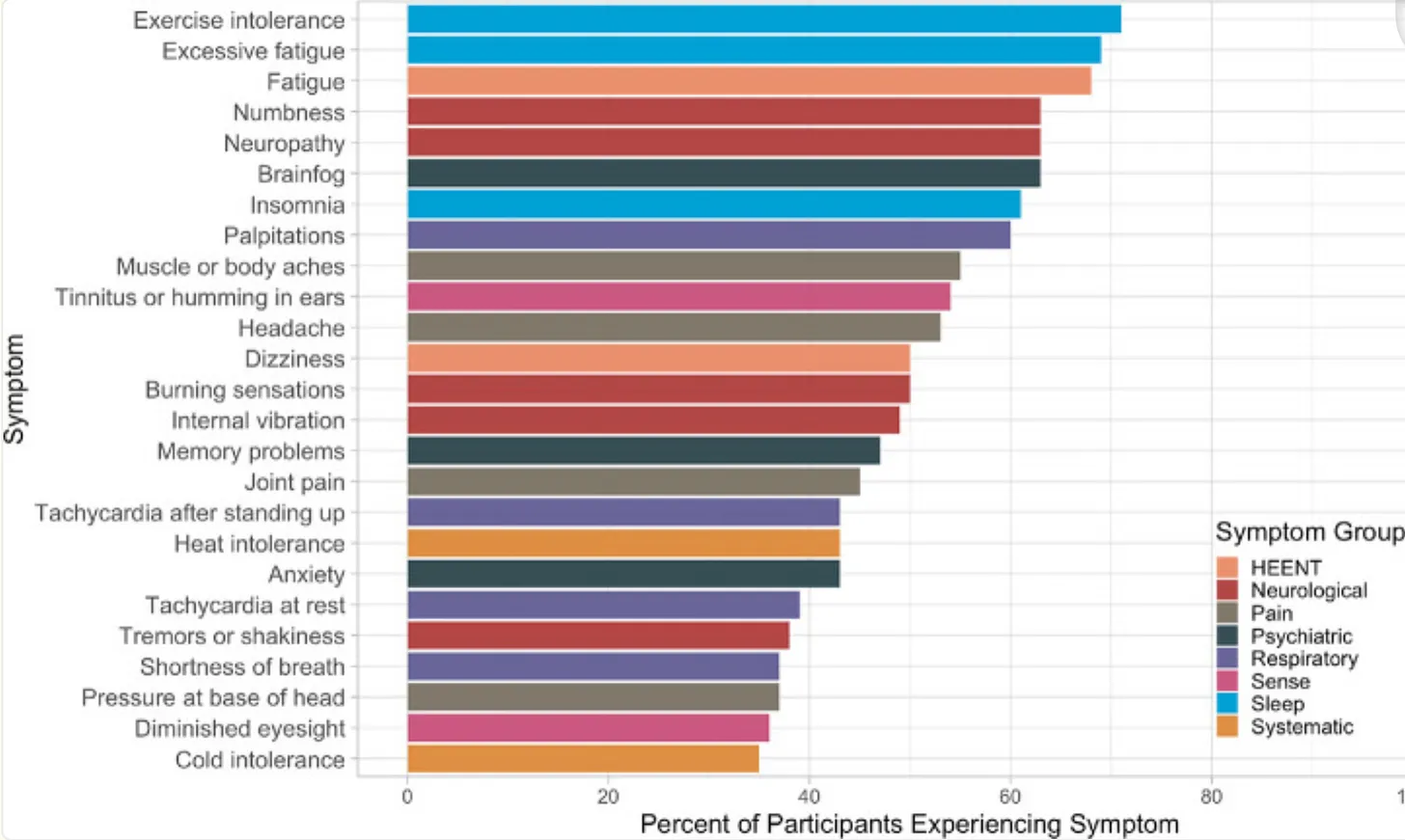
Prior to that meeting, preliminary data had been published a 2023 pre-print (which has still not been published) which detailed the common symptoms seen in the 241 participants with post vaccination syndrome (PVS), which match what we’ve seen in clinical practice:

To quote the study:

In conclusion, people reporting PVS after covid-19 vaccination in this study are highly symptomatic, have poor health status, and have tried many treatment strategies without success. As PVS is associated with considerable suffering, there is an urgent need to understand its mechanism to provide prevention, diagnosis, and treatment strategies.

Note: these results were discussed in more detail in this October 2023 online conference (e.g., the mast cell component of the illness). From watching this conference, my impression was that the investigators sincerely want to help the trial participants, but due to the unpleasant implications of their findings, are in a very challenging position (hence why their 2023 pre-print has still not been published).

Recently, Alex Berenson decided to use his platform to publicize what was disclosed at the recent meeting, at which point, I felt it was appropriate to share some of what we’d learned, and shortly after it became a trending topic on 𝕏. There I highlighted that:

• There was a sustained drop in CD4 levels which the Yale group suspected could account for the sustained immune suppression following vaccination (e.g., AIDS is characterized by severe CD4 suppression). I do not know the average CD4 drop they saw, but one participant in the trial (who has extensive post vaccine symptoms) shared with me her labs which included:

• Study participants were found to have sustained vaccine spike protein in their blood (e.g., 700 days after vaccination), which led the researchers to suspect the vaccine was integrating into the genome.

Note: while there are no commercially available spike protein tests (instead we have to test the antibody levels), research institutions like Yale (and the studies I cited above) have access to tests for free spike protein. Fortunately, after years of work, a commercially available (and affordable) blood spike protein test appears to be just around the corner.

All of this briefly means:

• There is objective proof that long vax is a real syndrome. Unfortunately, given the pace at which science works, it will likely be a few more years before it is formally acknowledged (which will likely dovetail with new pharmaceuticals to treat it entering the market and all remaining interest in the COVID vaccines disappearing). However, given that Trump promoted these vaccines (and has been unwilling to distance himself from them), I could see left-wing institutions like Yale accelerating their publication timeline so that this becomes widely publicized throughout his presidency.

• The persistence of spike protein in the body indicates that the 2022 Stanford study would have found positive results if it had tested patients more than two months post vaccination and that the spike protein antibody titers are indicative of spike protein persisting within the body.

Note: I recently discussed this topic with Dr. Malone (who I consider to be the most knowledgeable people in this area). We are both of the opinion that while genomic integration may play a role in spike protein persistence, the more probable explanation is simply that the body cannot break down the mRNA (and possibly the spike proteins) due to how it was modified. Presently, the data does not exist to quantify the scale of spike protein genomic integration, but with what is currently known (which could change as more data becomes available) cellular production of vaccine mRNA is most likely not responsible for the majority of the free spike protein found in the vaccine injured individuals.

Conclusion

Throughout my life, as I’ve come to feel that because of the bad trade-offs inherent to many policies or technologies, those behind them (particularly the government) will take an approach akin to trying to pound a square peg through a round hole (as government always defaults to utilizing the force at its disposal to solve the problems it encounters). In contrast, whenever I encounter situations where there really does not seem to be a good way to balance the trade-offs, I take that as a sign I need to consider a completely different approach rather than forcing the one I’ve committed to into working.

With COVID for example, I realized near the start that it would be an exercise in futility to address it with a vaccine—a truth much of the world has now had its eyes opened to. Instead, it was my assessment from the start that the best option would be to quickly develop viable treatments for the illness that could prevent severe complications from it and then allow infected individuals to recover with a strong immunity to the disease (and as we’ve now seen, natural immunity is vastly superior to vaccine immunity for COVID-19).

Unfortunately, rather than heed that approach, our medical apparatus decided to do everything it possibly could to push the vaccine upon us, while simultaneously doing all they could to bury the myriad of effective off-patent treatments developed for COVID-19.

Since the pathway Bill Gates put into place for lucrative accelerated approvals is still in place, I believe this highlights how important it is for us to actually understand how these technologies work and the trade-offs involved with them (which are never disclosed). In turn, it is my sincere belief that if the public had known part of what I presented here, they likely would have never taken the COVID vaccines. Similarly, as I’ve tried to illustrate here, contamination and poor production is a systemic problem with vaccines, and were robust independent testing to be conducted (so people actually knew what was in the vaccines they were taking), the demand for them would likely disappear until the industry was forced to clean up its act.

Overall, it is my belief that the most effective way to stop these unsafe products is to simply have enough people boycott them that they become financially unsustainable (and due to the new era of information diffusion we are walking into thanks to platforms like 𝕏, it’s actually possible). The FDA and CDC have lost an immense amount of trust because of how flagrantly they lied to the public, and have thus far refused to take any accountability for their actions—something that will likely change once financial pressures (e.g., people no longer buying the drugs rubber-stamped by the FDA) force the agency to make genuine amends for its conduct throughout the pandemic.

While COVID-19 was a profound tragedy, because of it we now have an extraordinary opportunity to fix this continually proliferating corruption, and I sincerely thank each of you who has helped to make this moment possible.

An updated index of all the articles published in the Forgotten Side of Medicine (including the DMSO ones) can be viewed here. Additionally, to learn how other readers have benefitted from this publication and the community it has created, their feedback can be viewed here.

The FDA’s War on America’s Health


Reproduced from original article:
https://articles.mercola.com/sites/articles/archive/2024/12/20/fda-war-on-americas-health.aspx


Analysis by A Midwestern Doctor     
December 20, 2024

fda war on americas health

STORY AT-A-GLANCE

  • The U.S. Food and Drug Administration was originally created in 1906 to protect public safety, but food industry lobbyists gradually gained influence and forced out its first leader Harvey Wiley, who had fought against harmful food additives
  • Under the FDA’s “Generally Recognized as Safe” (GRAS) designation, many potentially harmful food additives have been allowed into the food supply, with nearly 99% of new food chemicals since 2000 exploiting this loophole
  • The FDA has consistently opposed natural therapies like DMSO (a chemical shown to help with pain, neurological conditions, and injuries), raw milk, and certain stem cell treatments, while pushing potentially dangerous pharmaceutical alternatives
  • Historical FDA vaccine scandals include the 1955 polio vaccine contaminated with SV40 virus, the 1976 swine flu vaccine that caused Guillain-Barré syndrome, and Gulf War Syndrome linked to mandated experimental vaccines. Recent controversial FDA approvals include SSRI antidepressants despite known suicide risks, Alzheimer’s drugs with dangerous side effects, and Ozempic for weight loss without sufficient long-term safety data
  • Proposed reforms include separating approval tracks for conventional and alternative medicines, implementing stronger conflict of interest laws, making trial data public, and creating better mechanisms to revoke approvals of harmful drugs

For most of my life, I’ve observed the FDA belligerently suppress natural treatments and any unorthodox therapy which threatens the medical monopoly while simultaneously railroading through a variety of unsafe and ineffective drugs regardless of how much public protest the agency meets. Consider this 2004 Senate testimony by the FDA scientist who got Vioxx banned that accurately described exactly what would come to pass with the COVID vaccines two decades later:

As such, I do not hold the FDA in a positive light, especially given that during COVID-19, I (like many others) spent hundreds of hours trying to get the agency to allow the limited use of off-patent therapeutics for COVID-19 — all of which ultimately went nowhere due to the unjustifiable roadblocks the agency kept putting up.

Over the past year, especially since Trump’s election, I’ve received many questions about FDA reform. To address the issue properly, I’ve carefully examined both sides.

In medicine, “sensitivity” refers to a test’s ability to correctly identify those who have a condition (e.g., detecting an infection), while “specificity” measures how well the test avoids false positives (i.e., correctly identifying those who don’t have the condition). The challenge is that improving one often reduces the other.

For example, increasing the PCR cycle threshold in COVID tests made it more likely to detect infections (higher sensitivity), but also increased false positives (lower specificity). This trade-off leads to problems, like breast cancer screenings, where high sensitivity can result in unnecessary “treatments” for women who don’t actually have cancer.1

The FDA faces a similar challenge: it must prevent harmful foods and drugs from reaching the market while ensuring useful products aren’t blocked. Though this seems straightforward, it’s incredibly difficult, and the FDA has often failed at both, even with leadership dedicated to public health.2

Crime Against the Food Law

In the late 1800s, food producers were selling adulterated products, and pharmaceutical companies peddled medicines with secret ingredients like opium and alcohol. Public outrage grew, especially after exposés like Upton Sinclair’s The Jungle,3 which helped spark the 1906 Pure Food and Drug Act.4 This law gave the Bureau of Chemistry the power to ensure accurate labeling and prevent harmful additives in food.

The director of the Bureau of Chemistry (and thus the first head of the FDA), Harvey Wiley5 conducted tests on food additives, proving they made healthy volunteers sick. While the public and many scientists supported his findings, the food industry fought back with powerful lobbyists and legal tactics.

Note: The additives Wiley scrutinized were boric acid and borax, salicylic acid (aspirin) and salicylates, benzoic acid and benzoates, sulfur dioxide and sulfites, formaldehyde, sulfate of copper (used to green produce), and saltpeter (nitrates).

Gradually, the food industry hijacked the presidency, and in 1912, Wiley resigned, realizing he could achieve more for America’s health as a private citizen than within the government.

Wiley’s book “The History of a Crime Against the Food Law”6 details much of the same abhorrent industry tactics we see happening now. For example, a series of investigative reports7 have recently shown that the processed food industry’s lobbyists are now working fervently behind the scenes to block RFK’s nomination and ability to Make America Healthy Again.

Those tactics also highlight a key point Wiley made — the only way to create change in this industry is to coax the public at large to demand it, as the moment you rely upon the members of the government to fix it, lobbyists will crush those efforts.

Generally Recognized as “Safe”

Many food additives are “generally recognized as safe” (GRAS), meaning they’re widely used without regulation. Wiley faced two major issues: food industry counterfeiting and harmful additives. The industry often faked products to cut costs, like selling grain alcohol as whiskey or using polluted waters to enlarge oysters.

Despite evidence of harm, the food industry claimed these additives were essential for production, even though competitors showed higher-quality products could be made without them. Wiley also warned that chronic exposure to additives could cause long-term health issues, such as organ damage and aging.

Sadly, his concerns were ignored as industry influence grew and he was unable to ban them. As a result, these “safe” additives have contributed to widespread chronic illness in society.

Note: Those additives included sodium benzoate,8 sulfur dioxide, alum (potassium aluminum sulfate), sulfur dioxide, saccharin, modified corn sugars, saccharin, and nitrogen bleached flour — many of which were linked to cancer.9 Sadly, since 2000, nearly 99% of new food chemicals added to the food supply chain have exploited the GRAS loophole.10

I believe the widespread use of aluminum in processed foods is particularly detrimental (due to it greatly impairing the physiologic zeta potential and causing micro-clotting throughout the body), and provides a key explanation for why you often see certain rapid improvements in individuals once they stop eating processed foods.

Save This Article for Later – Get the PDF Now

Download PDF

The Kefauver-Harris Amendment

In the years that followed Wiley’s departure, the handicapping of the FDA continued. As such, the FDA agent assigned to the morning sickness drug thalidomide could only stall but not reject it — a tactic that prevented catastrophic birth defects across America. A 1962 amendment was then passed, giving the FDA the power to block unsafe drugs.

This law11 gave the FDA excessive power, slowing drug approval and causing mismanagement. It also required “well-controlled” trials for drug approval, which the FDA defined as expensive double-blind randomized controlled trials (RCTs). This:

  • Elevated RCTs, making drug approval a “pay-to-play” system, with approval costs soaring to 0.98 to 4.54 billion.12,13
  • Created bias, as RCTs cost so much they inevitably produce results in favor of their sponsor (which often outweigh any benefit of their expensive “controlled” design).
  • Ignored smaller, effective observational trials, which could yield the same results without the high costs (proven by a 2014 Cochrane Review).14
  • Stifled innovative therapies, as unorthodox treatments lacking costly RCTs were dismissed. As a result, medical innovation in the U.S. slowed, with scientists financially pressured to avoid challenging existing paradigms, leading to fewer groundbreaking discoveries despite advancing technology.
disruptive science dwindles

Because the FDA had rapidly expanded in numerous directions it was not prepared for, it subsequently frequently failed to fulfill its primary responsibilities (e.g., taking something harmful off the market), and it simultaneously took things away Americans actually wanted.

This in turn led to numerous committees investigating the FDA (e.g., Commissioner Ley’s Kinslow report of his agency’s serious shortcomings15) and key officials with integrity like Ley being kicked out,16 all of which were encapsulated a series of scathing articles that were published by the New York Times in 1977.17

In my eyes, the most important thing about this period of FDA reforms was that the FDA was the most complained about agency in the government. Congress made numerous attempts to fix it (as did ethical FDA officials) — but nothing was ever solved.

The DMSO Saga

Over the last three months, I’ve begun exploring a remarkable forgotten side of medicine — DMSO. This simple and freely available natural chemical is incredibly effective at treating a variety of (often “incurable”) conditions, including many that are otherwise impossible to treat including:

Strokes, paralysis, a wide range of neurological disorders (e.g., Down Syndrome and dementia) and many circulatory disorders including Raynaud’s, varicose veins, hemorrhoids (discussed here).
Chronic pain (e.g., from a bad disc, bursitis, arthritis or complex regional pain syndrome) and a wide range of tissue injuries including sprains, concussions, burns, surgical incisions, spinal cord injuries (discussed here).
A wide range of autoimmune, protein and contractile disorders such as scleroderma, amyloidosis, and interstitial cystitis (discussed here).
A variety of head conditions, such as tinnitus, vision loss, dental problems, and sinusitis (discussed here).
A wide range of internal organ diseases such as pancreatitis, infertility, and liver cirrhosis (discussed here).
A wide range of skin conditions including acne, herpes, hair loss, varicose veins (discussed here).

Likewise, since publicizing this research, I’ve received over a thousand reports from readers who then took it and had almost unbelievable results that precisely match what many reported in the 1960s and 1970s.

This all raises a simple question. How is it that no one knows about DMSO or that an agent that could dramatically reduce the need for opioids18 or prevent millions with stroke and spinal cord injury from having a life of disability19 never saw the light of day?

As DMSO rapidly spread across America in the 1960s, the FDA reversed its initial positive stance, declaring DMSO dangerous without evidence. This move aimed to avoid processing a flood of new drug applications, protect the status quo and then justify the FDA’s newfound police powers.

Despite extensive safety studies showing DMSO posed no risk to humans,20 for decades, the FDA continued to demonize it, claiming a lack of evidence for efficacy21 (as DMSO’s characteristic effects make blinded trials with it impossible).

Because of this, DMSO only became available decades later after the public got fed up with the FDA targeting natural medicines and the 1994 Dietary Supplement Health and Education Act22 was enacted (which removed the FDA’s ability to regulate natural medicines).

The FDA’s War Against Natural Medicine

Shortly before the election, RFK Jr. gave what I considered to be one of the most important statements in the entire campaign:

rfk jr tweet

This tweet23 touched upon the fact that for decades the American Medical Association has done everything it can to remove life-changing natural therapies from the market that compete with the medical monopoly (e.g., ultraviolet blood irradiation and alternative cancer cures) and the FDA has followed in their footsteps. For example:

GHB — In the 1990s, a life-changing natural sleep aid spread across America that safely cured insomnia — so the FDA banned it. In contrast, sleeping pills block restorative sleep (which is critical for health) and make you 2 to 5X more likely to die.
Psychedelic therapy — MDMA-assisted psychotherapy is the only existing effective treatment for veterans with PTSD, but the FDA has blocked its approval despite compelling (“uncontrolled”) clinical trials.24 Veterans hence often seek treatment abroad due to FDA restrictions.
Chelation therapy — EDTA chelation therapy (especially a low doses25) is effective for cardiovascular health, but the FDA has consistently targeted it despite the NIH reluctantly proving it worked.26
Umbilical cord blood stem cells — FDA regulations under Biden made it difficult to offer this life-changing therapy and shut down the companies who provided it.
Sunlight and health — The dermatology industry has deceptively demonized sunlight as a cause of deadly skin cancers, overlooking its importance for overall health and cancer prevention, with studies showing those who avoid sunlight are 60% to 130% more likely to die.27
Raw milk — The FDA has targeted raw milk sellers, despite growing demand and evidence that pasteurization destroys critical nutrients and creates allergens.

Note: Pasteurizing milk also makes it go from a zeta potential enhancing substance to one that impairs it28 (causing congestion throughout the body).

Infant formula and seed oils — The Infant Formula Act of 1980 mandates formulas include problematic seed oils, which may contribute to childhood obesity, as they impair metabolism and promote rapid weight gain.29

Vaccine Coverups

Many have been horrified to learn that the FDA and CDC systematically ignored every possible sign the COVID vaccines were dangerous as they pushed it on more and more people (e.g., recently leaked recordings show how stubbornly the head of FDA’s vaccine division refused to acknowledge any of the evidence brought forward by a group of permanently injured vaccine recipients).

This severe betrayal of trust from our authorities thus made many ask, “How could this have happened?” In truth, this did not come out of nowhere. Rather it was simply the subsequent escalation of a longstanding tendency by the government to push vaccines they knew were unsafe and ineffective to market.30

Vaccine coverups and failures by the FDA and CDC

Historical vaccine disasters — Many vaccine-related issues have been ignored or covered up by health authorities, including many deadly “hot lot” incidents.
Polio vaccine issues — In the 1950s, defective rushed polio vaccine contained live polio viruses and caused cases of paralysis. Further, it was later discovered that the vaccine contained SV40,31 a cancer-causing virus, which was also not disclosed to the public. Around 40 to 98 million Americans were exposed to SV40, leading to a massive wave of cancer cases.32

malignant neoplasm deaths

Note: To produce the emergency COVID vaccines at scale, a novel manufacturing process was used, which caused them to be contaminated with dangerous DNA-altering bacterial plasmids33 that contained part of the SV40 virus.

Influenza vaccine failures — In 1945, a government scientist discovered that early flu vaccines were ineffective and unsafe. Despite this, the scientist faced retaliation and the vaccines were released. This led to a 1972 Senate hearing that removed 32 dubious vaccines from the market.
Swine flu vaccine disaster (1976) — The swine flu vaccine, released despite evidence showing the flu posed no risk, caused hundreds of cases of Guillain–Barré syndrome, paralysis, and deaths. Like the Polio vaccines, the FDA was warned by its own scientists these vaccines were not safe but nonetheless pushed them to market.

However it occurred in an era when 60 Minutes was willing to do a segment on the disaster (which has numerous remarkable parallels to what happened during COVID-19).

Gulf War Syndrome — During the Gulf War, the FDA waived the protections soldiers had from experimental drugs and U.S. soldiers were given many,34 including a disastrous anthrax vaccine35 (which due to its rushed “emergency” production was contaminated). A wave of severe chronic illness (Gulf War Syndrome) followed, affecting 250,000 veterans (discussed further here). Despite this, the vaccine remained mandated for decades until a court overturned it in 2004.
HPV vaccine controversy — The lucrative HPV vaccine, was approved by the FDA despite red flags throughout the clinical trials (e.g., high rates of autoimmunity, death, and it causing cervical cancer — discussed further here). Once it hit the market, a tsunami of injuries occurred, yet the FDA and CDC continued to relentlessly defend and promote the vaccine.

Other disastrous drug approvals

SSRI antidepressants — The FDA approved SSRIs like Prozac despite poor evidence for their effectiveness36 and known severe side effects including suicidal tendencies, emotional numbness, violent behavior and mass shootings. These risks were concealed from the public, despite extensive complaints and lawsuits later showing those dangers were detected in the trials.37
Alzheimer’s drugs — A new and misguided class of Alzheimer’s drugs,38 despite failing to show efficacy and causing dangerous side effects like brain swelling and bleeding in 40% of participants,39 was approved by the FDA after bypassing an advisory committee’s negative vote. The agency’s manipulation of the approval process raised red flags, leading to widespread scrutiny.40
Ozempic and weight loss drugs — The FDA also approved weight loss drugs like Ozempic without sufficient evidence, promoting them aggressively despite concerns over long-term safety and effectiveness. The drug’s promotion has led to it being widely marketed, even for use in children.

In summary, the FDA has an established history of approving unsafe and ineffective vaccines and drugs, often suppressing evidence and protecting corporate interests over public safety.

Conclusion

At this point, I’ve seen a variety of proposals put forward to fix the FDA, which alternate between reforming the agency and scrapping it entirely. In my eyes, the core dilemmas are:

1. Inadequate resources — Effectively regulating foods and drugs in America is a gargantuan task that exceeds the scope of what the FDA can do.

2. Corruption and conflicts of interest — The FDA often defers to pharmaceutical companies for drug safety evaluations, leading to a pay-to-play system where approval is influenced by financial contributions rather than scientific integrity.

3. Lack of accountability — Once a drug is approved, the FDA rarely revokes approval, even when evidence of harm emerges.

4. Selective prosecution — The FDA targets natural medicine because they lack the resources to fight back like pharmaceutical companies, creating a (risk-free) facade of protecting the public.

Proposed solutions for restructuring the FDA include:

1. Conflict of interest laws — Legislation that retroactively nullifies votes or decisions made by regulators or panel members with current or future financial ties to pharmaceutical companies.41

2. Separate approval tracks — Create two approval systems: one for conventional drugs (focusing only on safety) and another for alternative therapies with proven safety42 but questionable efficacy.

3. Market-driven efficacy — Allow market demand to determine a drug’s efficacy rather than relying solely on FDA approval, as consumers often have better insight into what works.

4. Public involvement — Involve the public and AI systems in reviewing large (anonymized) patient datasets to help identify (frequently overlooked) red flags.

5. Transparent data access — Make drug trial data publicly available to expose fraudulent or incomplete data, (e.g., the COVID vaccine trials were rife with fraud43).

6. Revocation of drug approvals — Implement mechanisms to revoke approval for unsafe drugs, including allowing state-level bans and empowering courts to remove harmful drugs from the market.

Previously, implementing ideas like these was impossible, but now that platforms like Twitter (𝕏) have broken the mass media’s stranglehold on democracy, I believe it can happen. However, as Wiley presciently warned, that can only happen if the public becomes actively involved — something the MAHA movement (and each of you) now makes possible!

Author’s note: This is an abridged version of an article about the FDA’s unconscionable war against DMSO (which set the agency’s behavior for decades to come), an article about the FDA’s past vaccine disasters and a longer article which goes into greater detail on the points mentioned here along with other promising therapies the FDA has blacklisted (which can be read here).

A Note from Dr. Mercola About the Author

A Midwestern Doctor (AMD) is a board-certified physician from the Midwest and a longtime reader of Mercola.com. I appreciate AMD’s exceptional insight on a wide range of topics and am grateful to share it. I also respect AMD’s desire to remain anonymous since AMD is still on the front lines treating patients. To find more of AMD’s work, be sure to check out The Forgotten Side of Medicine on Substack.

– Sources and References

Pfizer Failed to Disclose Deaths of Two Women in COVID Vaccine Clinical Trials

© December 13, 2024 Children’s Health Defense, Inc. This work is reproduced and distributed with the permission of Children’s Health Defense, Inc.
Want to learn more from Children’s Health Defense?
Sign up for free news and updates from Robert F. Kennedy, Jr. and the Children’s Health Defense.
Your donation will help to support us in our efforts.
Reproduced from original article:
https://childrenshealthdefense.org/defender/pfizer-failed-disclose-two-deaths-covid-vaccine-clinical-trials

A researcher who analyzed FDA documents related to the emergency use authorization of Pfizer’s COVID-19 vaccine is demanding the autopsy report on a Kansas woman who died of cardiac arrest 41 days after receiving her second dose of the vaccine. Pfizer took 37 days, instead of the required 24 hours, to report the death.

pfizer covid vaccine and heart

Pfizer-BioNTech did not disclose the deaths of two vaccinated participants in its COVID-19 vaccine clinical trials, according to a team of Daily Clout researchers who analyzed documents related to the Pfizer clinical trials.The deaths occurred before the U.S. Food and Drug Administration (FDA) granted emergency use authorization (EUA) for the vaccine in December 2020. However, it wasn’t until September 2023, nearly three years later, that the FDA publicly released documents revealing the deaths of a 63-year-old Kansas woman and a 58-year-old Georgia woman who participated in the trials.

The revelations prompted Dr. Jeyanthi Kunadhasan — an Australian anesthesiologist and perioperative physician and one of the researchers analyzing the Pfizer documents on behalf of Daily Clout — to write to Kansas Attorney General Kris Kobach, requesting his office investigate the death of the 63-year-old Kansas woman.

“If the additional two deaths had been disclosed at the time of the EUA, it would have shown that the BNT162b2 mRNA COVID vaccine intervention provided no reduction in deaths,” Kunadhasan wrote in her letter.

In June, Kobach sued Pfizer, alleging the company misled the public by marketing its COVID-19 vaccine as “safe and effective” while concealing known risks — including myocarditis and pericarditis, failed pregnancies and deaths — and critical data on limited effectiveness.

In 2022, a federal court ordered the FDA to release the approximately 1.2 million pages of documents pertaining to the clinical trials for the Pfizer-BioNTech COVID-19 vaccine, after rejecting the FDA’s request for 75 years to release the records.

The documents Kunadhasan analyzed revealed that Pfizer had the opportunity to disclose the deaths before the Dec. 10, 2020, meeting of the FDA’s Vaccines and Related Biological Products Advisory Committee (VRBPAC) — but did not do so.

Pfizer also did not disclose the deaths — both classified in the documents as “sudden cardiac death” unrelated to the victims’ vaccination — in a December 2020 New England Journal of Medicine paper touting the “safety and efficacy” of the Pfizer-BioNTech vaccine.

Kunadhasan told The Defender:

“The death highlighted in Kansas is significant as it occurred well within the reporting period considered for the EUA, and as my letter shows was not disclosed. There was every opportunity to disclose this death at the VRBPAC meeting.

“This death even had an autopsy, which I show was probably available before the VRBPAC meeting, and again was not disclosed.”

According to The Sentinel, “The fact that both participants died of heart attacks becomes more important when other studies showed risks of myocarditis and pericarditis — particularly after a second shot and particularly in young men under 25, but among other patients as well.”

Brian Hooker, Ph.D., chief scientific officer for Children’s Health Defense (CHD), told The Defender the actions of Pfizer and the FDA are “duplicitous at best.” He said:

“All death data for clinical trials needed not only to be made available to the FDA but also to the public. Otherwise, informed consent is completely missing, regardless of whether the product is EUA or [fully] approved.

“It is also particularly devious that Pfizer lied about a reduction in deaths in the vaccination arm when, with these data, the opposite was true.”

Naomi Wolf, Ph.D., CEO of Daily Clout and author of “The Pfizer Papers: Pfizer’s Crimes Against Humanity,” told The Defender the documents show that the “FDA covered up the unlawfully concealed deaths” of the trial participants and that these records “may well reveal a direct connection to the mRNA injection.”

“The details that Dr. Kunadhasan and her colleagues revealed about the death of this poor woman could theoretically allow Kobach to demand the autopsy reports and interview witnesses with information about her passing,” Wolf said.

Dr. Chris Flowers, a retired radiologist and member of the Daily Clout team that examined the Pfizer documents, told The Sentinel that the two undisclosed deaths should have been enough to halt the clinical trial.

“If you put it in context, yes, there’s a small number of deaths,” Flowers said. “Normally, the FDA calls a stop to those clinical trials until further investigation is done. And in many cases, [this] is sort of the death knell of that clinical trial.”

Noting that these deaths “would have at least made it more difficult” for the FDA to grant the Pfizer-BioNTech vaccine an EUA, Hooker said that “to release this information over two years later, after the obvious damage has been done, is criminal. Pfizer should be held accountable.”

Wolf said that while she’s “not an attorney, fraud, negligence and manslaughter come to mind.”

“This was one of the most important clinical trials in modern medical history,” Karl Jablonowski, Ph.D., senior research scientist at CHD, told The Defender. “The people in political power chose to ‘trust the science,’ and they were wrong to do so.”

Undisclosed deaths may have led to FDA granting EUA ‘on incorrect premises’

In her letter, Kunadhasan said she wants to draw attention to “an undisclosed participant death from Kansas that occurred in the BNT162b2-vaccinated arm of Pfizer’s clinical trial.”

Kunadhasan pointed out that Daily Clout published a report about the two undisclosed deaths in October.

According to the documents Kunadhasan cited, the death of the Kansas woman occurred “well before the data cutoff date of November 14, 2020” and nearly a month before the December 2020 VRBPAC meeting.

She said there was a 37-day delay in reporting the results of the Kansas woman’s autopsy, which revealed “sudden cardiac death,” Kunadhasan noted.

“Notably, the omission of the deaths and autopsy report from the vaccinated arm of the study at this critical juncture of EUA issuance raises substantial concerns about the overall safety reporting of Pfizer’s clinical trial,” Kunadhasan stated in the letter.

Kunadhasan also told the attorney general that Pfizer’s clinical trial protocol required that serious adverse events be reported: “immediately upon awareness, and under no circumstances to exceed 24 hours … Pfizer-BioNTech’s own clinical trial protocol indicated that it should have been disclosed.”

Referring to the New England Journal of Medicine paper, Kunadhasan noted that the paper disclosed only six deaths — two among vaccinated clinical trial participants and four among participants in the placebo group.

FDA documents released in September 2023, however, “included information showing that Pfizer-BioNTech was, in fact, informed of two additional deaths in the BNT162b2 arm of the trial well before the EUA data cutoff and that those deaths were not disclosed to the FDA,” Kunadhasan wrote.

The documents showed that the 63-year-old Kansas woman signed up for the Pfizer-BioNTech trial at the Alliance for Multispecialty Research LLC, in Newton, Kansas. She received the two doses of the vaccine on Aug. 18, 2020, and Sept. 8, 2020, and “had appropriate follow-up tests” done on Oct. 7, 2020.

“There is no documentation of any untoward clinical events during these visits,” Kunadhasan wrote. But on Oct. 19, 2020, 41 days after her second dose and less than two weeks after her follow-up visit, the woman died. A subsequent autopsy found the cause of death to be “sudden cardiac death,” not related to the vaccine.

“It is extremely important to know … Why this death (which occurred well within the reporting period) and the autopsy results were not disclosed publicly at the December 10th, 2020, VRBPAC meeting,” Kunadhasan said in her letter.

The letter also highlighted the death of the 58-year-old Georgia woman, who received her two doses of the Pfizer-BioNTech COVID-19 vaccine on Aug. 4, 2020, and Aug. 27, 2020. She died in her sleep on Nov. 7, 2020. Kunadhasan noted that her death was “not added to the data for 26 days.”

Kunadhasan told The Defender these discrepancies prompted her letter to Kobach.

“As a doctor, the non-disclosure of a death and autopsy of a clinical trial participant is a profound betrayal of medical ethics. I hope Kobach pays attention to this, and there can be accountability for this Kansan,” Kunadhasan said.

“Kansans should contact Kobach for action in regards to this letter and other AGs should follow suit with investigating Pfizer’s crimes in their states,” Wolf said.

Kobach’s office did not respond to a request from The Defender for comment as of press time.

Prominent cardiologist joins calls for suspension of mRNA COVID shots

Kunadhasan’s letter comes amid growing calls for a moratorium — or an outright ban — on the mRNA COVID-19 shots, and an independent investigation into their safety.

In an 11-page letter to U.K. regulators and health officials last week, cardiologist Dr. Aseem Malhotra joined these calls.

“There is overwhelming evidence that calls for the suspension of the COVID-19 mRNA vaccine (which, by technicality, is a genetic therapy) because of serious harms,” Malhotra wrote in the letter.

The letter was addressed to Charley Massey, CEO of the U.K.’s General Medical Council; Wes Streeting, the U.K.’s secretary of state for Health; Sir Christopher Whitty, the U.K.’s chief medical officer; and Lord Patrick Valance, the U.K.’s minister of state for Science Research and Innovation.

Malhotra wrote that these officials’ decision “to not support a pause and independent investigation of the safety of the vaccines is now untenable given accumulating evidence of harm and corrupt practices.”

The letter also referred to The Hope Accord — a petition Malhotra drafted earlier this year signed by over 64,000 people, including 1,900 medical doctors and over 2,000 scientists and academics.

The petition calls for the suspension of the mRNA COVID-19 vaccines, “comprehensive re-evaluation of the safety and efficacy of all COVID-19 vaccine products,” “immediate recognition and support for the vaccine-injured,” “restoration of ethical principles” and “addressing the root causes of our current predicament.”

Speaking on medical commentator John Campbell, Ph.D.’s YouTube show on Dec. 11, Malhotra said evidence supporting withdrawal of the vaccines is “overwhelming.”

Explaining why he wrote to U.K. officials, Malhotra told Campbell, “Sunlight is a very powerful disinfectant for malodorous health policy,” and said that there may be an explosion of people in the near future who are currently asymptomatic but who may develop vaccine-related conditions.

“We’ve got a lot of asymptomatic people in the population who I feel are at risk of heart attack, stroke and cancer. Until we get that addressed full on, more people are going to be harmed from a vaccine they took three years ago,” Malhotra said.

“My conscience will not allow me to stay quiet and just do this behind the scenes. As healthcare professionals, we need to address it because it’s not going away.”

“What we need to do is create almost a culture … where people aren’t afraid to admit that things have changed or they’ve got things wrong and they can change their mind,” Malhotra said.

Watch Campbell interview Malhotra here:

Honey & “Magic Seeds” Slashes COVID Death Rate by ~75%: Landmark Trial

© GreenMedInfo LLC. This work is reproduced and distributed with the permission of GreenMedInfo LLC.
Want to learn more from GreenMedInfo? Sign up for the newsletter here:
www.greenmedinfo.com/greenmed/newsletter
Reproduced from original article:
https://greenmedinfo.com/blog/honey-magic-seeds-slashes-covid-death-rate-75-landmark-trial2
Posted on: Thursday, October 31st 2024 at 7:00 am

Written By: Sayer Ji, Founder

A new study found a daily dose of healing honey and “magical” Nigella sativa seeds slashed COVID recovery time, hospital stays, and mortality rates by 4-fold versus placebo or ~75%.

Since the WHO declared COVID-19 a global pandemic in March 2020, the world has urgently needed safe, effective, accessible treatments beyond vaccines to combat the ongoing crisis.1 But most antiviral drug candidates have proven disappointing so far, with limited efficacies, concerning side effects, and prohibitive costs that restrict global access.2 

Due to this problem, researchers have increasingly probed traditional herbal remedies as safe, economical solutions against morbidity and mortality attributed to viral infections like COVID-19. Now, exciting new clinical findings from Pakistan suggest that age-old healing honey combined with the aspiring “magical seeds” of Nigella sativa — known traditionally as the “remedy for everything but death” — dramatically beat placebo at saving COVID lives.3

In this rigorous double-blinded, randomized, placebo-controlled trial, 313 COVID-positive adults with moderate or severe disease were provided either a daily mix of natural honey and Nigella sativa or an inactive placebo for 13 days along with standard care.4 The tested black cumin seeds contain thymoquinone, which has performed well on influenza patients in past studies.5 And honey boasts proven broad-spectrum antimicrobial action against respiratory viruses.6

The doses used in the study were:

  • Honey: 1 gm per kg body weight per day (e.g. a 150 lb person would consume 4.25 grams a day, or about 2/3rd a teaspoon worth of honey a day)
  • Nigella sativa seeds: 80 mg per kg body weight per day (e.g. a 150 lb person would consume 340 milligrams a day)

Compared to placebo, this sweet bee nectar and tiny “magic seed” combo revealed the following key clinical results:

  • Alleviation of COVID-19 symptoms occurred around 50% faster with honey + Nigella sativa versus placebo (4 days vs 7 days for moderate cases; 6 days vs 13 days for severe cases)
  • Viral clearance was around 4 days faster with honey + Nigella sativa versus placebo based on PCR tests becoming negative
  • In moderate cases, 64% resumed normal activities at day 6 with honey + Nigella sativa versus only 11% with placebo
  • In severe cases, 50% were discharged from the hospital at day 6 with honey + Nigella sativa versus only 3% with placebo
  • Mortality rate was 4 times lower with honey + Nigella sativa versus placebo in severe cases (4% vs 19%)
  • No adverse effects were observed with the honey + Nigella sativa combination

This landmark study demonstrates that while rushed mRNA jabs flounder with tremendous pitfalls, nature’s ancient gifts bring safer, cheaper and more effective relief to those suffering.

Even if a safe and effective vaccine existed for COVID-19, for logistcal and financial reasons they would likely still remain out of reach for much of the developing world. In light of this, honey and and Nigella sativa could save thousands more vulnerable lives if research like this was more widely known, competing as it does with pharmaceutical interests.7

Global health authorities should fast-track further gold-standard investigations into these traditional, cost-effective adjuvants against what has been largely billed as humanity’s greatest modern threat.8

When it comes to the supposed aim of international health authorities at defeating COVID-19, honey and “magic seeds” show ancient food-based healing traditions may still remain indispensable in preserving the health and well-being of our species, now, and long into the future.

Learn more about these ancient healing traditions increasingly validated by science by reading REGENERATE: Unlocking Your Body’s Radical Resilience with the New Biology here.

Learn more about the health benefits of Black Seed (Nigella Sativa) on our database on the subject here.

Learn about natural approaches to Coronavirus infection here.

IMPORTANT NOTE ON ‘GERM THEORY’ AND COVID-19: Discussion of COVID-19 and infectious disease often comes with a wide range of unexamined assumptions, including the presumed lethality of viral particles, or even that viruses per se exist as classically defined by virologists. This is not something that should go without discussion and debate, as the topic deserves a much deeper exploration than is presently being conducted by the mainstream media and conventional medical authorities. In order to rectify this conspicuous lacunae, Sayer Ji has presented an alternative perspective which calls into question conventional models of infectious disease and contagion attributed to viruses, replacing it with what he calls the Xenogen Hypothesis. Learn more by watching his two presentations on the topic. 1) Covid-19: is it really about a virus? And 2) A New Biophysical Paradigm: Viruses, Exosomes, & Infection with Sayer Ji.


References

1. World Health Organization. WHO Director-General’s opening remarks at the media briefing on COVID-19. Published March 11, 2020. Accessed February 26, 2023. https://www.who.int/director-general/speeches/detail/who-director-general-s-opening-remarks-at-the-media-briefing-on-covid-19—11-march-2020

2. Agarwal A, Mukherjee A, Kumar G, Chatterjee P, Bhatnagar T, Malhotra P. Convalescent plasma in the management of moderate COVID-19 in adults in India: open label phase II multicentre randomised controlled trial (PLACID Trial). BMJ. 2020;371:m3939. Published 2020 Oct 22. doi:10.1136/bmj.m3939

3. Ashraf S, Ashraf S, Ashraf M, et al. Efficacy of honey and Nigella sativa against COVID-19: A multi-center, randomized controlled trial. Phytother Res. 2023;37(1):337-345. doi:10.1002/ptr.7444  [download the full study pdf here]

4. Ashraf S, et al 2023.

5. Salem ML, Hossain MS. Protective effect of black seed oil from Nigella sativa against murine cytomegalovirus infection. Int J Immunopharmacol. 2000;22(9):729‐740. doi:10.1016/s0192-0561(00)00036-9

6. Woidtke S, Schüpfer G, Werner S, Haas J, Kramer M, Hagen R, Kleuser B, Bereswill S, Antiviral Activity of Honey Against Common Cold Viruses, Molecules 2021, 26(12), 3628, https://doi.org/10.3390/molecules26123628

7. Ashraf S, et al 2023.

8. Vaughan AM, Preston MD, L recent evolution of SARS-CoV-2 in humans was shaped by negative selection and antigenic drift, eLife 2021, 10, e65828, DOI: 10.7554/eLife.65828

Sayer Ji

Disclaimer: This article is not intended to provide medical advice, diagnosis or treatment. Views expressed here do not necessarily reflect those of GreenMedInfo or its staff.

The Most Devastating COVID Report So Far


Reproduced from original article:
https://articles.mercola.com/sites/articles/archive/2024/11/20/hhs-we-can-do-this-covid-campaign.aspx


Analysis by Dr. Joseph Mercola     
November 20, 2024

hhs we can do this covid campaign

STORY AT-A-GLANCE

  • A House committee report revealed the U.S. Department of Health and Human Services’ $900 million “We Can Do This” COVID campaign was flawed and claimed COVID shots prevented transmission despite FDA stating there was no such evidence
  • CDC’s shifting mask guidelines and reversals on recommendations damaged public trust, with changes appearing politically motivated rather than based on scientific evidence
  • The government aggressively promoted COVID shots for children despite low risk levels, using emotional manipulation and fear-based messaging through the Fors Marsh Group PR firm
  • Clinical trial studies showed significant bias in measuring COVID shot effectiveness, with case-counting window bias making ineffective shots appear 50% to 70% effective
  • Pfizer and Moderna vaccine trials revealed higher risks of serious adverse events than initially reported, with Pfizer showing 36% higher risk compared to placebo groups

The U.S. House of Representatives Energy and Commerce committee released an assessment of the U.S. Department of Health and Human Services’ (HHS) COVID-19 public health campaign, revealing it was fraught with miscalculations that set the stage for widespread public distrust.1

In December 2020, the U.S. Food and Drug Administration (FDA) granted Emergency Use Authorization (EUA) to the first COVID-19 shots, yet these authorizations clearly stated there was no evidence the shots prevented viral transmission. Despite this, the administration launched the “We Can Do This” Campaign, spending over $900 million to promote vaccine uptake and public health measures.

However, foundational issues plagued the campaign from the beginning. Past contracts and fiscal mismanagement within HHS raised red flags about the effectiveness and integrity of their public relations efforts. As the campaign aimed to shape public behavior around masking, social distancing and vaccination, the reliance on flawed Centers for Disease Control and Prevention (CDC) guidance undermined its credibility.

By allowing CDC recommendations to drive public messaging, the administration sowed confusion and mistrust. These early failures were not isolated incidents but part of a broader pattern of inconsistent and politically influenced public health strategies that ultimately eroded the very trust needed to effectively manage a public health crisis.

Shifting Mask Guidelines Undermined Public Trust

Initially, masks were deemed unnecessary for the general public, with prominent figures like Dr. Anthony Fauci advocating against their widespread use. However, by April 2020, the CDC had completely reversed its stance, recommending masks for everyone outside the home. This flip-flop was not just confusing but also seemed politically motivated, influenced by factors such as teachers’ unions pushing for prolonged school closures.2

The subsequent inconsistent messaging continued, with masks being recommended, then downplayed again as the shots rolled out. Each reversal rightfully fostered skepticism and resistance, while undermining the credibility of public health institutions. This erosion of trust was further exacerbated when breakthrough infections and variants like Delta emerged, proving that earlier mask guidance had been incorrect.

Overstating COVID-19 Shot Efficacy — A Critical Misstep

When COVID-19 shots were introduced, Americans were told to believe they were not only preventing illness but also halting the virus’ transmission. However, this narrative quickly unraveled, as there was no evidence that vaccines prevented transmission. Despite this, the CDC and the “We Can Do This” campaign promoted the idea that only vaccinated individuals could safely forego masks and social distancing.

This overstated efficacy became a significant issue as breakthrough infections began to rise, especially with the emergence of more transmissible variants like Delta. The administration’s insistence that vaccines stopped transmission contradicted the FDA’s original EUA terms and created a false sense of security.

When real-world data began to show that vaccinated individuals could still spread the virus, the CDC was forced to retract and revise its messaging, further damaging its credibility. This disconnect between official statements and emerging evidence betrayed the public’s trust.

Meanwhile, the report highlights how vaccine mandates became a contentious tool in the government’s strategy to control the pandemic.3 You saw federal, state and private employers enforcing COVID-19 shot requirements, often without clear, evidence-based justification. These shot mandates targeted millions, demonstrating the extent of overreach and coercion.

The resignation of top FDA officials over booster shot policies underscored the internal conflict and raised questions about the government’s motives. Even vaccine proponents like Dr. Paul Offit criticized the mandates as politically driven rather than grounded in solid public health needs. The mandates disproportionately affected younger populations who were already at lower risk of severe illness and represented an infringement on personal autonomy.

Save This Article for Later – Get the PDF Now

Download PDF

Targeting Children with Fearmongering and Misinformation

One of the most alarming aspects of the COVID-19 response was the aggressive push to vaccinate children, despite mounting evidence that COVID-19 posed minimal risk to this age group.4

The CDC and HHS launched extensive campaigns targeting parents, using emotionally charged messaging to persuade them to get COVID-19 injections for their young children. Ads featuring celebrity parents and medical professionals painted a dire picture of COVID-19’s impact on children, despite studies showing that severe illness and death in this demographic were exceedingly rare.5

By emphasizing the need for COVID-19 shots to keep schools open and protect community health, the government leveraged fear and misinformation to drive vaccine uptake. This approach not only misrepresented the actual risk but also disregarded the developmental and social impacts of prolonged masking and school closures on children.

Parents were left feeling manipulated, as the narrative suggested that vaccination was the only way to ensure their children’s safety, ignoring the broader context of low transmission and minimal severe outcomes in young populations, along with the unknown side effects of the experimental shots.

The Fors Marsh Group Was Hired to Orchestrate the Propaganda Campaign

Behind the scenes of the HHS’ public health messaging was the Fors Marsh Group (FMG), a PR firm contracted to manage the “We Can Do This” campaign. Engaging FMG, HHS aimed to craft a nationwide multimedia propaganda effort to shape public perception and behavior regarding COVID-19.6

FMG deployed a strategic mix of paid and earned media, leveraging influencers, celebrities and targeted advertisements to promote vaccination, mask-wearing and social distancing. This partnership raised significant concerns about the politicization of public health messaging. Past contracts with FMG had already been scrutinized for fiscal mismanagement, and this massive investment in a single campaign further highlighted conflicts of interest and inefficiencies.

FMG’s approach relied heavily on emotional manipulation and fearmongering, often overstating the risks of COVID-19 to justify stringent public health measures. By prioritizing persuasive messaging over transparent, evidence-based communication, FMG and HHS effectively prioritized political agendas over scientific integrity.

This collaboration not only amplified mixed messages but also deepened public distrust as the true motives behind the campaign became increasingly opaque. The use of a private PR firm to drive national health policies exemplified a troubling shift toward prioritizing image over substance, undermining the credibility of public health institutions tasked with presenting accurate information.

Data Manipulation Included Overcounting Deaths

The final blow to public trust came when the CDC admitted to overcounting COVID-19 deaths due to a faulty algorithm.7 This admission affected all age groups, including children, and exposed significant flaws in the data tracking system. The recalculation led to a 24% decrease in reported pediatric deaths, revealing that the initial numbers had been significantly inflated.

This revelation shattered any remaining credibility the CDC had, as it became clear that the pandemic response was built on inaccurate data. The CDC’s admission that 80% of reported errors exaggerated the severity of the COVID-19 situation further eroded trust. This manipulation of data undermined the entire public health narrative.

Overall, the report underscores a troubling pattern of inconsistent messaging, overstated claims and data mismanagement by key public health authorities during the COVID-19 pandemic.

Clinical Trial Bias Inflated COVID-19 Shot Effectiveness

Based on a study published in the Journal of Evaluation in Clinical Practice, case-counting window bias dramatically distorted COVID-19 shot effectiveness estimates.8 In randomized controlled trials (RCTs), both vaccine and placebo groups have synchronized case-counting windows, ensuring a fair comparison. However, in real-world observational studies, this window often applies only to the vaccinated group.

This asymmetry means that cases occurring shortly after vaccination in the unvaccinated group are counted, while similar cases in the vaccinated group are excluded. Consequently, an entirely ineffective vaccine could misleadingly appear to have substantial effectiveness — sometimes showing 50% to 70% efficacy when, in reality, the vaccine has zero effectiveness.9

This bias arises because the early post-vaccination period, when individuals are not yet fully protected, is treated differently between groups. Understanding this flaw is crucial for interpreting vaccine effectiveness accurately and recognizing that observational studies may overstate the true benefits of vaccination due to methodological inconsistencies.

The study also highlighted the impact of age bias on COVID-19 effectiveness estimates. In observational studies, vaccinated individuals are often older and may be less healthy than their unvaccinated counterparts because vaccines were prioritized for those at higher risk. This imbalance skews results, making vaccines appear more effective than they truly are.

The study also sheds light on background infection rate bias, which significantly misrepresents the true impact of vaccines. During periods when overall COVID-19 infection rates are declining, vaccinated individuals may appear to have lower infection rates simply because they received the injection during a peak period.

Conversely, if infection rates rise, unvaccinated individuals might show higher rates not necessarily due to lack of protection but because they were exposed during a surge. This temporal mismatch creates a misleading picture of COVID-19 shot effectiveness. For instance, a decline in cases might be attributed to vaccination when, in fact, it could be due to other factors like natural immunity.

COVID Shot Safety Overstated in Observational Studies

A separate study published in the Journal of Evaluation in Clinical Practice further revealed how adverse effect counting windows significantly distorted the perceived safety of COVID-19 shots in observational studies.10 This study highlights that methodological flaws, such as limited counting windows, lead to an underestimation of shot-related adverse events.

For instance, by excluding adverse effects occurring within the first two weeks post-shot, observational studies overlook critical data points, including severe reactions like anaphylaxis. This exclusion creates a skewed safety profile, making the shots appear safer than they actually are.

Moreover, the study points out that even when considering longer follow-up periods, the reliance on unsolicited adverse event reporting misses subtle yet significant health impacts. As a result, the true risk associated with vaccines, especially serious conditions like myocarditis, remains obscured. Myocarditis, an inflammation of the heart muscle, was linked to mRNA vaccines, especially in young males.

Within just three weeks post-vaccination, there was a noticeable uptick in myocarditis cases among this demographic. However, due to the limited adverse effect counting windows in both observational studies and clinical trials, many of these cases went unreported or were misclassified. Furthermore, rapid unblinding of trials compromises the ability to monitor long-term safety outcomes, leaving many important questions unanswered.

Excess Serious Adverse Events in Pfizer and Moderna Shot Trials

Research published in the journal Vaccine also uncovered alarming discrepancies in the safety profiles of Pfizer and Moderna mRNA COVID-19 shots.11 The analysis revealed that both shots were associated with an excess risk of serious adverse events of special interest (AESIs) compared to their placebo groups.

Specifically, Pfizer’s shot showed a 36% higher risk of serious adverse events, translating to 18 additional events per 10,000 vaccinated individuals. Moderna’s vaccine exhibited a 6% higher risk, equating to seven additional events per 10,000. When combined, the mRNA vaccines presented a 16% higher risk of serious AESIs, with a risk difference of 13.2 per 10,000 vaccinated participants.

These findings are particularly concerning because they show the shots carry more serious risks than initially reported. There was also a stark contrast between its findings and the FDA’s official safety reviews. While the study identified a significant excess risk of serious adverse events in the Pfizer trial, the FDA concluded that serious adverse events were “balanced between treatment groups.”12

This discrepancy arises primarily from differences in data analysis methodologies. The FDA focused on the incidence of participants experiencing any serious adverse event, effectively masking the higher number of multiple adverse events in the shot group. In contrast, the study accounted for the total number of adverse events, revealing a more nuanced and concerning risk profile.

In short, the official narratives provided by regulatory bodies did not fully capture the true extent of shot-related risks.13

Government-Sponsored Disinformation Amplified COVID-19 Spread

Other research published in Social Science & Medicine unveiled the profound impact of government-sponsored disinformation on the severity of respiratory infection epidemics, including COVID-19.14 The research analyzed data from 149 countries between 2001 and 2020, revealing a significant positive association between disinformation campaigns and the incidence of respiratory infections.

Specifically, countries with higher levels of government-driven misinformation experienced more severe outbreaks of COVID-19. This correlation underscores how deliberate dissemination of false information seriously undermines public health efforts, leading to increased transmission rates and higher case numbers.

The study also highlights the detrimental effects of internet censorship on the reporting and management of respiratory infections. Governments that actively censor information limit the public’s access to accurate health data,15 worsening outcomes as occurred during the pandemic. As Dr. Robert Malone put it, “Both the background summary and the study findings are prophetic, and almost completely aligned with the Energy and Commerce committee report.”16

The Path Forward — Ensuring Transparency and Trust in Public Health

It’s evident that the COVID-19 public health campaign was fraught with hidden dangers and systemic challenges. In the aftermath of these revelations, the need to advocate for transparency, accountability and evidence-based policies is clear. Only by addressing these foundational issues will we ensure more effective responses in future health emergencies.

The lessons learned from these failures should drive a fundamental rethinking of how public health campaigns are managed and communicated, prioritizing scientific data over propaganda to better serve and protect the public.

Study Showing ‘High Likelihood’ of Link Between COVID Vaccines and Death Republished in Peer-reviewed Journal

© November 18, 2024 Children’s Health Defense, Inc. This work is reproduced and distributed with the permission of Children’s Health Defense, Inc.
Want to learn more from Children’s Health Defense?
Sign up for free news and updates from Robert F. Kennedy, Jr. and the Children’s Health Defense.
Your donation will help to support us in our efforts.
Reproduced from original article:
https://childrenshealthdefense.org/defender/covid-vaccine-death-autopsy-study-peer-reviewed-journal/

The largest COVID-19 vaccine autopsy study to date has been republished in a peer-reviewed journal after twice being censored. The study’s lead author said it provides “robust evidence” that the vaccines can cause death, meeting the FDA’s criteria for “an immediate market withdrawal.”

bySuzanne Burdick, Ph.D.
covid vaccines and increasing chart with word "death"

The largest COVID-19 vaccine autopsy study to date has been republished in a peer-reviewed journal — after twice being censored, according to Nicolas Hulscher, the paper’s lead author and an epidemiologist at the McCullough Foundation.

Science, Public Health Policy and the Law on Nov. 17 published the study, which had been previously withdrawn from Preprints with The Lancet and Forensic Science International.

Hulscher told The Defender the study’s republication signals a “pivotal victory for transparency and accountability in science.” It also marks “a significant setback” for actors in the biopharmaceutical complex and “their Academic Publishing Cartel,” Hulscher said.

Hulscher’s co-authors include Dr. Harvey Risch, Dr. Peter A. McCullough and Dr. William Makis.

Hulscher told The Defender the study provides “robust evidence that COVID-19 vaccines can cause death. This means that the FDA’s [U.S. Food and Drug Administration] criteria for a Class I recall have been fulfilled, warranting an immediate market withdrawal.”

The FDA defines a Class I product recall as “a situation in which there is a reasonable probability that the use of or exposure to a violative product will cause serious adverse health consequences or death.”

Risch, professor emeritus of epidemiology at the Yale School of Public Health, told The Defender that the COVID-19 vaccine spike protein “can stay around in some people and continue to do inflammatory damage in any site where it gets to through the bloodstream.”

In ‘striking act of censorship’ publishers withdraw study, shut down debate

The study’s publication in Science, Public Health Policy and the Law is the latest twist in an ongoing saga as the authors have tried to get their research out to the public and scientific community, Hulscher wrote on Substack.

The study results were first made public on July 5, 2023, as a preprint with The Lancet on SSRN, an open-access research platform.

However, Preprints with The Lancet removed the study from the server within 24 hours, posting a statement that the study’s conclusions were “not supported by the study methodology,” The Daily Sceptic reported.

McCullough told The Epoch Times that the study was experiencing “hundreds of reviews per minute” before its removal.

Preprint servers offer a place for the public to view scientific reports and papers while they undergo peer review, making scientific findings available immediately and for free and opening them up to broader public debate.

The authors subsequently posted on the Zenodo preprint server, while the review underwent peer review at Forensic Science International. It was downloaded over 130,000 times.

On June 21, 2024, after successful peer review, Forensic Science International published the study.

Within weeks, the study became the top trending research paper worldwide across all subject areas, according to the Observatory of International Research, Hulscher recalled.

“Unfortunately,” Hulscher wrote on Substack, “in a striking act of censorship, Elsevier and Forensic Science International withdrew the article on August 2nd, 2024 in flagrant violation of their own withdrawal policy and COPE guidelines.”

He said they “left no traces behind, completely wiping our paper from the webpage.”

Elsevier and Forensic Science International said that “members of the scientific community” — who remained anonymous, Hulscher pointed out — cited numerous concerns about the study, including inappropriate citation references, inappropriate methodological design and a lack of factual support for its conclusions.

The concerns were “unfounded,” Hulscher wrote. The study authors wrote a rebuttal defending their study and submitted a revised manuscript. However, Elsevier and Forensic Science International rejected the revised manuscript.

Hulscher noted that Elsevier and Forensic Science International “failed to follow the proper scientific discourse method of allowing debate in Letters to the Editor.” Instead, they shut down the possibility of debate by censoring the study.

“This type of academic censorship poses a serious threat to the progress of scientific discovery,” he said.

73.9% of deaths reviewed by authors linked to COVID vaccines

As The Defender previously reported, the study authors did a systematic review of studies on autopsy findings following COVID-19 vaccination.

They first searched PubMed and ScienceDirect for all published autopsy and necropsy — another word for autopsy — reports related to COVID-19 vaccination in which the death occurred after vaccination.

They screened out 562 duplicate studies among the 678 studies initially identified in their search. Other papers were removed because they lacked information about vaccination status.

Ultimately, they evaluated 44 papers containing 325 autopsies and one necropsy case. Three physicians independently reviewed each case and adjudicated whether or not the COVID-19 shot was the direct cause or contributed significantly to the death reported.

They found 240 of the deaths (73.9%) were found to be “directly due to or significantly contributed to by COVID-19 vaccination.” The mean age for death was 70.4 years old.

Primary causes of death included sudden cardiac death, which happened in 35% of cases, pulmonary embolism and myocardial infarction, which occurred in 12.5% and 12% of the cases respectively.

Other causes included vaccine-induced immune thrombotic thrombocytopenia, myocarditis, multisystem inflammatory syndrome and cerebral hemorrhage.

Most deaths occurred within a week of the last shot.

The authors concluded that because the deaths were highly consistent with the known mechanisms for COVID-19 vaccine injury, it was highly likely the deaths were causally linked to the vaccine.

They said the findings “amplify” existing concerns about the vaccines, including those related to vaccine-induced myocarditis and myocardial infarction and the effects of the spike protein more broadly.

They also said the studies have implications for unanticipated deaths among vaccinated people with no previous illness. “We can infer that in such cases, death may have been caused by COVID-19 vaccination,” they wrote.

This article was funded by critical thinkers like you.

The Defender is 100% reader-supported. No corporate sponsors. No paywalls. Our writers and editors rely on you to fund stories like this that mainstream media won’t write.

PLEASE DONATE TODAY

The authors acknowledged some potential biases in the article.

First, they said, their conclusions from the autopsy findings are based on an evolving understanding of the vaccines, which are currently different from when the studies evaluated were published.

They also noted that systematic reviews have bias potential in general because of biases that may exist at the level of the individual papers and their acceptance into the peer-reviewed literature.

They said publication bias could have affected their results because the global push for mass vaccination has made investigators hesitant to report adverse events.

They also said their research did not account for confounding variables like concomitant illnesses, drug interactions and other factors that may have had a causal role in the reported deaths.

Massive Study Reveals Serious Risks of COVID Jab in Children


Reproduced from original article:
https://articles.mercola.com/sites/articles/archive/2024/10/30/covid-vaccine-risks-in-children.aspx


Analysis by Dr. Joseph Mercola     
October 30, 2024

covid vaccine risks in children

STORY AT-A-GLANCE

  • A large-scale study involving 1.7 million children and adolescents found cases of myopericarditis (inflammation of the heart muscle and its surrounding tissue) only in the group that received the Pfizer COVID-19 injection
  • The research revealed that while this age group didn’t face a high risk from COVID-19 itself, they did experience side effects related to the injection
  • Protection against COVID-19 infection provided by the injection was short-lived, lasting only 14 to 15 weeks
  • No deaths were recorded among the study participants, regardless of their vaccination status
  • Mild cases of myocarditis and pericarditis were more frequently observed following the second dose of the Pfizer injection, particularly in males under the age of 18

A recent preprint study examining the Pfizer-BioNTech COVID-19 shot in children and adolescents has raised significant concerns about its safety profile. This large-scale study, involving over 1.7 million children between the ages of 5 and 15, revealed that cases of myopericarditis, a disease marked by heart inflammation, were found exclusively in those who received the shot.

Testing the Efficacy of Pfizer’s Shot

The study, published in OpenSAFELY (an open-source medical platform in the U.K.), provides compelling evidence that Pfizer-BioNTech’s BNT162b2 shot protects against the virus for no more than 14 to 15 weeks.1

The limited window of supposed protection adds yet another layer to the debate about whether the benefits of the jab outweigh the risks for young people. The findings are particularly important because it challenges the longstanding notion that vaccinating children against COVID-19 will improve outcomes against the disease.

For the analysis, a significant dataset was provided by the National Health Service (NHS) England. The researchers selected children aged 5 to 11 years old, as well as adolescents 12 to 15 years old, and matched them with criteria such as region, evidence of prior infection, prior vaccination status, other childhood shots received and second dose (for comparison).

Clinically vulnerable children and those with prior COVID-19 infections before injection were excluded, ensuring the sample focused on those who were generally healthy prior to vaccination.2

Does the COVID-19 Shot Truly Protect Its Recipients?

Using different analytical methods, the researchers were able to gather different information regarding the effectiveness of the BNT162b2 shot. Again, the first, and most startling discovery was that the shot only gave “protection” for 14 to 15 weeks.3

“By 14 weeks the cumulative incidence of positive SARS-CoV-2 test was similar in the second and single dose groups,” the researchers said.4 In a report by The Defender, Brenda Baletti, Ph.D., summarizes the other findings:5

“Of the 1,262,784 children in the adolescent part of the study — vaccinated and unvaccinated — there were only 72 emergency room visits, 90 COVID-19 hospitalizations — three of which were critical care for unvaccinated children — and no deaths.

There were nine cases of pericarditis and three cases of myocarditis, all in the vaccinated group.”

With these findings, the UK researchers add to the confirmed, and ever-growing body of evidence linking the COVID-19 shots to myocarditis and pericarditis among youth.6 Moreover, although the jab slightly reduced emergency room visits and hospital stays, these events were rare across all groups overall, jabbed or not. In addition, no deaths were recorded among anyone in the study population.7

The frequency of hospitalization was slightly higher in the group who only got one dose compared to those who got two doses. While the findings may paint two doses as an effective deterrent, Children’s Health Defense’s chief scientific officer Brian Hooker, Ph.D., proposes another theory, the “healthy vaccinee effect.” This applies to people who get adverse events following a first dose, which led to an increase in hospitalization. As a result, these children didn’t get a second dose.

Save This Article for Later – Get the PDF Now

Download PDF

The COVID-19 Shot Put Public Health at Risk

The OpenSAFELY study shines an important light on a topic I’ve been discussing for a long time — the COVID-19 shot will eventually put the public’s health at risk, be it children or adults. As early as 2021, an increase in myocarditis cases was immediately apparent after getting the shot, which was explored in my article “Study Pfizer Vaccine Increases Myocarditis Threefold.” Israeli researchers published their findings in The New England Journal of Medicine, noting:8

“The risk appears to be highest among young men. We found that the risk of myocarditis increased by a factor of three after vaccination, which translated to approximately 3 excess events per 100,000 persons; the 95% confidence interval indicated that values between 1 and 5 excess events per 100,000 persons were compatible with our data.

Among the 21 persons with myocarditis in the vaccinated group, the median age was 25 years (interquartile range, 20 to 34), and 90.9% were male.”

Despite the findings being published, people around the world are still taking the mRNA shots. In May 2024, I published an article that explored the still-growing problem of people getting myocarditis because of it.

I believe that the public deserves to know the truth about what is happening, but authorities are keeping us in the dark. Despite issuing a Freedom of Information Act (FOIA) request, the U.S. Centers for Disease Control and Prevention (CDC) replied with a fully redacted document.9

And the cardiac problems are still ongoing, as evidenced in the OpenSAFELY study. It’s beyond clear that the mRNA COVID-19 shots are one of the most dangerous drugs ever released. To end the assault on our youth, tell your friends and family to avoid the shots in the first place. For those who already got the shot, don’t take any more boosters.

Has Your Child Received the COVID-19 Shot?

If your child has received the shot or if you know a parent whose child did, there are strategies available to help repair the poisonous assault on their system. I recommend the I-RECOVER program by the Front Line COVID-19 Critical Care Alliance (FLCCC). On their website, you’ll find two ways to approach management — long COVID10 and post-jab.11

The World Health Council also published an extensive database of remedies that help inhibit and eliminate spike protein, which most experts agree is the primary culprit of the shot-induced adverse events.12 For additional strategies that will help protect children, I recommend reading my article “Identifying Long COVID in Children and Adolescents.” There, I discuss the importance of probiotics, melatonin and NAD+ for boosting your body’s defense.

Educating yourself about the symptoms of pericarditis and myocarditis will also help. While both affect the heart, they manifest in different ways. Myocarditis refers to inflammation of the myocardium, which is the actual heart muscle. On the other hand, pericarditis refers to an inflamed pericardium, which is the sac-like layer surrounding the heart.13 According to the Ann & Robert H. Lurie Children’s Hospital of Chicago, symptoms to watch out for include:14

Myocarditis Pericarditis
Fatigue Chest pain that worsens when lying down, then improves when sitting up
Shortness of breath Fever
Abnormal heart rhythms Shortness of breath
Lightheadedness or fainting Higher heart/rate and/or low blood pressure