Vitamin D optimization is likely the easiest, least expensive and most beneficial strategy that anyone can do to minimize their risk of COVID-19 and other infections in coming months
More than 1 billion individuals worldwide, across all age groups, are deficient in vitamin D, which has now been identified as a significant risk factor for positive COVID-19 status, severe COVID-19 infection and death thereof
In Indonesia, people with a vitamin D level between 20 ng/mL and 30 ng/mL had a sevenfold higher risk of death than those with a level above 30 ng/mL. Having a level below 20 ng/mL was associated with a 12 times higher risk of death
To improve your immune function and lower your risk of viral infections, you’ll want to raise your vitamin D to a level between 60 ng/mL and 80 ng/mL (150 nmol/L and 200 nmol/L) by fall
Vitamin D optimization is particularly important for dark-skinned individuals, as the darker your skin, the more sun exposure you need to raise your vitamin D level, as well as the elderly
All things considered, vitamin D optimization is likely the easiest, least expensive and most beneficial strategy that anyone can do to minimize their risk of COVID-19 and other infections in the coming months. Health authorities are already warning of a second wave of COVID-19 in the fall, which means the time to start addressing your vitamin D level is NOW.
We also have a pandemic of vitamin D deficiency, as more than 1 billion individuals worldwide, across all age groups, are deficient in vitamin D.1,2,3,4 Vitamin D deficiency has now been identified as a significant risk factor for positive COVID-19 status,5,6 severe COVID-19 infection7,8,9,10 and death thereof.11,12 I discuss this in “Vitamin D Is Directly Correlated to COVID-19 Outcome.”
In one study,13,14 which looked at data from 780 hospital patients in Indonesia, those with a vitamin D level between 20 nanograms per milliliter (ng/mL) and 30 ng/mL had a sevenfold higher risk of death than those with a level above 30 ng/mL. Having a level below 20 ng/mL was associated with a 12 times higher risk of death.
To improve your immune function and lower your risk of viral infections, you’ll want to raise your vitamin D to a level between 60 ng/mL and 80 ng/mL by fall. In Europe, the measurements you’re looking for are 150 nmol/L and 200 nmol/L. If vitamin D levels were increased in the global population, tens of thousands of people may be saved if or when COVID-19 reemerges.
While prospective controlled studies demonstrating vitamin D’s effectiveness in COVID-19 are still lacking, there are many such studies underway. You can review the status of these trials on clinicaltrials.gov.15 As of early June 2020, more than 20 studies had been launched to investigate the benefits of vitamin D against COVID-19.
The Most Important Paper I’ve Ever Written
For the last three weeks, I have been writing a comprehensive report on vitamin D in the prevention of COVID-19. The report has been reviewed by many vitamin D scientists for accuracy. This was done to develop a resource that everyone can share to help educate others. We will soon be launching a campaign to educate and inspire everyone, everywhere, to start optimizing their vitamin D level NOW. Please download my paper here, and share it with everyone you know.
The purpose of this report is to help you understand why it is so important to optimize vitamin levels for healthy immune functions and then provide you with a detailed strategy of how to do that. This report can be used as a tool to teach your friends, family and community about why and how to be prepared for the next pandemic.
Mounting evidence demonstrates that vitamin D has important roles in regulating the immune system that should reduce COVID-19 risks; primarily by reducing survival and replication of the SARS-CoV-2 virus and by reducing the risks of ‘cytokine storms’ by reducing pro-inflammatory cytokine production and increasing anti-inflammatory cytokine production.
In it, I review the science of how your immune system works, and the regulatory role of vitamin D. I also explain how vitamin D reduces your risk of COVID-19 specifically, and how it helps suppress and control both acute respiratory distress syndrome (ARDS) and cytokine storms, which is a primary cause of death in COVID-19.
Advertisement
Darker-Skinned Individuals Need More Vitamin D
Vitamin D optimization is particularly important for dark-skinned individuals, as the darker your skin, the more sun exposure you need to raise your vitamin D level. Increased skin pigmentation reduces the efficacy of UVB because melanin functions as a natural sunblock.
If you’re very dark-skinned, you may need to spend about 1.5 hours a day in the sun to have any noticeable effect. For many working adults and school-age children, this simply isn’t feasible.
Light-skinned individuals may only need 15 minutes of full sun exposure a day, which is far easier to achieve. Still, they too will typically struggle to maintain ideal levels during the winter. During the winter months at latitudes of greater than 40°, little or no UVB radiation reaches the surface of the earth. That said, residence at low latitude does not guarantee adequate vitamin D levels, since social and cultural norms may limit sun exposure.16
As noted in the MedCram video above, black, Asian and minority ethnic groups are at an increased risk of death from COVID-19. While some have blamed this racial disparity on health care access, a far more likely reason for this is because dark-skinned individuals are far more likely to be deficient in vitamin D.
In fact, the paper cited by MedCram specifically looked at ethnic disparities in COVID-19 mortality among patients in England, where health care is freely available to all, so the health care access rationale doesn’t seem to hold water.
Vitamin D Supplementation Recommended to Quell Mortality
The role of vitamin D is addressed in a reply17 by vitamin D researchers William Grant and Barbara Boucher to The BMJ editorial “Is Ethnicity Linked to Incidence or Outcomes of COVID-19?” They write, in part:
“The recent BMJ editorial by Khunti et al. asks ‘Is ethnicity linked to incidence or outcomes of covid-19?’ Here we outline how ethnicity relates to incidence and outcomes of COVID-19 due, in part, to lack of vitamin D because of increased skin pigmentation and diet …
A potentially important factor not considered in the PHE report was vitamin D deficiency, though mounting evidence suggests that vitamin D deficiency is an important risk factor for acute respiratory tract infections and for COVID-19 …
Mounting evidence demonstrates that vitamin D has important roles in regulating the immune system that should reduce COVID-19 risks; primarily by reducing survival and replication of the SARS-CoV-2 virus and by reducing the risks of ‘cytokine storms’ by reducing pro-inflammatory cytokine production and increasing anti-inflammatory cytokine production.
Vitamin D also promotes local ACE2 formation in the lungs, an effect known to reduce the severity of acute respiratory distress syndrome. Furthermore, higher baseline serum 25(OH)D concentrations are currently being reported to be associated with reduced rates of severe COVID-19 and of mortality.”
Grant and Boucher go on to cite data from studies reviewed in “Vitamin D Combats Viral Infections and Boosts Immune System,” which features my interview with vitamin D experts Bruce Hollis, Ph.D., Carole Baggerly and Dr. Carol Wagner. All of these researchers reviewed the vitamin D report I wrote for accuracy.
Grant and Boucher recommend advising the public to supplement vitamin D daily, especially black, Asian and minority ethnic groups, indoor workers, shift workers, the elderly, those in residential care or those confined to their homes, as well as those who are obese. Doing so might reduce COVID-19 severity and prevent unnecessary deaths.
“Vitamin D is readily available … ‘over the counter’ at supermarkets, chemists and online, but could be provided free to those in financial hardship or unable to access supplies,” Grant and Boucher write, adding:
“Doses of 1,000 IU/day in general and of 4,000 IU/day for those at high risk of deficiency, as above, including the BAME groups, should be advised for the duration of the Covid-19 outbreak …”
Sunscreen Advice Counters Lifesaving Vitamin D Message
Remarkably, while the importance of vitamin D against COVID-19 is becoming more widely recognized by doctors, some are still advising against either sun exposure or vitamin D supplementation, or both.
Some, such as Dr. Pieter Cohen, an internal medicine physician at Cambridge Health Alliance in Massachusetts and an associate professor medicine at Harvard Medical School, is even discouraging people from getting their vitamin D level tested to see if they’re deficient!18 A June 1, 2020, report on Today.com states:19
“The body can manufacture vitamin D when the skin is exposed to the sun or get it from food. ‘I’m not making a general recommendation for supplements. I’m saying: To avoid vitamin D deficiency.
It will usually take only being outdoors, getting incidental sun exposure, plus paying attention to the dietary sources of vitamin D,’ [Dr. JoAnn Manson, chief of preventive medicine at Brigham and Women’s Hospital and professor of medicine at Harvard] noted.
Incidental sun exposure means getting some sunshine during a 30-minute walk or other outdoor exercise while wearing shorts or short sleeves (though you should still use sunscreen). It doesn’t mean going out specifically to sun bathe.”
The advice to wear sunscreen while getting “incidental” sun exposure is medically irrational and incorrect, since sunscreen filters out the very ultraviolet rays that trigger vitamin D production in your skin.
In order for sensible sun exposure to work, you need unprotected exposure. Just make sure you don’t get sunburned. All you need is to stay out until your skin turns the lightest shade of pink. After that, cover up with long sleeves and pants.
Manson is, however, starting a clinical trial to see whether taking a vitamin D supplement every day for a month after testing positive for COVID-19 might reduce the severity of any subsequent illness. The study will also assess whether vitamin D supplementation among other people in the same household might prevent them from developing COVID-19 when one family member has tested positive.20
This is one of many prospective randomized controlled studies currently in progress seeking to find scientifically determine if vitamin D does indeed reduce the risk of COVID-19. If you are curious about the status of any of these studies or potentially even enrolling in any of them you can visit this link.
Help Us Spread the Word!
It is my sincere hope and desire that all of you will help us in this effort to spread the word about vitamin D and get your friends and family on board to get their vitamin levels optimized. We need a citizen army of activists to spread the word. My vitamin D report can help you in this effort. I urge you to share it with everyone you know. I hope to collaborate with all the major natural medical sites to participate in this process.
Part of the strategy will be to share this information with influencers in the black community, such as pastors of black churches. They have the most to lose should a second wave of COVID-19 emerge because of their historically low levels of vitamin D.
It will also be important to reach out to mangers of nursing homes and assisted living facilities, as the elderly also have notoriously low vitamin D levels that put them at greater risk of COVID-19.
Remember, you now have a known “deadline” for optimizing your vitamin D level. Historically, December typically has highest flu activity in the U.S.,21 but it would probably be good to aim for October, or maybe even earlier depending on your location.
Again, the level you’re aiming for is between 60 ng/mL and 80 ng/mL by fall. In Europe, the measurements you’re looking for are 150 nmol/L and 200 nmol/L. In my vitamin D report, I detail how to go about doing this, but here’s a quick summary of the key steps:
1.First, measure your vitamin D level — One of the easiest and most cost-effective ways of measuring your vitamin D level is to participate in the GrassrootsHealth’s personalized nutrition project, which includes a vitamin D testing kit.
Once you know what your blood level is, you can assess the dose needed to maintain or improve your level. The easiest way to raise your level is by getting regular, sensible sun exposure, as discussed above.
If you cannot get enough vitamin D from the sun (you can use the DMinder app22 to see how much vitamin D your body can make depending on your location and other individual factors), then you’ll need an oral supplement. As detailed in “Magnesium and K2 Optimize Your Vitamin D Supplementation,” it’s strongly recommended to take magnesium and K2 concomitant with oral vitamin D.
2.Assess your individualized vitamin D dosage — To do that, you can either use the chart below, or use GrassrootsHealth’s Vitamin D*calculator. To convert ng/mL into the European measurement (nmol/L), simply multiply the ng/mL measurement by 2.5. To calculate how much vitamin D you may be getting from regular sun exposure in addition to your supplemental intake, use the DMinder app.23
3.Retest in three to six months — Lastly, you’ll need to remeasure your vitamin D level in three to six months, to evaluate how your sun exposure and/or supplement dose is working for you.
I believe we have a good chance of preventing a second wave of COVID-19, but to do that, we need people to take action to protect their health and strengthen their immune function. Please help us in this lifesaving effort by sharing my vitamin D report.
Again, the target populations are the elderly and people of color. It’s now beyond evident that COVID-19 affects the elderly far more severely, on average, than younger individuals, and those living in nursing homes and assisted living facilities seem to be an extraordinarily increased risk of dying from COVID-19.
As you can see in the graphic below from June 2020, 42% of deaths occurred in nursing homes and assisted living facilities. Add to that the increased hospitalization rate and mortality among people of color, and it should be easy to see that targeting these two groups with common-sense strategies such as vitamin D optimization can, and most likely will, have a tremendous impact.
A growing body of evidence shows that vitamin D plays a crucial role in disease prevention and maintaining optimal health. There are about 30,000 genes in your body, and vitamin D affects nearly 3,000 of them, as well as vitamin D receptors located throughout your body.
Vitamin D May Help Protect Against Cancer and Other Diseases
According to one large-scale study, having optimal vitamin D levels can slash your risk of cancer and can help prevent at least 16 different types of cancer, including pancreatic, lung, ovarian, prostate and skin cancers.
Vitamin D from sun exposure also radically decreases your risk of autoimmune diseases like multiple sclerosis (MS) and Type 1 diabetes. Sun exposure also helps prevent osteoporosis, which is a significant concern for women in particular.
Magnesium Is Important for Heart Health
Magnesium is involved in the regulation of blood sugar and insulin sensitivity, which is important for the prevention of many chronic diseases, including Type 2 diabetes and heart disease and dementia. It also supports your brain and heart health via other mechanisms.
It supports healthy heart function by relaxing your blood vessels and normalizing blood pressure, for example. Magnesium also has anti-inflammatory activity, support your endothelial function, and the function of your muscles and nerves, including the action of your heart muscle.
Low magnesium has been linked to a higher risk for hypertension, cardiovascular disease, arrhythmias, stroke and sudden cardiac death. According to one scientific review, which included studies dating as far back as 1937, low magnesium actually appears to be the greatest predictor of heart disease, and other recent research shows even subclinical magnesium deficiency can compromise your cardiovascular health.
Omega-3 Fats Are Crucial to Your Well-Being
Meanwhile, recent research suggests high doses (4 grams) of the omega-3 fats EPA and DHA may help improve healing after a heart attack. Other benefits of omega-3 fats include prevention of lupus and Parkinson’s disease, decreased anxiety, healthier and stronger bones, as well as fighting fats in the body.
However, you can’t tell by looking in a mirror if you are deficient in vitamin D, magnesium or omega-3s. The only real way to know if you are deficient in these nutrients is to get tested.
How to Test Your Levels
I’m really pleased GrassrootsHealth Nutrient Research Institute has expanded its research projects to include a range of different tests, seeing how deficiency may be needlessly affecting the health of so many. Like its Vitamin D*action Project, the Magnesium*PLUS Focus Project will allow us all to take action on known science with a consensus of experts without waiting for institutional lethargy.
The Vitamin D*action Project has truly demonstrated the value measurement can have on public health, and there’s no doubt in my mind that the Magnesium*PLUS Focus Project will have the same impact. As in earlier projects, once the study of a community is completed, all that information can be used to push for public health recommendations that will benefit everyone.
You have the ability to participate in a variety of different tests, including:
Vitamin D
Vitamin D and Omega 3
Vitamin D, Omega 3 and Magnesium
Vitamin D, Magnesium & Omega 3 PLUS Elements. Remember, by participating in this public research project, you not only are identifying your own levels, but allowing yourself to make decisions about your diet and supplements to improve your health.Your data (which is anonymous) will also help GrassrootsHealth researchers to determine the ideal levels for the prevention of various diseases, and what kind of dose-response relationship exists among the general population.
With the data from this project, individuals will be able to see what works for them, and, researchers will be able to demonstrate just to what extent health care costs may be reduced simply by getting people into an optimal range.
If you take supplemental vitamin D3, you also need to be mindful of taking extra vitamin K2 and magnesium
It’s important to increase your vitamin K2 intake when taking high-dose supplemental vitamin D to avoid complications associated with excessive arterial calcification
You need 146% more vitamin D to achieve a blood level of 40 ng/ml (100 nmol/L) if you do not take supplemental magnesium, compared to taking your vitamin D with at least 400 mg of magnesium per day
Vitamin D improves magnesium absorption, but taking large doses of vitamin D can deplete magnesium, as magnesium is required in the conversion of vitamin D into its active form
Combined intake of both supplemental magnesium and vitamin K2 has a greater effect on vitamin D levels than either individually. You need 244% more oral vitamin D if you’re not concomitantly taking magnesium and vitamin K2
Optimizing your vitamin D level is ideally done through sensible sun exposure. However, many simply are unable to obtain sufficient levels from the sun alone and need supplemental vitamin D. In this case, nutritional synergies become an important factor.
According to research by GrassrootsHealth,1 “combined intake of both supplemental magnesium and vitamin K2 has a greater effect on vitamin D levels than either individually,” and “those taking both supplemental magnesium and vitamin K2 have a higher vitamin D level for any given vitamin D intake amount than those taking either supplemental magnesium or vitamin K2 or neither.”
You Need 2.5 Times More D if Not Taking Magnesium and K2
GrassrootsHealth is a nonprofit, independent public health research institute that has been conducting large-scale population-based nutrient research since 2007.2 While a significant focus is on vitamin D, the organization has also branched into other nutrients.
Its D*action project includes a global cohort of over 10,000 self-subscribed individuals who, anonymously, provide information about their supplement use and overall health status.
GrassrootsHealth research shows blood levels in the range of 40 nanograms per milliliter to 60 ng/ml (100 nanomoles per liter to 150 nmol/L) are safe, effective and will lower overall disease incidence and health care costs.3
That said, other nutrients have been shown to work synergistically with vitamin D, and being deficient in them can significantly influence your vitamin D status as well. Importantly, data from nearly 3,000 individuals reveal you need 244% more oral vitamin D if you’re not also taking magnesium and vitamin K2. As reported by GrassrootsHealth:4
“… 244% more supplemental vitamin D was needed for 50% of the population to achieve 40 ng/ml (100 nmol/L) for those not taking supplemental magnesium or vitamin K2 compared to those who usually took both supplemental magnesium and vitamin K2.”
What this means in practical terms is that if you take all three supplements in combination, you need far less oral vitamin D in order to achieve a healthy vitamin D level.
How Magnesium Affects Vitamin D
I’ve previously written about the importance of taking vitamin K2 when you’re taking high-dose supplemental vitamin D to avoid complications associated with excessive calcification in your arteries. In fact, relative vitamin K2 deficiency is typically what produces symptoms of “vitamin D toxicity.”
That said, magnesium is also a crucial part of the equation, as it is a component necessary for the activation of vitamin D. Without sufficient amounts of it, your body cannot properly utilize the vitamin D you’re taking.5,6,7,8
This actually helps explain why many need rather high doses of vitamin D to optimize their levels — it could be that they simply have insufficient amounts of magnesium in their system to activate the vitamin D. As noted by Mohammed Razzaque, professor of pathology at Lake Erie College of Osteopathic Medicine in Pennsylvania:9
“People are taking vitamin D supplements but don’t realize how it gets metabolized. Without magnesium, vitamin D is not really useful. By consuming an optimal amount of magnesium, one may be able to lower the risks of vitamin D deficiency, and reduce the dependency on vitamin D supplements.”
According to a scientific review10,11 published in 2018, as many as 50% of Americans taking vitamin D supplements may not get significant benefit as the vitamin D simply gets stored in its inactive form, and the reason for this is because they have insufficient magnesium levels.
Research published in 2013 also highlighted this issue, concluding that higher magnesium intake helps reduce your risk of vitamin D deficiency by activating more of it. As noted by the authors:12
“High intake of total, dietary or supplemental magnesium was independently associated with significantly reduced risks of vitamin D deficiency and insufficiency respectively.
Intake of magnesium significantly interacted with intake of vitamin D in relation to risk of both vitamin D deficiency and insufficiency … Our preliminary findings indicate it is possible that magnesium intake alone or its interaction with vitamin D intake may contribute to vitamin D status.”
Similarly, GrassrootsHealth has found13 you need 146% more vitamin D to achieve a blood level of 40 ng/ml (100 nmol/L) if you do not take supplemental magnesium, compared to taking your vitamin D with at least 400 mg of magnesium per day.
The interplay between magnesium and vitamin D isn’t a one-way street, though. It goes both ways. Interestingly, while vitamin D improves magnesium absorption,14 taking large doses of vitamin D can also deplete magnesium.15 Again, the reason for that is because magnesium is required in the conversion of vitamin D into its active form.
Advertisement
Vitamins D, B12 and Magnesium May Affect COVID-19 Outcomes
While vitamin D and magnesium are important for overall health year-round, they may be of particular importance right now, as we’re still dealing with the COVID-19 pandemic in many areas of the world, and a second wave is expected in the fall.
According to preliminary research,16,17 that is still undergoing peer review, older COVID-19 patients given a combination of vitamin D, magnesium and vitamin B12 fared significantly better than those who did not receive the supplements:
“Between 15 January and 15 April 2020, 43 consecutive COVID-19 patients aged ≥50 were identified. 17 patients received DMB [vitamin D, magnesium and B12] and 26 patients did not. Baseline demographic characteristics between the two groups were similar.
Significantly fewer DMB patients than controls required initiation of oxygen therapy subsequently throughout their hospitalization (17.6% vs 61.5%). DMB exposure was associated with odds ratios of 0.13 … and 0.15 … for oxygen therapy need and/or intensive care support on univariate and multivariate analyses respectively.
Conclusions: DMB combination in older COVID-19 patients was associated with a significant reduction in proportion of patients with clinical deterioration requiring oxygen support and/or intensive care support. This study supports further larger randomized control trials to ascertain the full benefit of DMB in ameliorating COVID-19 severity.”
Signs of Vitamin D Deficiency
The idea that vitamin D might play a role in COVID-19 severity makes sense considering its importance in infections, including viral infections, in general. Vitamin D helps regulate your immune function, and deficiency is associated with more frequent infections and inflammation-related illnesses of all types. Other common signs and symptoms of vitamin D deficiency include:18
Muscle weakness and fatigue
Bone and joint pain, as well as fractures
Depression
Impaired cognition and headaches
Slow wound healing
Long-term deficiency can also contribute to more chronic health problems, including rickets, cardiovascular disease and autoimmune disease.19 Risk factors for vitamin D deficiency include:
Rarely spending time outdoors and/or always wearing sunscreen
Having darker skin
Being over the age of 50
Obesity
Having gastrointestinal problems
Optimize Your Vitamin D Before Fall
Aside from age and comorbidities such as diabetes, obesity and heart disease, vitamin D deficiency has also been identified as an underlying factor that significantly impacts COVID-19 severity and mortality. I discuss this in “Vitamin D Is Directly Correlated to COVID-19 Outcome.”
The following graph is from a May 18, 2020, letter20 to the Federal Chancellor of Germany, Angela Merkel, from retired biochemist Bernd Glauner and Lorenz Borsche, in which they highlight studies21 showing a clear correlation between COVID-19 mortality and vitamin D levels.
It’s important to note that experts are already warning SARS-CoV-2 may reemerge in the fall when temperatures and humidity levels drop, thereby increasing the virus’ transmissibility.
To improve your immune function and lower your risk of viral infections, you’ll want to raise your vitamin D to a level between 60 ng/mL and 80 ng/mL by fall. In Europe, the measurements you’re looking for are 150 nmol/L and 200 nmol/L. Optimizing your vitamin D is particularly important if you are older or have darker skin.
One of the easiest and most cost-effective ways of measuring your vitamin D level is to participate in the GrassrootsHealth’s personalized nutrition project, which includes a vitamin D testing kit, either alone or in combination with the omega-3 test. This is done in the convenience of your home.
To make sure your vitamin D level and immune system function are optimized, follow these three steps:
1.First, measure your vitamin D level — Once you know what your blood level is, you can assess the dose needed to maintain or improve your level. The easiest way to raise your level is by getting regular, safe sun exposure, but if you’re very dark-skinned, you may need to spend about 1.5 hours a day in the sun to have any noticeable effect.
Those with very light skin may need only 15 minutes a day, which is far easier to achieve. Still, they too will typically struggle to maintain ideal levels during the winter. So, depending on your situation, you may need to use an oral vitamin D3 supplement. The next question then becomes, how much do you need?
2.Assess your individualized vitamin D dosage — To do that, you can either use the chart below, or use GrassrootsHealth’s Vitamin D*calculator. To convert ng/mL into the European measurement (nmol/L), simply multiply the ng/mL measurement by 2.5. To calculate how much vitamin D you may be getting from regular sun exposure in addition to your supplemental intake, consider using the DMinder app.22
3.Retest in three to six months — Lastly, you’ll need to remeasure your vitamin D level in three to six months, to evaluate how your sun exposure and/or supplement dose is working for you.
Not only will optimizing your vitamin D be an important strategy for you and your family, but it would be really helpful to start thinking about your community as well.
If you can, speak to pastors in churches with large congregations of people of color and help them start a program getting their congregation on vitamin D, and if you have a family member or know anyone who is in an assisted living facility, meet with the director of the program and encourage them to get everyone tested or at least start them on vitamin D.
I am currently in the process of writing a comprehensive resource book to help you in this effort. We really need an army of people to make a difference and build up the immune resiliency of the population before the next wave hits in the fall. This will work FAR better than any unsafe and untested vaccine that will most likely never be ready by the fall anyway.
(NaturalHealth365) According to the National Health Council, a troubling 50 percent of American adults suffer greatly with their health. Thankfully, recent research has shown that a pair of natural substances – glutathione and vitamin C – can help to increase the body’s natural antioxidant defense system. This, in turn, helps to reduce the risk of excess oxidative stress – which leads to a diminished quality of life.
Researchers have found that these natural compounds work in concert, with each helping to replenish and recycle the other. Let’s take a closer look at the health benefits that are obtained by taking these two natural substances together.
Glutathione and vitamin C: Two “superstar” antioxidants join forces
Glutathione – one of the most powerful antioxidants in the body – is also its premier detoxifying molecule, working to neutralize pathogens, environmental toxins and carcinogens. In addition, it boosts the immune system, increases strength and endurance and encourages the body to form lean muscle rather than fat.
In fact, so strongly tied is glutathione to health and well-being that scientists can use glutathione levels to predict longevity – quite a testament to its influence in the body!
Unfortunately, glutathione levels can be threatened by toxic drugs, environmental toxins and chronic stress – as well as by normal aging. Unsurprisingly, healthy young people have the highest levels of glutathione, while elderly, hospitalized patients have the very lowest.
Do NOT ignore the health dangers linked to toxic indoor air. These chemicals – the ‘off-gassing’ of paints, mattresses, carpets and other home/office building materials – increase your risk of headaches, dementia, heart disease and cancer.
Get the BEST indoor air purification system – at the LOWEST price, exclusively for NaturalHealth365 readers. I, personally use this system in my home AND office. Click HERE to order now – before the sale ends.
Like glutathione, vitamin C can help to boost immune system function. In fact, studies have shown that vitamin C increases production of life protective antibodies and promotes the function of phagocytes, the body’s scavenger cells.
In addition, vitamin C – which has potent antioxidant, antiviral and anti-inflammatory properties – can protect fragile cell membranes and prevent damage to cell DNA, as well as to important proteins and enzymes (including glutathione). It is also a cofactor in the production of collagen – which is essential to arterial and heart health.
So, it’s clear to see: insufficient stores of glutathione and vitamin C can cause serious health issues.
Stronger together: Glutathione and vitamin C empower each other
Together, these two antioxidants neutralize harmful free radicals. This is important, because free radicals cause the unhealthy peroxidation of cell membrane lipids, leading to eventual cell death and increased likelihood of sickness.
Noted functional physician and author Dr. Mark Hyman uses the “hot potato” analogy to explain the antioxidant actions of glutathione and vitamin C. Free radicals get bounced like a “hot potato” from one antioxidant to another, shuttling from vitamin C to vitamin E – then on to lipoic acid, and finally, glutathione.
Glutathione “cools off” the free radicals while recycling the other antioxidants, sacrificing itself in the process. However, the process ends with the regeneration of more glutathione. In other words, glutathione and vitamin C function as a “buddy act,” in which each has the other’s back.
Vitamin C also helps to protect glutathione in the tissues, while glutathione coverts worn-out vitamin C (dehydroascorbic acid) back into its active form. In fact, a study published in the American Journal of Clinical Nutrition demonstrated that glutathione can actually alleviate vitamin C deficiency.
Research sheds light on the effects of glutathione and vitamin C on oxidative stress
In one study involving 200 healthy young adults and published in Preventive Nutrition and Food Science, the team found that low dietary intake of vitamin C caused increased oxidative stress, while reducing levels of glutathione.
Even though the subjects were young and relatively healthy, only 38 percent of them had sufficient intake of vitamin C. Significantly, the low intake group had higher levels of markers of oxidative stress, such as malondialdehyde, nitrites and nitrates. The higher-intake group had fewer markers of oxidative stress, and more life protective antioxidant capacity.
A separate study yielded evidence of the benefits of combining quercetin and vitamin C.
In a placebo-controlled study conducted in 2012, a group of healthy young men were given either 250 mg a day of vitamin C, 500 mg of quercetin, vitamin C and quercetin together, or a placebo for eight weeks.
And the results were eye-opening.
The researchers found that the most pronounced improvements to inflammation levels and cell health occurred in the group that took both supplements. Participants experienced a dramatic 50 percent decrease in levels of the inflammatory marker C-reactive protein – compared to 35 percent in the vitamin C-only group and the quercetin-only group.
Other research has demonstrated vitamin C’s ability to promote the creation of glutathione in the body.
Another study published in the American Journal of Clinical Nutrition showed that two weeks of supplementation with vitamin C, in amounts ranging from 500 mg to 2,000 mg, increased glutathione production by 50 percent – significantly more than increases conferred by high-dose N-acetyl-cysteine.
This is impressive, because NAC has such potent glutathione-restoring abilities that it is used in hospitals to replenish depleted glutathione in the liver resulting from acetaminophen overdose.
Boost glutathione and vitamin C with diet and proper supplementation
You can help your body increase its glutathione production by eating sulfur-rich foods, such as garlic, onions and cruciferous vegetables including Brussels sprouts, cabbage, cauliflower and arugula.
And, bioactive non-denatured whey protein is rich in cysteine, one of the “building blocks” of glutathione. Supplements such as N-acetyl-cysteine, milk thistle and alpha-lipoic acid help the body produce, recycle and replenish glutathione.
When it comes to ramping up vitamin C intake, red bell peppers, kiwi fruit, strawberries and citrus fruits are among the best sources.
If you would like to take glutathione in supplementary form, many natural health experts advise liposomal glutathione as the most bioactive. Integrative healthcare providers typically recommend between 250 mg and 500 mg of glutathione a day – but check first with your own doctor before making any changes to your supplement routine.
While the National Institutes of Health lists 65 to 90 mg per day of vitamin C as the recommended daily amount, most experienced healthcare providers will suggest much greater amounts to obtain true health protective results. Your integrative doctor can help advise an amount that is right for you.
Bottom line: when it comes to protecting your health, glutathione and vitamin C are “on the job.” Maybe it’s time to put this dynamic duo to work for you?
May 27, CNN published an article that could have deadly consequences if believed. It claims taking vitamin D supplements “can hurt a lot,” as “too much vitamin D can lead to a toxic buildup of calcium in your blood, causing confusion, disorientation and problems with heart rhythm, as well as bone pain, kidney damage and painful kidney stones.” CNN does not specify what “too much” vitamin D actually is
Hypercalcemia (calcium buildup) is caused by insufficient vitamin K2 in relation to vitamin D, not vitamin D per se. Vitamin K2 deficiency is what causes “vitamin D toxicity” symptoms, but CNN does not explain this known fact
Reviews of published trials have demonstrated there are no toxicity symptoms — including hypercalcemia — at dosages up to 10,000 IU of vitamin D3 per day, even when used long-term
Case histories of patients with hypercalcemia and vitamin D toxicity reveal they were taking between 3.6 million IUs and 210 million IUs over the course of one to four months. That means taking 30,000 IUs of vitamin D per day for 120 days on the lowest end, or 7 million IUs a day for 30 days on the extreme upper end
CNN also cites a British expert saying “there’s no evidence that very high vitamin D levels are protective against COVID-19.” This, despite several recent reports showing vitamin D levels appear to play an important role in your risk of testing positive for COVID-19, as well as your risk of severe infection and death
May 31, 2020, I posted an interview with three vitamin D experts in which we discuss the importance of vitamin D for preventing COVID-19 infection. A few days earlier, May 27, CNN published a report1 that could have deadly consequences if believed, claiming taking vitamin D supplements “can hurt a lot.”
The article was written by Sandee LaMotte — a medical producer and writer for CNN and executive producer of video at pharma-biased WebMD. Three other CNN reporters, Emma Reynolds, Shelby Lin Erdman and Rob Picheta, also contributed to the story.
The article quotes Robin May, director of the British Institute of Microbiology and Infection as saying:2 “To date, there is no evidence that very high vitamin D levels are protective against COVID-19 and consequently medical guidance is that people should not be supplementing their vitamin D levels beyond those which are currently recommended by published medical advice.”
CNN Cites Vitamin D Recommendations Known To Be Incorrect
LaMotte cites dosing recommendations from the Institute of Medicine’s National Academies’ Food and Nutrition Board — a nongovernmental organization — which advises a daily dose of just 600 IUs for anyone over the age of 4, and 800 IUs for those over 70. In the U.K., the daily dose is a meager 400 IUs a day.
Nowhere does the article mention that the IOM’s dosage recommendations are based on the levels thought to be adequate only for bone health.3 They do not take into account the amount of vitamin D you need to prevent influenza, heart- or liver- disease, respiratory infections, cancer, or any of the many other diseases that have a clearly documented link to vitamin D deficiency.
LaMotte also fails to mention that the IOMs recommendations are off by a factor of 10 due to a mathematical error, as reported by Science Daily4 in 2015. Two papers5,6 confronting this issue have been published in the journal Nutrients, both of which call for the IOM to correct its mistake, lest public health suffer.
So, if IOM were to simply go back and correct this egregious mistake, the “conventional medical advice” would be to take 6,000 IUs a day, or 8,000 IUs if you’re over 70. These dosages are quite close to the so-called “high-dose” recommendations suggested by many vitamin D researchers.
The statement that there is “no evidence that very high vitamin D levels are protective against COVID-19” is equally misleading, considering a number of reports from COVID-19 researchers now show that vitamin D appears to play a significant role in this infectious disease.
Similarly, researchers demonstrated that the age-specific case fatality rate of COVID-19 was highest in Italy, Spain and France — European countries with the highest incidence of severe vitamin D deficiency.7
In the video below, published May 11, 2020, on Medscape.com, Dr. JoAnn E. Manson, professor of medicine and chief of division of preventive medicine at Harvard Medical School, discusses the protective role of vitamin D against COVID-19.
Sorry, this video is not available on this site. To view video, please go to original article above.
Advertisement
Vitamin D Deficiency Increases Risk of Positive COVID-19 Test
A May 2020 paper8 published on the preprint server MedRxiv (which means it’s still awaiting peer-review) presents evidence that vitamin D deficiency increases the risk of testing positive for COVID-19 infection. As reported by News Medical Life Sciences:9
“The study by researchers at the University of Chicago looked at over 4,300 patients with COVID-19 of whom 499 had been tested for vitamin D levels in the previous year. Based on this, they were divided into likely deficient (25%), likely adequate (58%), and uncertain (16%).
Vitamin D deficiency was diagnosed by ‘the most recent 25-hydroxycholecalciferol <20ng/ml or 1,25-dihydroxycholecalciferol <18pg/ml within one year before COVID-19 testing.’
Multiple variables were analyzed in this study. The researchers found that people with vitamin D deficiency at the last testing, and who did not receive higher doses of vitamin D (keeping them deficient in all probability), are much more likely to be infected with the virus than those with probably sufficient levels. The corresponding rates of infection were 22% vs. 12%.”
Similarly, a May 6, 2020, report10 in the journal Nutrients pointed out that vitamin D concentrations are lower in patients with positive PCR (polymerase chain reaction) tests for SARS-CoV-2. As noted in this report, which retrospectively investigated the vitamin D levels obtained from a cohort of patients in Switzerland:11
“In this cohort, significantly lower 25(OH)D levels were found in PCR-positive for SARS-CoV-2 (median value 11.1 ng/mL) patients compared with negative patients (24.6 ng/mL); this was also confirmed by stratifying patients according to age >70 years. On the basis of this preliminary observation, vitamin D supplementation might be a useful measure to reduce the risk of infection.”
Low Vitamin D Boosts Risk of Serious COVID-19 Infection
According to an editorial review12,13 by Irish researchers, people with vitamin D deficiency appear to be far more prone to severe COVID-19 infections. According to the authors:14
“When mortality per million is plotted against latitude, it can be seen that all countries that lie below 35 degrees North have relatively low mortality. Thirty‐five degrees North also happens to be the latitude above which people do not receive sufficient sunlight to retain adequate vitamin D levels during winter. This suggests a possible role for vitamin D in determining outcomes from COVID‐19 …
There are considerable experimental data showing that vitamin D is important in regulating and suppressing the inflammatory cytokine response of respiratory epithelial cells and macrophages to various pathogens including respiratory viruses …
It is important to note that the hypothesis is not that vitamin D would protect against SARS‐CoV‐2 infection but that it could be very important in preventing the cytokine storm and subsequent acute respiratory distress syndrome that is commonly the cause of mortality …
The evidence supporting a protective effect of vitamin D against severe COVID‐19 disease is very suggestive, a substantial proportion of the population in the Northern Hemisphere will currently be vitamin D deficient, and supplements, for example, 1,000 international units (25 micrograms) per day are very safe.
It is time for governments to strengthen recommendations for vitamin D intake and supplementation, particularly when under lock‐down.”
Similarly, Mark Alipio with GrassrootsHealth conducted a retrospective multicenter study15,16 involving 212 patients in Southeast Asia who had COVID-19. He too found a strong correlation between vitamin D levels and disease severity. Those with the mildest disease had the highest vitamin D levels, and vice versa.
Normal vitamin D levels were defined as greater than 30 ng/ml; insufficient levels were defined as 21 to 29 ng/ml; anything below 20 ng/mL was considered deficient. While Grassroots Health research has determined that 40 ng/mL is the lower edge of optimal, with 60 ng/mL to 80 ng/mL being ideal for health and disease prevention, the benefit of having a vitamin D level above 30 ng/mL was clear.
Low Vitamin D Levels Linked to Increased COVID-19 Mortality
The epidemiology of COVID-19 provides evidence that vitamin D might be helpful in reducing risk associated with COVID-19 deaths.17 A May 6, 2020, report18 published in Aging Clinical and Experimental Research (its prepublication featured in the Daily Mail May 119) found that countries with lower vitamin D levels also have higher mortality rates from COVID-19. According to the authors:20
“The Seneca study showed a mean serum vitamin D level of 26 nmol/L in Spain, 28 nmol/L in Italy and 45 nmol/L in the Nordic countries, in older people. In Switzerland, mean vitamin D level is 23 nmol/L in nursing homes and in Italy 76% of women over 70 years of age have been found to have circulating levels below 30 nmol/L.
These are the countries with high number of cases of COVID-19 and the aging people is the group with the highest risk for morbidity and mortality with SARS-CoV2.”
In the preprint version21 of this paper, the authors concluded: “We believe that we can advise vitamin D supplementation to protect against SARS-CoV2 infection.” In the final version,22 they toned down the recommendation to: “We hypothesize that vitamin D may play a protective role for COVID-19.”
Another study,23,24 which looked at data from 780 hospital patients in Indonesia, found those with a vitamin D level between 20 ng/mL and 30 ng/mL had a sevenfold higher risk of death than those with a level above 30 ng/mL, and having a level below 20 ng/mL was associated with a 12 times higher risk of death.
Vitamin D Is a Simple Strategy That Can Save Lives
In a May 18, 2020, letter25 to the Federal Chancellor of Germany, Angela Merkel, retired biochemist Bernd Glauner and Lorenz Borsche highlight these and other studies26 and ask whether a nationwide supply of vitamin D has been considered in Germany.
“Until a vaccine is available, vitamin D supplementation could be a preventive measure that should be discussed to reduce the lethality of covid-19. The available studies also suggest that vitamin D shock treatment may protect patients already infected and hospitalized with Covid-19 from lethal sepsis,” they write.
The following graph is included in the letter.
Glauner and Borsche continue:27
“… Scientific and clinical studies suggesting an alternative treatment option are apparently ignored. One of these promising approaches is the treatment with vitamin D. The available studies on Covid-19 patients suggest that a large proportion of deaths could possibly be prevented and severe courses could be reduced to milder ones …
This way would be easy and does not cause high costs. It would be sufficient to measure the vitamin D level in Covid-19 infected persons, hospital staff and risk patients and, if necessary, to raise it to healthy levels well above 35 ng/ml. In any case, no comparison to the enormous costs of the lockdown. This could possibly save us another lockdown and many more Covid-19 fatalities.”
No, Vitamin D Supplementation Is Not Dangerous
The CNN article is just another propaganda COVID-19 narrative of mainstream media. This egregious behavior is similar to the hydroxychloroquine paper published in The Lancet that the WHO has used to discredit and stop using hydroxychloroquine for COVID-19. Over 100 scientists question the ethics and standards of this incredibly shoddy study.28
Probably the most serious mistake in LaMotte’s CNN article are her claims that vitamin D supplementation “can hurt a lot.” She claims “too much vitamin D can lead to a toxic buildup of calcium in your blood, causing confusion, disorientation and problems with heart rhythm, as well as bone pain, kidney damage and painful kidney stones.”
She makes those claims without a) citing or referencing any supporting evidence, b) clarifying that the “toxic buildup of calcium” (hypercalcemia) is caused by insufficient vitamin K2 in relation to vitamin D, not vitamin D per se (a fact that is now well-established) and c) without specifying what “too much” actually might be.
A review29 of published trials have demonstrated there are no toxicity symptoms — including hypercalcemia — at dosages up to 10,000 IU of vitamin D3 per day, even when used long-term. A more recent paper found that Intakes of vitamin D up to 15,000 IU/day are safe.30
In my search for horror stories, I discovered a case paper31 published in 2011, which presented the cases of 10 adult patients diagnosed with hypercalcemia in relation to vitamin D supplementation.
Symptoms listed in this paper include vomiting, polyuria (excessive urination), polydipsia (excessive thirst), hypercalcemia (excessive calcium levels), encephalopathy (brain damage or disease causing memory loss, personality changes or seizures, for example) and kidney dysfunction.
It sounds scary, but when you consider that these patients were taking MILLIONS of units of vitamin D — specifically, 3,600,000 (3.6 million) IUs and 210,000,000 (210 million) IUs over the course of one to four months (median two months) — you start to see just how wrong it is to warn people off vitamin D supplements.
For example, the dosages these people were getting would be like taking 30,000 IUs of vitamin D per day for 120 days on the lowest end, or 7 million IUs a day for 30 days on the extreme upper end. No one is recommending you take these kinds of dosages, especially not for extended periods of time.
Many may need 10,000 IUs a day — which is safe — to get their level above 60 ng/mL. The maintenance dose, however, is typically lower. To determine your ideal dose, you need to get your blood tested, ideally twice a year. The level you’re looking for is between 60 ng/mL and 80 ng/mL. As of right now, there does not appear to be any significant benefit to levels higher than 80 ng/mL.
REALLY IMPORTANT: Optimize Your Vitamin D Level Before Fall!
Experts are already warning that SARS-CoV-2 may reemerge in the fall when temperatures and humidity levels drop, thereby increasing the virus’ transmissibility.
I am in the process of writing an even more comprehensive and detailed report on vitamin D in the prevention of COVID-19 and I hope to enlist ALL of you to participate as an army to go out and tell all your friends and family and get them on board to get their vitamin levels optimized.
Once you have done that, the next step is to encourage pastors of black churches to get their congregations on board. It will also be important to reach out to mangers of nursing homes and assisted living facilities as both of these populations have notoriously low vitamin D levels that put them at greater risk of COVID-19.
You now have a known “deadline” for optimizing your vitamin D level. Historically, December typically has highest flu activity in the U.S.,32 but it would probably be good to aim for October, or maybe even earlier depending on your location.
To improve your immune function and lower your risk of viral infections, you’ll want to raise your vitamin D to a level between 60 nanograms per milliliter (ng/mL) and 80 ng/mL by fall. In Europe, the measurements you’re looking for are 150 nanomoles per liter (nmol/L) and 200 nmol/L.
Again, optimizing your vitamin D is particularly important if you have darker skin, as darker skin places you at higher risk for vitamin D deficiency — and serious COVID-19 infection. What’s more, the elderly tend to lose the ability to synthesize vitamin D from sun exposure, and therefore tend to have suboptimal levels even if they spend plenty of time outdoors.
One of the easiest and most cost-effective ways of measuring your vitamin D level is to participate in the GrassrootsHealth’s personalized nutrition project, which includes a vitamin D testing kit, either alone or in combination with the omega-3 test. This is done in the convenience of your home.
You’ll learn your nutrient levels, how effective your health actions are, and you’ll be able to see thousands of other data sets that allow you to compare health outcomes important to you. Knowledge is empowerment, and that is particularly true during this pandemic. To make sure your immune system has a chance to work optimally, follow these three steps.
Step 1: Measure Your Vitamin D
First, find out what your base level is. This is done with a simple blood test. An easy and cost-effective way of doing this is to order GrassrootsHealth’s vitamin D testing kit.
Once you know what your blood level is, you can assess the dose needed to maintain or improve your level. Again, the ideal level you’re looking for is above 40 ng/mL, and ideally between 60 ng/mL and 80 ng/mL (European measurement: 100 nmol/L or, ideally, 150 nmol/L to 200 nmol/L).
The easiest way to raise your level is by getting regular, safe sun exposure, but if you’re very dark-skinned, you may need to spend about 1.5 hours a day in the sun to have any noticeable effect.
Those with very light skin may only need 15 minutes a day, which is far easier to achieve. Still, they too will typically struggle to maintain ideal levels during the winter. So, depending on your situation, you may need to use an oral vitamin D3 supplement. The next question then becomes, how much do you need?
Step 2: Assess Your Individualized Vitamin D3 Dosage
The following chart can provide you with a basic starting point:
You can fine-tune your dosage further by taking into account your baseline vitamin D level. To do that, you can either use the chart below, or use GrassrootsHealth’s Vitamin D*calculator. To convert ng/mL into the European measurement (nmol/L), simply multiply the ng/mL measurement by 2.5.
How to Calculate Your Vitamin D From Sun Exposure
Sorry, this video is not available on this site. To view video, please go to original article above.
To calculate how much vitamin D you may be getting from regular sun exposure in addition to your supplemental intake, consider using the DMinder app,33 created by Dr. Michael Holick, author of “The Vitamin D Solution: A Three-Step Strategy to Cure Our Most Common Health Problems.” The free app is available for iPhone and android in the Apple store and Google play respectively. As explained by imedicalapps.com:34
“The app attempts to calculate a patients’ vitamin D level based on demographics imputed when first opening the app and then updates the level based on either actual lab draws or data from the app. The app even uses the phone’s GPS and clock to determine the ‘best’ time of day for a patient to get the required sun exposure for vitamin D skin conversion.”
Step 3: Retest
Lastly, you’ll need to remeasure your vitamin D level in three to six months, to evaluate how your sun exposure and/or supplement dose is working for you. Not only will optimizing your vitamin D be an important strategy for you and your family, but it would be really helpful to start thinking about your community as well.
If you can, speak to pastors in churches with large congregations of people of color and help them start a program getting people on vitamin D. Doing so could save far more lives than any vaccine program.
If you have a family member or know anyone who is in an assisted living facility you could meet with the director of the program and encourage them to get everyone tested or at least start them on vitamin D.
Rhonda Patrick, Ph.D., discusses vitamin C in-depth, covering everything from its effects on immune function and viral infections to the bioavailability of different vitamin C forms and administrations, such as oral or intravenous — plus much more
Vitamin C, even in small quantities, protects proteins, lipids and even DNA and RNA in your body from reactive oxygen species that are generated during normal metabolism as well as due to toxin exposure
Vitamin C also acts as an antioxidant within your cells, helping to protect immune cells from incurring damage, and may promote the production of interferon, which helps defend against viruses
Vitamin C’s anti-cold effects are among its most-studied uses, and research suggests that using vitamin C prophylactically as well as therapeutically at the onset of cold symptoms may reduce symptoms and cold duration
Due to vitamin C’s antioxidant properties, it may help decrease the risk of neurodegenerative conditions like Alzheimer’s disease, Parkinson’s disease, Huntington’s disease and multiple sclerosis because it reduces oxidative damage
Bioavailability of vitamin C varies by form; intravenous is most bioavailable, but liposomal vitamin C, in which vitamin C is encapsulated in a lipid particle, may increase bioavailability of oral vitamin C considerably
Vitamin C, a water-soluble vitamin found in abundance in fruits and vegetables, is an essential nutrient that humans must get from their diet or supplements. Also known as ascorbic acid, vitamin C is perhaps most well-known for its antioxidant properties — properties it maintains because of an ability to donate electrons to oxidized molecules.
In the video above, Rhonda Patrick, Ph.D., discusses vitamin C in-depth, covering everything from its effects on immune function and viral infections to the bioavailability of different vitamin C forms and administrations, such as oral or intravenous — plus much more. If you have any interest in learning how vitamin C can benefit your health, this video is a must-see.
Vitamin C’s Many Roles in Your Health
Vitamin C, even in small quantities, protects proteins, lipids and even DNA and RNA in your body from reactive oxygen species that are generated during normal metabolism as well as due to toxin exposure (such as to cigarette smoke and air pollution).
Vitamin C is also involved in the biosynthesis of collagen, carnitine and catecholamines, according to Patrick, and as such, “vitamin C participates in immune function, wound healing, fatty acid metabolism, neurotransmitter production, and blood vessel formation, as well as other key processes and pathways.”1
Intravenous (IV) vitamin C has also shown promise in helping to treat viral infections and cancer, while vitamin C is also involved in the way your body processes other vitamins, such as vitamin E, which it regenerates from its oxidized form. Vitamin C also makes iron from dietary sources more bioavailable because it enhances gut absorption of nonheme iron.2
Vitamin C and Immune Function
Vitamin C’s role in immune function is worthy of attention. “It stimulates the production of white blood cells, especially neutrophils, lymphocytes and phagocytes, and promotes the cells’ normal functions, such as their ability to detect, move toward and engulf pathogens,” according to Patrick.3
Vitamin C also acts as an antioxidant within your cells, helping to protect immune cells from incurring damage, and may promote the production of interferon, which helps defend against viruses.
There’s also evidence that vitamin C may help in some cases of exercise-induced immune dysfunction. While exercise is generally beneficial for immune function, over-exercise or repeated high-intensity training can take a toll on the immune system. In the case of marathon runners, skiers and soldiers, for instance, those who used supplemental vitamin C had 50% fewer colds.4
Vitamin C’s anti-cold effects are among its most-studied uses, and research suggests that using vitamin C prophylactically as well as therapeutically at the onset of cold symptoms may reduce symptoms and cold duration.5 It may also be useful against COVID-19.
In my March 17, 2020 interview with Dr. Andrew Saul, editor-in-chief of the Orthomolecular Medicine News Service, he mentions being in contact with a South Korean medical doctor who is giving patients and medical staff an injection of 100,000 IUs of vitamin D along with as much as 24,000 mg (24 grams) of IV vitamin C. “He’s reporting that these people are getting well in a matter of days,” Saul says.
As explained by Saul, vitamin C at extremely high doses acts as an antiviral drug, actually killing viruses. While it does have anti-inflammatory activity, which helps prevent the massive cytokine cascade associated with severe SARS-CoV-2 infection, its antiviral capacity likely has more to do with it being a non-rate-limited free radical scavenger.
Patrick also noted that vitamin C may be protective against respiratory diseases. In one study, people with the highest vitamin C levels were 15% less likely to develop respiratory conditions and 46% less likely to die of lung cancer compared to those with the lowest levels.6
Further, vitamin C is well known for helping with lung defense, which takes on renewed meaning in the midst of the COVID-19 pandemic. According to Patrick:7
“The innate immune system of the lungs is an integral component of the body’s defense system, protecting the body against exposure to inhaled oxidants and pathogens … Vitamin C’s lung defense capacity is evidenced by robust data suggesting that vitamin C intake protects against chronic obstructive pulmonary disease, pulmonary fibrosis, and other respiratory illnesses, including lung cancer.
But this characteristic takes on special relevance in light of recent concerns about complications associated with COVID-19, such as pneumonia and acute lung injury, which often necessitate mechanical ventilation support.
Epidemiological and observational data indicate that higher vitamin C intake is associated with a lower risk of developing pneumonia, and the vitamin has also proven to be effective at decreasing the duration for which patients are kept on mechanical ventilation, especially among patients who require more than 24 hours of breathing support.”
Advertisement
Vitamin C and Cancer
Another exciting area of vitamin C research involves cancer. Research suggests that IV vitamin C may extend survival compared to chemotherapy alone, even for pancreatic and ovarian cancers, which are among the deadliest. Patrick mentions two studies in patients with pancreatic cancer, which found intravenous vitamin C helped reduce tumor size and promote longer progression-free survival.8
Vitamin C also leads to improved quality of life for cancer patients. In one study of 39 patients diagnosed with terminal cancer, IV vitamin C led to improvements in physical, emotional and cognitive status as well as reductions in fatigue, nausea, vomiting, pain and appetite loss.9
Since conventional cancer therapies often lead to significant side effects, including physical, emotional, cognitive and sexual impairments, using vitamin C as an adjunct to improve quality of life can be a significant improvement.
Vitamin C for Heart and Brain Health
Patrick’s video also goes into the role vitamin C plays as a cardioprotective agent, as well as a mediator of brain health. For starters, vitamin C is known to protect against high blood pressure, as well as reduce blood pressure in people with high blood pressure or prehypertension.10
Vitamin C also shows promise as a treatment for ischemia and perfusion injury, which can occur following a heart attack or stroke, leading to increased inflammation and oxidative damage. “Vitamin C might be effective at reducing myocardial injury in part by mitigating oxidative stress,” Patrick explained.11 In your brain, vitamin C is also essential. According to Patrick:12
“Vitamin C is found in high concentrations in the brain, especially in the hippocampus and frontal cortex regions – areas involved in memory consolidation, learning, and aspects of executive function.
In fact, in a classic example of the body triaging resources based on needs, the brain retains vitamin C during times of deficiency at the expense of other tissues. This is critical to our survival: Evidence suggests that vitamin C plays roles in the brain throughout the lifespan from development through older age.”
Due to vitamin C’s antioxidant properties, it may help decrease the risk of neurodegenerative conditions like Alzheimer’s disease, Parkinson’s disease, Huntington’s disease and multiple sclerosis because it reduces oxidative damage. “Vitamin C is also important for the regulation of neurotransmitters, the formation of neural circuits, and many other key brain functions,” Patrick says.13
Vitamin C as a ‘Cure-All’
Patrick describes double Nobel Prize laureate Dr. Linus Pauling’s 1970 publication on vitamin C and the common cold as the impetus that brought vitamin C into the realm of a cure-all in the minds of the general public. While this is an exaggeration — vitamin C can’t cure everything — it’s truly remarkable how many different conditions appear to be benefited by vitamin C. Aside from being an antioxidant and anti-infective agent, Patrick describes vitamin C’s benefits for:
Pneumonia
Asthma
Exercise-induced bronchoconstriction
Fatty acid oxidation
Sepsis
Myocarditis in children
Herpes
Epstein-Barr virus infection
Fertility and reproduction
Inflammation
Lung cancer
Common cold and other respiratory diseases
Vitamin C Bioavailability Varies by Form
There are differences in the bioavailability of vitamin C depending on its form. Both frequency and dose of vitamin C will affect your levels, but so too will taking it in oral or IV form.
“For example, oral vitamin C is absorbed in the small intestine via specialized transporters that are subject to saturation, but intravenous vitamin C bypasses the gut, achieving blood and tissue concentrations that are markedly higher than those achieved with the oral form,” Patrick explains.14
IV vitamin C may lead to blood concentrations up to 70 times higher than an equivalent oral dose.15 That being said, liposomal vitamin C, in which vitamin C is encapsulated in a lipid particle, may increase bioavailability of oral vitamin C considerably.
“A few studies suggest that oral bioavailability of vitamin C can be increased when consumed in liposomal form, which exerts a unique profile of oral bioavailability,” Patrick says, citing a study of 20 people who were given a 10-gram dose of free oral vitamin C or liposomal vitamin C.16
“The average peak plasma concentration of vitamin C in the participants who took the free form was approximately 180 micromoles per liter of blood. However, among those who took the liposomal form, the average peak plasma concentration was 300 micromoles per liter of blood, a 70 percent difference,” she said.17
I strongly believe that liposomal vitamin C is a must for your medicine kit to be pulled out for acute viral illnesses. If I were to become acutely ill, I would take 4 grams of liposomal vitamin C every hour until feeling better, then start decreasing the dosage slowly over a few days once symptoms improve.
Best Food Sources of Vitamin C
I personally only take 100 milligrams (mg) of vitamin C supplement and only when I don’t have regular access to fresh acerola cherries. I have several trees on my property that usually have a harvest every few weeks for nine months of the year. Each cherry has 80 mg of vitamin C, so I can easily get up to 10 grams on days that I eat the cherries.
A wide variety of foods are high in vitamin C, including red pepper, parsley, broccoli, kiwi, strawberries, guava, tomato and all citrus fruits. You can get significant amounts of vitamin C from your diet if you eat these foods on a daily basis.
Keep in mind, however, that cooking destroys about 25% of the vitamin C present in foods.18 Fortunately, many vitamin C-rich foods are commonly eaten raw. If you’re healthy, or have only mild illness, you can certainly use these types of whole foods, and they may even be preferable, but if you want to treat illness, your best bet is to use vitamin C in supplement form, either liposomal or IV. Further, according to Patrick:19
“It is noteworthy that some scientists believe that compelling evidence supports increasing the RDA for vitamin C to 200 milligrams per day for adults. Whereas the goal of the current recommendations is to reduce the risk of scurvy, higher intake could saturate tissue levels, potentially reducing the risk of chronic conditions such as heart disease, stroke, cancer, and metabolic dysfunction.”
Certain populations, including people who smoke, consume alcohol or have inflammatory bowel disease, may need increased intake of vitamin C, but some research suggests vitamin C deficiency may be more common than realized.
“Interestingly, a population-based cross-sectional study of nearly 150 patients admitted to a large teaching hospital in Canada found that 60 percent of the patients had suboptimal plasma vitamin C levels and 19 percent were deficient, with levels approaching those associated with scurvy,” Patrick noted.20 It’s clear that vitamin C is one nutrient everyone should be sure to get enough of, but if you’re acutely ill, vitamin C becomes even more important.
“Vitamin C might be especially beneficial for critically ill people, particularly those with viral infections, who commonly have lower blood levels of vitamin C compared to healthy people,” Patrick says. So in addition to eating plenty of vitamin C-rich foods daily, keep vitamin C in mind during times of illness. Fortunately, Patrick adds, “With some exceptions, oral and intravenous vitamin C supplementation have been shown to be safe, well-tolerated, and have low toxicity.”21
GrassrootsHealth recently conducted a review of an observational study involving 212 patients who had COVID-19, identifying a correlation between vitamin D levels and disease severity. Those with the mildest disease had the highest vitamin D levels, and vice versa
A second study found those with a vitamin D level between 20 ng/mL and 30 ng/mL had a sevenfold higher risk of death than those with a level above 30 ng/mL. Having a level below 20 ng/mL was associated with a 12 times higher risk of death, compared to having a level above 30 ng/mL
The color of your skin has correlations to your vitamin D level, and we’re also seeing racial disparities in COVID-19. In Detroit, Michigan, where blacks account for 14% of the population, they account for 40% of COVID-19 deaths
It’s important for people with darker skin to realize that the more melanin you have, the more sun exposure you require to make sufficient amounts of vitamin D, and many may need to take a supplement
According to the research done by GrassrootsHealth’s panel of 48 vitamin D researchers, 40 ng/mL is the lower edge of optimal, with 60 ng/mL to 80 ng/mL being ideal for health and disease prevention
In this interview, I interview three vitamin D experts about the importance of vitamin D for improving your immune function and resistance to viral infections of all kinds, including COVID-19.
Bruce Hollis, Ph.D., with the Medical University of South Carolina, has researched vitamin D since the late 1970s. His research associate at the Medical University of South Carolina is Dr. Carol Wagner, who is a neonatologist and has been researching vitamin D since 2000.
Carole Baggerly is the director and founder of GrassrootsHealth Nutrient Research Institute, a nonprofit public health research organization dedicated to moving public health messages regarding vitamin D from research into practice. Baggerly received our Game Changer Award in 2018. She started her work in vitamin D after treatment for breast cancer in 2005.
Vitamin D Levels Correlate With Disease Severity
GrassrootsHealth recently conducted a review of an observational study involving 212 patients in Southeast Asia who had COVID-19, identifying a correlation between vitamin D levels and disease severity. Those with the mildest disease had the highest vitamin D levels, and vice versa.
Of the 212 people, 49 had mild disease; 59 had ordinary disease; 56 were severe and 48 were critical. In the initial study group of 212 patients (see Table 1 below), 55 had normal vitamin D levels, which was defined as greater than 30 ng/ml; 80 had insufficient levels of 21 to 29 ng/ml and 77 had deficient levels of less than 20 ng/ml.
Now, it’s worth noting that the “optimal” vitamin D level in that study was set at 30 nanograms per milliliter (30 ng/mL), which may actually be suboptimal. According to the research done by GrassrootsHealth, 40 ng/mL is the lower edge of optimal, with 60 ng/mL to 80 ng/mL being ideal for health and disease prevention. Despite that, the benefit of having a vitamin D level above 30 ng/mL was clear.
Vitamin D Levels Correlate With Mortality Risk
A second study looked at the data from 780 hospital patients in Indonesia. The same vitamin D level cutoffs were used in this study: below 20 ng/mL; between 20 ng/mL and 30 ng/mL; and above 30 ng/mL.
After adjusting for confounding factors, those with a vitamin D level between 20 ng/mL and 30 ng/mL had a sevenfold higher risk of death than those with a level above 30 ng/mL. Having a level below 20 ng/mL was associated with a 12 times higher risk of death. As noted by Hollis, “That’s really strong data.”
It’s Your Vitamin D Blood Level That Matters, Not the Dose
Now, many vitamin D studies conclude that vitamin D supplementation has little or no effect on any given health problem or condition. But there’s a very simple reason for this: Virtually every one of these studies use the same dosage or dosages for everyone, and do not measure participants’ blood levels.
This is a crucial mistake, as it’s really the blood level that needs to get over a particular threshold, and the dosage required to get there can vary widely. Another problem is the fact that most studies use far too low a dosage. If the dosage is too low, you cannot get your blood level into the protective range, and thus it will appear as though vitamin D is useless.
A third factor that can influence the outcome of vitamin D studies is the interaction between vitamin D and other nutrients. Competing deficiencies can affect a particular sub cohort or population, thereby obfuscating results.
A fourth factor is how you define deficiency — using a “word” versus a serum level. For the GrassrootsHealth Scientists’ Panel of 48 researchers, the consensus is that minimum serum level should be 40 ng/ml (100 nmol/L). Wagner explains:
“If you do a PubMed search, you see literally thousands of articles. You see this really rich basic science information that’s been accumulating in the last two decades, that strongly supports vitamin D’s role in immunity.
But then, when randomized control trials are done, there are some that suggest vitamin D is effective and others say no. It’s been a contentious issue and I’m sure Bruce and Carole [Baggerly] will agree with me that doing nutrients studies is not the same as doing a pharma study where … they start with zero as their baseline.
[When it comes to] vitamin D [levels], everybody is different. And so, using a biomarker, which is what we use in our studies, total circulating 25(OH)D is a much better indicator.”
Hollis adds:
“In nutrient studies with vitamin D, it’s always been the dosage — how much you’re going to give — with no concern about what the attained blood levels would be.
In our studies, of course, we always measure blood levels. Those studies that Carol [Wagner] and I carried out in pregnancy (in 2003), they were monitored by the FDA. We had to get an investigational drug number (IDN) to run these studies, and it was unheard of to have to do that …
In the end, we proved the [dosage] we [gave] — 4,000 units — was totally harmless as far as dosing went. But it’s still a fight … We have yet to see one adverse event due to vitamin D in any of the studies that Carol [Wagner] and I have carried out, not a single one …”
Advertisement
Laws Need Updating
Unfortunately, with labeling laws the way they are, it’s very difficult to get this point across. As noted by Baggerly:
“GrassrootsHealth … [asked] the FDA … for the ability to be able to print on the [label of] any vitamin D supplement that ‘[Vitamin D] may help have a healthy pregnancy and [improve] birth outcomes.’ What we were told in that meeting by the FDA person was, ‘According to what dose?’
We explained repeatedly that it wasn’t a dose, it was a serum level, and the FDA person in charge said, ‘By law, we can only accept recommendations based on dose, and if you can’t provide us with a dose, we cannot accept any recommendation.’ So, the laws are out of date, to say the least.”
Skin Color Impacts Your Vitamin D Deficiency Risk
The color of your skin has correlations to your vitamin D level, and we’re also seeing racial disparities in COVID-19. As noted by Hollis, in Detroit, Michigan, where African-Americans account for 14% of the population, they accounted for 40% of COVID-19 deaths.1
“It was even worse in Sweden where the Somali population is less than 1%, and they [account for] 40% of the deaths,” Hollis says. “In Britain, of the 24 health care physicians who have died, 23 were people of color. It was so bad that they pulled those people off the front lines … the physicians and the nurses.”
Vitamin D deficiency likely plays a role in this racial disparity, although nutrition, obesity and diabetes rates also contribute to immune dysfunction. It’s important for people with darker skin to realize that the more melanin you have, the more sun exposure you require to make sufficient amounts of vitamin D.
According to Hollis, it’s physiologically impossible for a dark-skinned individual in the United States, unless they’re in Southern Florida or Hawaii, to get optimal vitamin D from typical sun exposure.
Daily Supplementation May Strengthen Lung Tissue
If for whatever reason you cannot get regular sun exposure, then vitamin D supplementation is advisable. Ideally, you’ll want to take it daily, opposed to taking a large bolus dose once a week or once a month. As noted by Hollis, studies have consistently shown only daily supplementation were effective.
“When they looked at bolus supplementation, the effect on respiratory infection disappeared,” he says. “Taking a bolus dose every other week or once a month, every three months, that was not effective at controlling respiratory infections. So, we prefer daily [supplementation].”
Baggerly adds:
“The vitamin D component produced in the skin as a result of sun exposure is at one stage what we take as a supplement, the D3, and that then is metabolized into 25(OH)D, which is what we’re measuring, for the most part.
The D3 and even the 25(OH)D have been considered in times past … as not being active … In recent studies, and we really are talking relatively recent, the D3 itself seems to be active in helping keep the epithelia strong [to prevent endothelial leakage].”
Vitamin D3’s ability to strengthen the endothelial structure of the lungs may be one way in which vitamin D helps protect against COVID-19. “COVID-19 attacks the lungs … and vitamin D in this model showed to stabilize that,” Hollis says.
Vitamin D Strengthens and Regulates Immune Function
Sorry, to view video go to original site above…
Vitamin D also has a clear effect on your innate immune system, which is your first line of defense against bacteria and viruses, as well as your adaptive immune system, which involves your T regulatory helper and suppressor cells, and natural killer cells.
All of these need to be in balance, Wagner explains. If an imbalance occurs, you can end up with a cytokine storm. According to Wagner, vitamin D is very effective for regulating and balancing adaptive immunity. One example demonstrating the elegance of this system is pregnancy. Wagner explains:
“You go from a very active immune system where you have, as the egg is fertilized, an invasion into the uterine wall. You have to allow for that, [and] it’s a very pro-inflammatory state. Then, in order to allow fetal growth, you have to have quiescence of that [proinflammatory state].
You see shifts in the T cell populations, the phenotypes, as well as in the monocyte macrophage population, their activity. And then, at the time of delivery, you shift back to a proinflammatory state [when you] go into labor and have expulsion of the fetus and the placenta. So, it’s a tremendously elegant process.
We know that when it’s deranged, we get such conditions as preeclampsia. You get a vasculitis throughout the body and it can lead to death of both the mother and the fetus, and you have a cytokine storm during that. So COVID-19 is not like a foreign alien; it’s utilizing the very immune system that we have in our body and it makes sense.
Even though this particular virus is new, it’s incorporating systems within our body that are ancient and that includes a very ancient pre-pro hormone, which is vitamin D.
So, it makes sense to me, as a physician and as a scientist, that those individuals who have balance in their bodies, and in this case vitamin D balance, they’re going to do better than if they had deficiency [because then] they can’t mobilize those [immune] cells. Those cells are going to be dysfunctional.”
Research has also demonstrated that pregnant women with optimal vitamin D levels significantly reduce their child’s risk of developing Type 1 diabetes, which is an autoimmune disorder. As noted by Baggerly:
“We’re working with the Diabetes Research Center to see whether, even after the child is born, as long as they don’t have full-blown type 1 diabetes, what can we do to help stop it? And it turns out that the combination of vitamin D and omega-3 really matters.”
The Importance of Vitamin D Testing
Naturally, vitamin D has many other benefits beside boosting immune function and protecting against respiratory diseases and viral infections. Wagner, for example, reviews some of the benefits in pregnancy and delivery, so for more information, be sure to listen to the interview.
As mentioned, the most important factor here is the level of vitamin D in your blood, not the daily dose, so it’s important to get tested at least twice a year. Again, you want a level of at least 40 ng/mL, and ideally between 60 ng/mL and 80 ng/mL.
According to data published in the Archives of Internal Medicine,2 75% of American adults and teens are deficient in vitamin D, based on a sufficiency level of 30 ng/mL. If the sufficiency cutoff were to be moved to 40 ng/mL or 60 ng/mL, deficiency rates in the U.S. would likely be in the high 90% bracket.
Importantly, aside from people with darker skin, the elderly tend to lose the ability to synthesize vitamin D from sun exposure, and therefore tend to have suboptimal levels even if they spend plenty of time outdoors. “It’s at that point people may need to supplement or find additional sources,” Baggerly says.
One of the easiest and most cost-effective ways of measuring your vitamin D level is to participate in the GrassrootsHealth’s personalized nutrition project, which includes a vitamin D testing kit, either alone or in combination with the omega-3 test. This is done in the convenience of your home.
You’ll learn your nutrient levels, how effective your health actions are, and you’ll be able to see 1000’s of other data sets that allow you to compare health outcomes important to you.
The Synergy Between Magnesium and Vitamin D
If your vitamin D level is low and remains low even though you’re taking high dosages every day, say around 5,000 to 10,000 IUs, you may be too deficient in magnesium for your body to convert the vitamin D into its active form. As explained by Hollis:
“A couple of years ago, I was reviewing an epidemiologic study from Harvard that showed the relationship between magnesium intake [and vitamin D levels]. Because you can’t do a blood test to tell if you have enough magnesium … you have to take it every day. At the time … I was taking 10,000 IUs of vitamin D a day and I couldn’t get my blood levels to go up to 50 ng/mL.
And so I thought, wow, so I’m going to start taking magnesium. So, I start taking 400 mg a day and my level is now 60 ng/mL on 6,000 IUs of vitamin D a day. So, magnesium intake can have profound effects on the conversion into 25D … The magnesium intake is really important and I never paid much attention to that until then.”
GrassrootsHealth now also has a magnesium research project called Magnesium* PLUS Focus, which is also open for enrollment. All of these nutrient field trial projects involve sending in a blood spot test that you do at home, and filling out a health questionnaire and providing details on the supplements you take.
COVID-19 Study Underway
Last but not least, GrassrootsHealth is currently working on a vitamin D study to assess its ability to prevent COVID-19 and/or reduce illness severity. Wagner explains:
“We put together a study that will be submitted to our human subjects committee shortly. And we’re working with GrassrootHealth on this. We’re taking individuals who come to our virtual clinics for COVID-19 testing. Those who are negative at the time of testing … [will] get randomized to receive 6,000 IUs a day of vitamin D or placebo.
Everyone will take 800 IUs a day of vitamin D in the form of a multivitamin that also has magnesium, vitamin C and the B vitamins. Then, we follow them monthly for retesting and if they become positive, we’ll note that and the severity of their symptoms and their duration of the acute illness. Every month, we’ll test their vitamin D [25(OH)D] level, and along with that we’re measuring their COVID-19 PCR … [and] antibodies …
In the COVID positive arm … they would get a bolus of 20,000 IUs a day for three days followed by 6000 IU/day vs. placebo. All would take the multivitamin, which has 800 IUs plus the other vitamins …
The endpoints [are]: severity of symptoms and whether they required hospitalization, how long was it before they could return to their normal daily activities … respiratory questionnaires and … nasal drainage. They’re actually doing genotyping of the cells in the secretions from the nose and so forth in those individuals.
A key measure though, of the vitamin D, is the desired [level] of at least 40 ng/mL. So those who have not achieved that in two months’ time, their doses are going to be adjusted to get there. It’s [the focus is] not going to be the dose.”
REALLY IMPORTANT: Optimize Your Vitamin D Levels Before Fall!
Not only will be this an important strategy for you and your family, but it would be really helpful to start thinking about your community. People of color are at really high risk because their skin color impairs their ability to generate vitamin D from sun exposure. So if you could speak to any pastors in churches with large congregations of people of color and help them start a program getting people on vitamin D you could help save many lives, far more than any vaccine program.
Additionally, if you have a family member or know anyone who is in an assisted living facility you could meet with the director of the program and encourage them to get everyone tested or at least start them on vitamin D. Tomorrow I will have an article with more specific action steps, so you can start planning now.
For years, I’ve stressed the importance of optimizing your vitamin D level, especially in anticipation of flu season, and it seems clear it can go a long way toward protecting yourself against COVID-19 as well. Wagner notes:
“One of the things that I think is worth mentioning is there are receptors all over the body for vitamin D and it includes the Type II cells [in the lungs], which create surfactant.
So, the issue of whether or not an infection gets from upper respiratory down into the lung. That’s when it progresses from upper respiratory to lower respiratory, and it’s the lower respiratory infection that’s associated with cytokine storm …
Vitamin D has a tremendous effect on the local renin-angiotensin system. You’ve probably heard about ACE2 [receptors] and so forth. Vitamin D specifically affects surfactant production — this local renin-angiotensin system that is involved with fluid clearance … When you have vitamin D deficiency, that whole system is deranged.”
In closing, experts are already warning that SARS-CoV-2 may reemerge in the fall when temperatures and humidity levels drop, thereby increasing the virus’ transmissibility. Now is the time to check your vitamin D level and start taking action to raise it if you’re below 60 ng/mL.
Again, an easy and cost-effective way of measuring your vitamin D level is to order GrassrootsHealth’s vitamin D testing kit and learn more about vitamin D and its impact on your health. Knowledge is empowerment, and that is particularly true during this pandemic.
Stay-at-home recommendations may have been a bad idea. In New York, 66% of new hospital admissions for COVID-19 were individuals who had been sequestering at home
Chinese researchers have noted that a majority of outbreaks in the 320 municipalities reviewed were the result of indoor spread of the disease, with the home accounting for 79.9% of cases
It’s well-known that vitamin D is important for innate immunity and that it boosts your immune function against viral diseases. Growing evidence suggests your vitamin D status may also play an important role in the development of COVID-19, as well as the severity of the illness
Vitamin D concentrations are lower in patients with positive PCR (polymerase chain reaction) tests for SARS-CoV-2, and countries with lower vitamin D levels have higher mortality rates from COVID-19
Recent research also shows vitamin D levels are strongly correlated to the severity of the illness experienced
Recent scientific papers have highlighted the role vitamin D may be playing in the COVID-19 pandemic, especially in severe cases. Considering researchers have also shown that SARS-CoV-2 is rapidly inactivated by sunlight,1 areas that are banning people from parks and beaches, are undoubtedly committing a grave error.
Social Distancing Is a Miserably Failed Experiment
Stay-at-home recommendations in general may also have been a bad idea overall. Indeed, New York Gov. Andrew Cuomo stated,2 May 6, 2020, that 66% of new hospital admissions for COVID-19 were individuals who had been sequestering at home.
A majority of those cases were also minorities such as African-Americans, who are far more prone to vitamin D deficiency due to their darker skin.3 When Cuomo first heard about it, he said he immediately thought maybe people had been going out in spite of the shelter-in-place order, and maybe taking public transportation.4
In actuality they were all at home where they were supposed to be. Interestingly, Dr. David Katz, president of True Health Initiative and founding director of the Yale-Griffin Prevention Research Center, predicted5,6 this would happen.
Chinese researchers have also noted that a majority of outbreaks in the 320 municipalities reviewed were the result of indoor spread of the disease, with the home accounting for 79.9% of cases, followed by transportation at 34%.
According to the authors,7 “All identified outbreaks of three or more cases occurred in an indoor environment, which confirms that sharing indoor space is a major SARS-CoV-2 infection risk.” As noted in a May 11, 2020, American Thinker article:8
“Very likely, you already instinctively know that the guidelines suggesting that it’s somehow helpful to keep a six-foot space between healthy people, even outdoors, is not based on science, but just an arbitrary suggestion we’ve been conditioned to accept without evidence.
And your gut feeling would be right. There’s a reason that “social distancing ‘wasn’t a buzzword common to the American lexicon prior to 2020. There’s very little science behind “social distancing’ at all.
‘It turns out,’ Julie Kelly writes9 at American Greatness, ‘as I wrote10 last month, ‘social distancing’ is untested pseudoscience particularly as it relates to halting the transmission of the SARS-CoV-2 virus. On its website, the CDC provides no links to any peer-reviewed social distancing studies that bolster its official guidance.’ There’s a reason for the lack of peer-reviewed studies on the CDC website. She continues:
‘The alarming reality is that social distancing never has been tested on a massive scale in the modern age; its current formula was conceived during George W. Bush’s administration and met with much-deserved skepticism.
‘People could not believe that the strategy would be effective or even feasible,’ one scientist told11 the New York Times last month. A high school science project12 — no, I am not joking — added more weight to the concept.
‘Social distancing’ is very much a newfangled experiment, not settled science. And, Kelley writes, the results are suggesting that our ‘Great Social Distancing Experiment of 2020’ will be ‘near the top of the list’ of ‘bad experiments gone horribly wrong.'”
Advertisement
Banning Outdoor Activities — A Disastrous Idea
In the video above, published May 11, 2020, on Medscape.com, Dr. JoAnn E. Manson, professor of medicine and chief of the division of preventive medicine at Harvard Medical School, discusses the protective role of vitamin D against COVID-19.
Manson points out that growing evidence suggests your vitamin D status may in fact play an important role in your risk of developing COVID-19, as well as the severity of the illness. It’s well-known that vitamin D is important for innate immunity and that it boosts your immune function against viral diseases.
Importantly, as noted by Manson, vitamin D also has “an immune modulating effect and can lower inflammation, and this may be relevant to the respiratory response during COVID-19 and the cytokine storm that’s been demonstrated.”
Manson cites evidence from three South-Asian studies showing people with serious COVID-19 infection are far more likely to have insufficient levels of vitamin D compared to those with mild illness. Vitamin D deficient patients had, on average, an eightfold higher risk of serious COVID-19 illness compared to those with sufficient levels.
Harvard Medical School is starting a study to investigate whether vitamin D supplementation lowers the risk of COVID-19 specifically, and/or improves clinical outcomes, but in the meantime, Manson urges people to spend more time outdoors to improve their vitamin D levels through sun exposure, and to optimize their vitamin D levels through food and supplements.
Manson is far from alone in her recommendations. Irish researchers recently published an editorial13 highlighting the role of vitamin D deficiency in severe COVID-19 infections. According to the authors:14
“… the evidence supporting a protective effect of vitamin D against severe COVID‐19 disease is very suggestive, a substantial proportion of the population in the Northern Hemisphere will currently be vitamin D deficient, and supplements, for example, 1,000 international units (25 micrograms) per day are very safe.
It is time for governments to strengthen recommendations for vitamin D intake and supplementation, particularly when under lock‐down.”
Low Vitamin D Linked to Greater SARS-CoV-2 Infection Risk
A May 6, 2020, report15 in the journal Nutrients points out that vitamin D concentrations are lower in patients with positive PCR (polymerase chain reaction) tests for SARS-CoV-2. As noted in this report, which retrospectively investigated the vitamin D levels obtained from a cohort of patients in Switzerland:16
“In this cohort, significantly lower 25(OH)D levels were found in PCR-positive for SARS-CoV-2 (median value 11.1 ng/mL) patients compared with negative patients (24.6 ng/mL); this was also confirmed by stratifying patients according to age >70 years. On the basis of this preliminary observation, vitamin D supplementation might be a useful measure to reduce the risk of infection.”
Low Vitamin D Levels Linked to Increased COVID-19 Mortality
Another May 6, 2020, report,17 published in Aging Clinical and Experimental Research (its prepublication featured in the Daily Mail May 118), found that countries with lower vitamin D levels also have higher mortality rates from COVID-19. According to the authors:19
“The Seneca study showed a mean serum vitamin D level of 26 nmol/L in Spain, 28 nmol/L in Italy and 45 nmol/L in the Nordic countries, in older people. In Switzerland, mean vitamin D level is 23 nmol/L in nursing homes and in Italy 76% of women over 70 years of age have been found to have circulating levels below 30 nmol/L.
These are the countries with high number of cases of COVID-19 and the aging people is the group with the highest risk for morbidity and mortality with SARS-CoV2.”
In the preprint version20 of this paper, the authors concluded: “We believe that we can advise vitamin D supplementation to protect against SARS-CoV2 infection.” In the final version,21 they toned down the recommendation to: “We hypothesize that vitamin D may play a protective role for COVID-19.”
GrassrootsHealth Study
Data22 from a clinical trial by GrassrootsHealth — an organization that we have supported for over 13 years — also reveals a link between vitamin D status and COVID-19 severity.
Mark Alipio — who received no funding for his work — released data from an analysis of 212 people with lab-confirmed COVID-19 and for whom serum 25(OH)D levels were available. Using a classification of symptoms based on previous research, he employed statistical analysis to compare the differences in clinical outcomes against the levels of vitamin D.
Of the 212 people, 49 had mild disease; 59 had ordinary disease; 56 were severe and 48 were critical. In the initial study group of 212 patients (see Table 1 below), 55 had normal vitamin D levels, which Alipio defined as greater than 30 ng/ml; 80 had insufficient levels of 21 to 29 ng/ml and 77 had deficient levels of less than 20 ng/ml.
Vitamin D levels were strongly correlated to the severity of the illness experienced. It is important to note that most experts consider 30 ng/ml half of what an optimum vitamin D level should be, which is 60 to 80 ng/ml.
Of the 49 with mild illness, 47 had normal vitamin D levels. For those of you who are not good with math that means that 96% of the patients with mild illness had “normal” levels of vitamin D. Note again this “normal” level was above 30 ng/mL, and most experts would raise that to 60 ng/mL.
Of the 104 with severe or critical illness, only four had normal levels of vitamin D. That is 4% or the reciprocal of the mild group. How much stronger a correlation could one hope for? Alipio concluded:23
“… this study provides substantial information to clinicians and health policy-makers. Vitamin D supplementation could possibly improve clinical outcomes of patients infected with Covid-2019 based on increasing odds ratio of having a mild outcome when serum (OH)D level increases.”
Vitamin D Protects Against Viral Infections
Indeed, there is strong scientific evidence vitamin D plays a central role in your immune response and your ability to fight infections in general, so there’s little reason to think it wouldn’t provide similar protection against COVID-19.
In this video, Ivor Cummins, biochemist and chief program officer for Irish Heart Disease Awareness, explains how higher levels of vitamin D may reduce your risk of negative outcomes from COVID-19.
He also reviews some of the conditions associated with low vitamin D levels, such as insulin resistance and high levels of inflammation. As discussed in “The Real Pandemic Is Insulin Resistance,” obesity, high blood pressure, diabetes and heart disease are comorbidities for severe COVID-19, and insulin resistance is the underlying problem in all of these.
As noted in “Vitamin D and the Antiviral State,” a literature review article published in the Journal of Clinical Virology in 2011:24
“Interventional and observational epidemiological studies provide evidence that vitamin D deficiency may confer increased risk of influenza and respiratory tract infection. Vitamin D deficiency is also prevalent among patients with HIV infection.
Cell culture experiments support the thesis that vitamin D has direct anti-viral effects particularly against enveloped viruses. Though vitamin D’s anti-viral mechanism has not been fully established, it may be linked to vitamin D’s ability to up-regulate the anti-microbial peptides LL-37 and human beta defensin 2.”
SARS-CoV-2 is an enveloped type of virus,25 which means vitamin D may actually have a direct antiviral effect on it. Future studies will have to confirm that, but in the meantime, there’s absolutely no reason to ignore your vitamin D level. As reported in a recent GrassrootsHealth press release:26
“Vitamin D has several mechanisms that can reduce risk of infections. Important mechanisms regarding respiratory tract infections include:
inducing production of cathelicidins and defensins that can lower viral survival and replication rates as well as reduce risk of bacterial infection
reducing the cytokine storm that causes inflammation and damage to the lining of the lungs that can lead to pneumonia and acute respiratory distress syndrome
Vitamin D deficiency has been found to contribute to acute respiratory distress syndrome, a major cause of death associated with COVID-19 … To reduce risk of infection, it is recommended that people at risk of influenza and/or COVID-19 consider taking 10,000 IU/day (250 micrograms/day) of vitamin D for a few weeks to rapidly raise 25-hydroxyvitamin D [25(OH)D] concentrations, followed by at least 5000 IU/day.
The goal should be to raise 25(OH)D concentrations above 40-60 ng/ml (100-150 nmol/l), taking whatever is necessary for that individual to achieve and maintain that level. For treatment of people who become infected with COVID-19, higher vitamin D doses would be required to rapidly increase 25(OH)D concentrations.”
(NaturalHealth365) As we continue to fight the COVID-19 pandemic, researchers are beginning to discover more about this virus. Scientists are uncovering more information about how it works, what options may work best to treat it, and why some individuals are hit harder than others with this viral infection. One of the biggest issues coming to light is a vitamin D deficiency.
At this point, reports indicate that more than 93,000 people have died of coronavirus within the United States alone, and while we seem to be “flatting the curve,” the numbers continue to rise. As researchers work to find the best ways to combat the virus, one new study takes a closer look at the correlation between severe vitamin deficiency and COVID-19 related mortality rates.
Severe vitamin D deficiency linked to high Covid-19 mortality rates
A research team, which was led by Northwestern University, took a look at data from clinics and hospitals from Germany, Spain, China, Italy, South Korea, the UK, Switzerland, the United States, France, and Germany. As they looked at this data, they noted that countries that had the highest COVID-19 mortality rates – such as the UK, Italy, and Spain – also had low levels of vitamin D when compared to other countries that weren’t as badly affected.
Many have wondered at the difference in death toll from country to country, and some have hypothesized that it was differences in the age of population, various strains of the virus, testing rates, or even differences in the quality of healthcare that may be responsible. However, what researchers did find was a significant correlation between vitamin D deficiency and a higher mortality rate.
As they analyzed patient data from across the world, they found that there was a link between vitamin D levels and cytokine storm, which is a hyper-inflammatory condition that’s caused when the immune system overreacts. It’s the cytokine storm that can cause damage to the lungs, resulting in acute respiratory distress syndrome (ARDS), and even death.
How nutrition can alter the effectiveness of our immune system
The reason vitamin D levels likely play a role here is because vitamin D not only enhances the immune system, but it also works to prevent the immune system from becoming overactive. Having healthy vitamin D levels may be able to protect patients who get COVID-19 from the severe complications that occur as a result of cytokine storm.
Do NOT ignore the health dangers linked to toxic indoor air. These chemicals – the ‘off-gassing’ of paints, mattresses, carpets and other home/office building materials – increase your risk of headaches, dementia, heart disease and cancer.
Get the BEST indoor air purification system – at the LOWEST price, exclusively for NaturalHealth365 readers. I, personally use this system in my home AND office. Click HERE to order now – before the sale ends.
In fact, according to the analysis, researchers believe it could cut the mortality rate in half. While it won’t help prevent infection, it may prevent death by reducing complications by those who do contract the virus.
Since too much vitamin D can come with negative side effects, it’s important to avoid taking excessive amounts of this vitamin. However, consider talking to your integrative healthcare provider about getting your vitamin D levels tested, and then, taking a supplement, if needed.
An analysis of medical records revealed a direct correlation between levels of vitamin D and the severity of illness in people infected with SARS-CoV-2
Low vitamin D levels are normally found in people with dark skin. This may be a compelling factor in the higher rates of COVID-19 illness and mortality
The U.K. recommends vitamin D supplementation during this pandemic, concerned people are not getting enough sunlight; yet the U.S. continues to focus on drugs and vaccine production
Vitamin D needs vary widely, so it’s important to get your levels tested before deciding how much vitamin D3 supplement you should take
There is strong scientific evidence vitamin D plays a central role in your immune response and your ability to fight infections. In this video, Ivor Cummins, biochemist and chief program officer for Irish Heart Disease Awareness, explains how recent studies supporting higher levels of vitamin D may reduce your risk of negative outcomes from COVID-19.
He also singles out some of the conditions associated with low vitamin D levels, such as low sun exposure, insulin resistance and high levels of inflammation.
In 2017, a review of randomized, double-blind, placebo-controlled trials using vitamin D2 or D3 was published in the BMJ.1 The data revealed vitamin D supplementation was “safe and it protected against acute respiratory tract infection overall.” They found people who were most deficient experienced the greatest benefit.
I am beyond excited to announce a groundbreaking new study by an organization that we have supported for over 13 years, GrassRootsHealth. Many of you have ordered their vitamin D test in the past, and the funds from that were used to do this clinical trial that could change the entire treatment strategy for COVID-19.
A recent clinical trial to investigate the efficacy of vitamin D against COVID-19 was announced April 3, 2020.2 Days later, Mark Alipio — who received no funding for his work — published a preprint letter3,4 in which he released data from an analysis of 212 people with lab-confirmed COVID-19 and for whom there were serum 25(OH)D levels available. You can read Alipio’s full study here.
Using a classification of symptoms based on previous research, he employed statistical analysis to compare the differences in clinical outcomes against the levels of vitamin D. Of the 212 people, 49 had mild disease; 59 had ordinary disease; 56 were severe and 48 were critical.
In the initial study group of 212 patients (see Table 1 below), 55 had normal vitamin D levels, which Alipio defined as greater than 30 ng/ml; 80 had insufficient levels of 21 to 29 ng/ml and 77 had deficient levels of less than 20 ng/ml. Vitamin D levels were strongly correlated to the severity of the illness experienced. It is important to note that most experts consider 30 ng/ml half of what an optimum vitamin D level should be, which is 60 to 80 ng/ml.
Of the 49 with mild illness, 47 had normal vitamin D levels. For those of you who are not good with math that means that 96% of the patients with mild illness had “normal” levels of vitamin D. Note again this “normal” level was above 30, and most experts would raise that to 60.
Of the combined 104 with severe or critical illness, only four had normal levels of vitamin D. That is 4% or the reciprocal of the mild group. How much stronger a correlation could one hope for? Alipio concluded:5
“… this study provides substantial information to clinicians and health policy-makers. Vitamin D supplementation could possibly improve clinical outcomes of patients infected with Covid-2019 based on increasing odds ratio of having a mild outcome when serum (OH)D level increases. Further research may conduct randomized controlled trials and large population studies to evaluate this recommendation.”
Advertisement
Further Evidence Vitamin D Significantly Impacts Outcomes
The writers of a recent editorial in Alimentary Pharmacology & Therapeutics6 used a different metric, but arrived at similar results. They argued a marked variation in mortality occurs above or below 35 degrees North latitude. This is also the line above which it is not possible for people to get enough sunlight to retain vitamin D during the winter months.
When the mortality per million is plotted against latitude, the results suggest vitamin D plays a role in the outcome of infection with SARS-CoV-2. Data were gathered from countries reporting more than 150 people infected by April 15, 2020.
Although Nordic countries are far north of the demarcation line, vitamin D deficiency is also relatively low, potentially from widespread use of supplements. In countries where deficiency is common, such as Spain and Italy, mortality rates have been higher. The writers stress the importance of vitamin D on the outcome of infection, concluding that, while there is modest evidence, it protects against infection:7
“… the hypothesis is not that vitamin D would protect against SARS-CoV-2 infection but that it could be very important in preventing the cytokine storm and subsequent acute respiratory distress syndrome that is commonly the cause of mortality.”
A second paper8 published in April 2020 hypothesized that vitamin D protects the body against SARS-CoV-2 infections and sought to assess if there was an association between vitamin D levels and the number of COVID-19 infections. The data included only European countries and found a significant relationship between the mean (average) vitamin D level and the number of infections.9
People who were most vulnerable to this respiratory infection were the most deficient. They concluded the results support the advice to supplement with vitamin D to protect against the SARS-CoV-2 infection. These results support the 2017 review of studies published in the BMJ noted above.10
Yet another paper evaluated the role vitamin D deficiency plays in preventing respiratory infections and found similar results.11 The researchers wrote that vitamin D had “a significant protective effect” and reduced the risk of an acute respiratory infection from 60% to 32% in participants. The researchers also wrote vitamin D may help prevent respiratory infections and lower antibiotic use.
African-Americans Experiencing Higher Rates of Infection
A letter to the editor was then published in the BMJ, signed by 30 scientists from around the world, including Alipio.12 They pointed out the disproportionately high number of individuals who are Black, Asian and Minority Ethnic (BAME), or those living in care homes in the U.K. who die from COVID-19.
They also identified obesity as another risk factor, with co-morbid conditions including diabetes and cardiovascular disease. Each group of people — those living in care homes, BAME and obese — also tends to have lower levels of vitamin D.
The letter included the research results from Alipio’s preprint letter, indicating the 30 scientists agreed with how the data was collected and analyzed, as well as the conclusions. The group identified the lengthy process vaccines require and the 100 years of research on vitamin D.
They hypothesized that vitamin D has clinical relevance to COVID-19 and may reduce the number of fatalities. Although there is a need for clear clinical evidence with research, it’s important to note the widespread vitamin D deficiency, including the risk groups mentioned. They quote Dr. Hugh Sinclair, who nearly 100 years ago observed:13
“The deficiency of any nutrient which is essential for every tissue will eventually lead to abnormal function in every tissue. That is so incontrovertibly obvious that I am continually astonished it must be repeatedly forcefully restated.”
They then went on to give a reason for why vitamins have so often been overlooked:14
“Human nature is such that simple solutions to complex issues, for example vitamin C for scurvy, and hand washing prior to baby delivery, are often not readily embraced; but surely the scale and impact of the COVID-19 pandemic demands all avenues are fully explored; more so when no other effective treatment strategies as yet exist.
A safe simple step, the correction of a deficiency state, vitamin D this time, convincingly holds out a potential, significant, feasible ‘COVID-19 mitigation remedy.”
Others connect the heavy toll in the African-American community with an increased prevalence of obesity, diabetes and high blood pressure, which are risk factors for increased severity of COVID-19.15 In the states of Maryland and Louisiana and the metropolises of New York, Chicago and Washington, D.C., the percentages of BAME individuals dying from probable COVID-19 are higher than the percentages of BAME who live in the area.
However, while there is a correlation between the higher prevalence of health conditions that increase disease severity in the African-American population, there is also a higher prevalence of vitamin D insufficiency due to reduced production.16 Darker pigmentation produces less vitamin D with exposure to the sun.
Vitamin D in COVID-19 Treatment
Findings from The Irish Longitudinal Study on Ageing (TILDA)17 and a vitamin D review paper18 published in the journal Nutrients, April 2, 2020, also suggest vitamin D deficiency could have serious implications for COVID-19. As reported by Medical Xpress, April 6, 2020:19
“The report,20 ‘Vitamin D deficiency in Ireland — Implications for COVID-19. Results from the Irish Longitudinal Study on Ageing (TILDA),’ finds that vitamin D plays a critical role in preventing respiratory infections, reducing antibiotic use, and boosting the immune system response to infections.
With one in eight Irish adults under 50 deficient in vitamin D, the report highlights the importance of increasing intake … TILDA researchers recommend that adults over 50 should take supplements — not just in winter, but all year round if they don’t get enough sun …
Professor Rose Anne Kenny, principal investigator of TILDA, said: ‘We have evidence to support a role for vitamin D in the prevention of chest infections, particularly in older adults who have low levels. In one study Vitamin D reduced the risk of chest infections to half in people who took supplements.
Though we do not know specifically of the role of vitamin D in COVID infections, given its wider implications for improving immune responses … at-risk cohorts should ensure they have an adequate intake of vitamin D.'”
The second paper, published in the journal Nutrients, carries the telling title, “Evidence That Vitamin D Supplementation Could Reduce Risk of Influenza and COVID-19 Infections and Death.”21 As reported in the abstract:
“This article reviews the roles of vitamin D in reducing the risk of respiratory tract infections, knowledge about the epidemiology of influenza and COVID-19, and how vitamin D supplementation might be a useful measure to reduce risk. Through several mechanisms, vitamin D can reduce risk of infections.
Those mechanisms include inducing cathelicidins and defensins that can lower viral replication rates and reducing concentrations of pro-inflammatory cytokines that produce the inflammation that injures the lining of the lungs, leading to pneumonia, as well as increasing concentrations of anti-inflammatory cytokines …
Evidence supporting the role of vitamin D in reducing risk of COVID-19 includes that the outbreak occurred in winter, a time when 25-hydroxyvitamin D (25(OH)D) concentrations are lowest; that the number of cases in the Southern Hemisphere near the end of summer are low …
Vitamin D deficiency has been found to contribute to acute respiratory distress syndrome; and … case-fatality rates increase with age and with chronic disease comorbidity, both of which are associated with lower 25(OH)D concentration.
To reduce the risk of infection, it is recommended that people at risk of influenza and/or COVID-19 consider taking 10,000 IU/d of vitamin D3 for a few weeks to rapidly raise 25(OH)D concentrations, followed by 5000 IU/d. The goal should be to raise 25(OH)D concentrations above 40–60 ng/mL (100–150 nmol/L). For treatment of people who become infected with COVID-19, higher vitamin D3 doses might be useful.”
UK Recommends Supplementation
Public Health England is recommending their citizens take a vitamin D supplement while they are spending more time indoors.22 The National Health Service23 routinely recommends their citizens take a supplement during the fall and winter months. They also recommend a supplement all year round for those who aren’t outdoors, are in a care home, usually cover all their skin or have dark skin.
The chief nutritionist at Public Health England is concerned that Britons may not be getting enough vitamin D from sunlight as they spend more time indoors. They counsel their citizens that while an adequate amount of vitamin D cannot stop an infection, it does have benefits, including improved outcomes in those who are deficient.24
Yet, despite radical changes in the way people are living during the pandemic, the guidelines in the U.S. have not changed. The National Institutes of Health recommends that most people get their nutrients from food and beverages, including fortified food products. However, dietary intake is not sufficient to maintain healthy levels:25
“Dietary intake of vitamin D from natural foods traditionally plays only a minor role with few available natural sources: animal sources such as fatty fish, cod liver oil, or egg yolks contain vitamin D3, and fungal sources such as mushrooms and yeast exposed to sunlight or UV radiation contain vitamin D2 (ergocalciferol).”
The U.S. health agencies appear to have little interest in helping the public support their immune system through appropriate nutrition but would rather rely on drugs and vaccines.
Some Public Health Officials Recognize Value of Vitamin D
Although the official recommendation from government agencies is to wait for drugs and a vaccine, some are speaking out. Former CDC director Dr. Tom Frieden wrote an opinion piece for Fox News in which he suggests vitamin D may reduce COVID-19 mortality rates, especially in those who are deficient.26
He goes on to say supplementation has reduced the “risk of respiratory infections, regulates cytokine production and can limit the risk of other viruses such as influenza.” Much of the damage from COVID-19 occurs with a “cytokine storm,” during which the body’s inflammatory system goes into high gear, damaging organs and increasing mortality rates.
The evidence of seasonality of some viral infections may be related to vitamin D production that declines during the winter months. Seasonal changes in infection rates are more evident in northern climates, and little or none in areas that are warm all year. He concluded:27
“We can do lots of things to improve our resistance to infection. These include getting regular physical activity, getting enough sleep, stopping smoking and other tobacco use, and, for people living with diabetes, getting it under control. Taking a multivitamin that includes Vitamin D, or a Vitamin D supplement, probably can’t hurt, and it might help.
As we continue to work to mitigate the impact of COVID-19, anything we can do to strengthen our resistance is a step in the right direction.”
Dr. John C. Umhau is a public health specialist at the National Institutes of Health. In an article in MedPageToday he referenced his review in which he argued there were groups who were more likely to have vitamin D deficiency, including those who are obese, the elderly and those with dark skin. Yet vitamin D is one of the:28
“most studied and most important host factor impacting survival from COVID-19 … A government-sponsored research strategy to address this issue has not been developed, as officials explained that there was no mandate to explore an alternative to the existing vaccination program.
However, other researchers picked up the ball and provided convincing evidence that vitamin D could reduce the incidence of acute respiratory infection.”
In further evidence published in Nutrients,29 scientists reviewed how vitamin D can reduce the risk of infection by lowering the rate at which the virus replicates and reduce the pro-inflammatory cytokines that damage the lungs, leading to pneumonia. Vitamin D also helps increase concentrations of anti-inflammatory cytokines that may help protect the lungs. The researchers recommended those at risk take:
“10,000 IU/d of vitamin D3 for a few weeks to rapidly raise 25(OH)D concentrations, followed by 5000 IU/d. The goal should be to raise 25(OH)D concentrations above 40–60 ng/mL (100–150 nmol/L).”
Individuals Dosages Vary Widely — Test To Be Sure
Although the researchers recommended a specific amount of vitamin D3 to take, it’s impossible to predict how much supplementation you personally may need unless your blood level is measured. Typically, ranges are from 2,000 to 10,000 units (IUs) per day, but there are many variables that contribute to this dose — that is why testing is so important.
By testing at home you can stay away from hospitals unless you’re having symptoms of a worsening respiratory infection, such as difficulty breathing. Ideally, you’d like your level to be 60 ng/mL.
GrassrootsHealth makes testing easy by offering an inexpensive vitamin D testing kit as part of its consumer-sponsored research. All revenues from these kits go directly to GrassrootsHealth. I make no profit from these kits and only provide them as a service of convenience to my readers.
For more information about supporting your immune system, fighting the SARS-CoV-2 virus and additional nutraceuticals that have demonstrated a positive effect on your immune system or fighting viral infections, see “Quercetin and Vitamin D — Allies Against Coronavirus?”
Interesting Note on Fauci and Vitamin D
As reviewed in an earlier article, long before SARS-CoV-2 became part of everyday life, Dr. Anthony Fauci, director of the National Institute of Allergy and Infectious Diseases (NIAID), believed vitamin C and D were important strategies for enhancing your body’s immune system. Just four years ago, he was interviewed by a reporter from Washingtonian on how to avoid getting sick.
He explained the importance of washing your hands, clipping your nails and getting enough sleep. A fourth strategy he discussed was using vitamin C and D supplements:30
“It can enhance your body’s defense against microbes. I take 1,000 milligrams a day. Many people also do not get enough vitamin D, which affects a lot of body functions, so that would be helpful, too.”
In the current pandemic, the U.S. has placed inexpensive, patent-free nutritional supplements in second place to drugs and vaccines, which come with a high price tag in addition to unwelcome side effects.
In a more recent interview with RealClearPolitics, Fauci appeared to hedge his opinion. He stressed the viability of vitamin C as an antioxidant that’s “essentially totally harmless unless you take in a ridiculous amount.”
But when asked whether vitamin D might mitigate some respiratory infections, he said: there’s “no definitive proof.” He did point out, though, that you’re not likely to get hurt by it.31 Still, his answers suggest an unwillingness to admit vitamin D plays a proven and important role in infectious disease.
Might Fauci’s backpedaling on vitamins C and D have anything to do with the fact that he serves on the Leadership Council for the Bill & Melinda Gates Foundation’s Global Vaccine Action Plan? He describes his litmus test for safety and effectiveness as being tied to randomized control trials:32
“That’s why you keep hearing me over and over again saying the best optimal way is to do a randomized control trial to determine as quickly as possible whether something works, and if it does, get it out there. If it doesn’t, get it off the table.”
In what appears contradictory to this statement, Fauci said a vaccine may be released in the next 12 to 18 months.33 However, the standard steps to develop a relatively “safe” vaccine averages five years. It begins with two to four years of laboratory research, followed by one to two years of preclinical studies, and then Phase I, II and III trials.34
This article is copyrighted by GreenMedInfo LLC, 2020
Scurvy is a devastating disease caused by not enough vitamin C in your body. While it’s often associated with pirates and seafarers from long ago, the disease is making a comeback in the modern day, even in developed countries where, theoretically, scurvy should no longer exist
Scurvy, a condition caused by vitamin C deficiency, is often associated with pirates and sailors of times gone by. If you stop consuming vitamin C, this water-soluble vitamin will be depleted in your body within four to 12 weeks. So those spending long periods at sea — without access to fresh fruits and vegetables where vitamin C is naturally found — often ended up suffering.
Scurvy was first reported in 1550 BC, and even Hippocrates described it, calling the disease “ileos ematitis” and noting, “the mouth feels bad; the gums are detached from the teeth; blood runs from the nostrils … ulcerations on the legs; some of these heal … skin is thin.”[i]
From the 15th to the 18th centuries, it’s estimated that 2 million seamen died of scurvy while attempting to cross the Atlantic, Indian or Pacific Oceans. Often, the disease was mingled with symptoms caused by other nutritional diseases, such as beriberi (vitamin B1 deficiency) and pellagra (vitamin B3 deficiency).[ii]
Today, “Scurvy is perceived as a disease irrelevant to the developed world,” Canadian researchers wrote in the Journal of General Internal Medicine.[iii] Yet, it’s still affecting people in the modern day.
Canadians Still Being Diagnosed With Scurvy
Scurvy should be a “never event” in the 21st century, when it’s known that this condition can be easily prevented with adequate intake of vitamin C. Despite this, a case report of hospital patients in Hamilton, Ontario, from 2009 to 2017, found 52 people had vitamin C levels low enough to cause scurvy.[iv]
Among them, only 13 had evidence of scurvy documented in their hospital charts, however, which suggests the condition may be going unnoticed. The most common symptoms documented among the modern-day scurvy patients were easy bruising, gingival bleeding and perifollicular hemorrhages.
Because vitamin C is widely available, scurvy in the modern day is typically the result of alcohol or drug abuse, poor dietary intake or living conditions that prevent proper nourishment.
In the featured study, two scurvy cases were related to alcohol use disorder, three to bariatric surgery, which can interfere with proper nutrient intake and absorption, and seven to other causes of malnutrition, including persistent nausea and vomiting, purposeful dietary restrictions, mental illness, social isolation and dependence on others for access to food.
“That it [scurvy] still occurs in Canada in our time indicates that we are not supporting vulnerable people as we should,” study author Kayla Dadgar said in a news release.[v] In an extraordinary case, scurvy has even been found in a person with an allergy to vitamin C, who deliberately avoided vitamin-C-rich foods and instead relied on a strict fast food diet.[vi]
Fortunately, scurvy is easy to treat with vitamin C supplementation, and all the patients who received such supplements had a rapid recovery. Further, according to the Journal of General Internal Medicine study, “One patient was able to walk within 24 h[ours] of vitamin C administration despite having previously been bedbound for weeks.”[vii]
Up to 14% of US Adults May Be Vitamin-C Deficient
While scurvy is uncommon, it still very much exists in the developed world, even in the presence of widespread availability of vitamin-C-rich foods, fortified foods and vitamin C supplements. In fact, it’s estimated that up to 14% of Americans may be deficient in vitamin C,[viii] with rates reaching up to 73.9% in north India.[ix]
According to some experts, scurvy may even be an “unrecognized and emerging public health issue in developed economies.”[x] In a five-year period in Springfield, Massachusetts, for instance, doctors tested about 120 patients’ vitamin C levels and found 29 had levels low enough to be diagnosed with scurvy.[xi]
Clinically speaking, vitamin C deficiency is described as a serum concentration of less than 11.4 umol/L. Your body can store only 1,500 milligrams (mg) of vitamin C, and deficiency may occur when levels reach less than 350 mg. Risk factors include:[xii]
Iron overload, which leads to wasting of vitamin C by the kidneys
Vitamin C Supports Your Immune System and More
If there were any doubt as to the importance of vitamin C for your body’s function, consider Jonathan Lamb’s description of this “nightmare disease” in an interview with National Geographic. Lamb, who wrote “Scurvy: The Disease of Discovery,” explains:
“The main physical symptom of scurvy is the disintegration of the body. The skin begins to break. It starts with little blood blisters and develops into full-scale ulcers. The gums begin to putrefy and become black.
Bones that had previously broken rebreak. Old wounds open up. This is because one of the major effects of scurvy is that the body can no longer produce collagen, the glue of the body’s cells. The cartilage, especially around the thorax, begins to disappear.”[xiii]
Those are the symptoms on the outside, but on the inside, the ravages are equally appalling. “In terms of the insides, the hydraulics, what happened was that the arteries and capillaries began to decay,” Lamb said. “Blood began to leak into the muscle and coagulated inside arteries, causing terrible cardiovascular damage. The effect of this on the brain was that you could have seizures or aneurisms at any moment.”[xiv]
Mental symptoms, including hallucinations, also occur, due to the disintegration of the brain’s nervous structure.[xv]There are more than 900 abstracts related to vitamin C research in our GreenMedInfo.com database, focusing on some of the most important roles that vitamin C plays in human health, like providing antioxidant, anti-inflammatory and chemopreventive properties.
Researchers are still uncovering more about this crucial vitamin as well, like a 2019 study that found a 16.5% lower mortality rate among septic patients given intravenous vitamin C.[xvi] Importantly, vitamin C is also essential for immune function, supporting both your innate and adaptive immune system. It’s known to both prevent and treat respiratory and systemic infections, likely including coronavirus.
As noted in the journal Nutrients, “Prophylactic prevention of infection requires dietary vitamin C intakes that provide at least adequate, if not saturating plasma levels (i.e., 100-200 mg/day), which optimize cell and tissue levels. In contrast, treatment of established infections requires significantly higher (gram) doses of the vitamin to compensate for the increased inflammatory response and metabolic demand.”[xvii]
Top Sources of Vitamin C
Fresh fruits and vegetables are among the best sources of vitamin C. The word “fresh” is important, as vitamin C is heat-sensitive, so cooking depletes levels — and the longer the food is cooked, the lower the levels tend to be.[xviii]
Remember, your body doesn’t store much vitamin C, and any excess will leave your body via urine. Because of this, it’s necessary to consume sufficient amounts of vitamin C daily to keep your levels optimized.
While you can take vitamin C in supplement form, eating a variety of fresh fruits and vegetables offers you vitamin C along with additional beneficial phytonutrients. Top sources of vitamin C to add to your daily diet include:
The GMI Research Group (GMIRG) is dedicated to investigating the most important health and environmental issues of the day. Special emphasis will be placed on environmental health. Our focused and deep research will explore the many ways in which the present condition of the human body directly reflects the true state of the ambient environment.
Disclaimer: This article is not intended to provide medical advice, diagnosis or treatment. Views expressed here do not necessarily reflect those of GreenMedInfo or its staff.
We use cookies to improve your experience on our site. By using our site, you consent to cookies.
This website uses cookies
Websites store cookies to enhance functionality and personalise your experience. You can manage your preferences, but blocking some cookies may impact site performance and services.
Essential cookies enable basic functions and are necessary for the proper function of the website.
Name
Description
Duration
Cookie Preferences
This cookie is used to store the user's cookie consent preferences.
30 days
These cookies are needed for adding comments on this website.
Name
Description
Duration
comment_author_email
Used to track the user across multiple sessions.
Session
comment_author_url
Used to track the user across multiple sessions.
Session
comment_author
Used to track the user across multiple sessions.
Session
These cookies are used for managing login functionality on this website.
Name
Description
Duration
wordpress_logged_in
Used to store logged-in users.
Persistent
wordpress_sec
Used to track the user across multiple sessions.
15 days
wordpress_test_cookie
Used to determine if cookies are enabled.
Session
Statistics cookies collect information anonymously. This information helps us understand how visitors use our website.
Clarity is a web analytics service that tracks and reports website traffic.
Contains information related to marketing campaigns of the user. These are shared with Google AdWords / Google Ads when the Google Ads and Google Analytics accounts are linked together.
90 days
__utma
ID used to identify users and sessions
2 years after last activity
__utmt
Used to monitor number of Google Analytics server requests
10 minutes
__utmb
Used to distinguish new sessions and visits. This cookie is set when the GA.js javascript library is loaded and there is no existing __utmb cookie. The cookie is updated every time data is sent to the Google Analytics server.
30 minutes after last activity
__utmc
Used only with old Urchin versions of Google Analytics and not with GA.js. Was used to distinguish between new sessions and visits at the end of a session.
End of session (browser)
__utmz
Contains information about the traffic source or campaign that directed user to the website. The cookie is set when the GA.js javascript is loaded and updated when data is sent to the Google Anaytics server
6 months after last activity
__utmv
Contains custom information set by the web developer via the _setCustomVar method in Google Analytics. This cookie is updated every time new data is sent to the Google Analytics server.
2 years after last activity
__utmx
Used to determine whether a user is included in an A / B or Multivariate test.
18 months
_ga
ID used to identify users
2 years
_gali
Used by Google Analytics to determine which links on a page are being clicked
30 seconds
_ga_
ID used to identify users
2 years
_gid
ID used to identify users for 24 hours after last activity
24 hours
_gat
Used to monitor number of Google Analytics server requests when using Google Tag Manager
1 minute
Clarity is a web analytics service that tracks and reports website traffic.


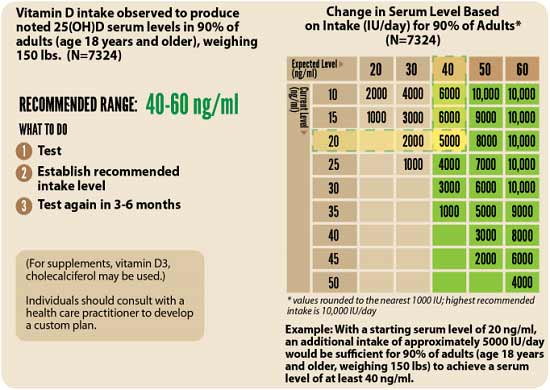
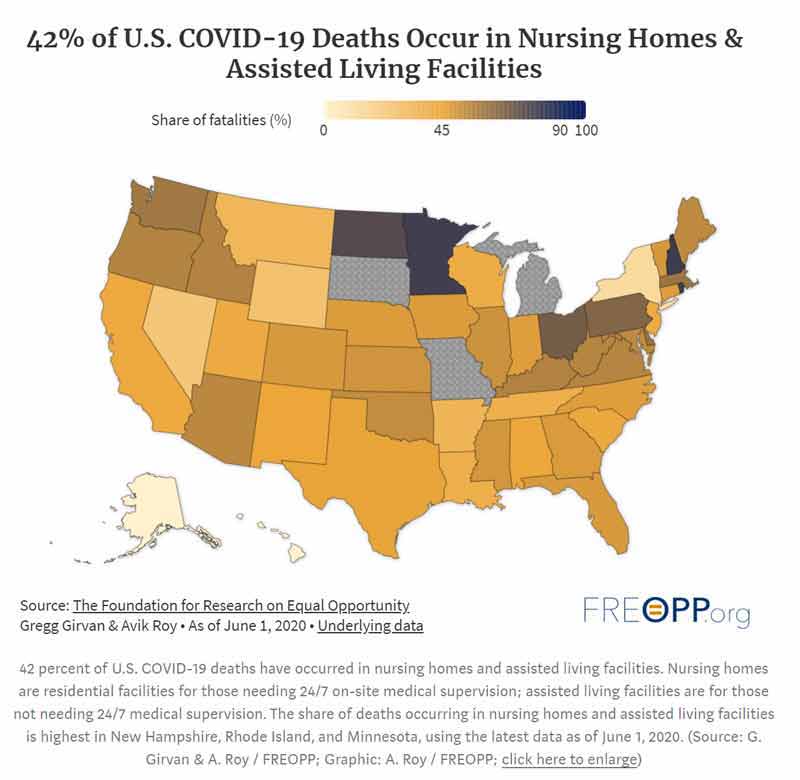

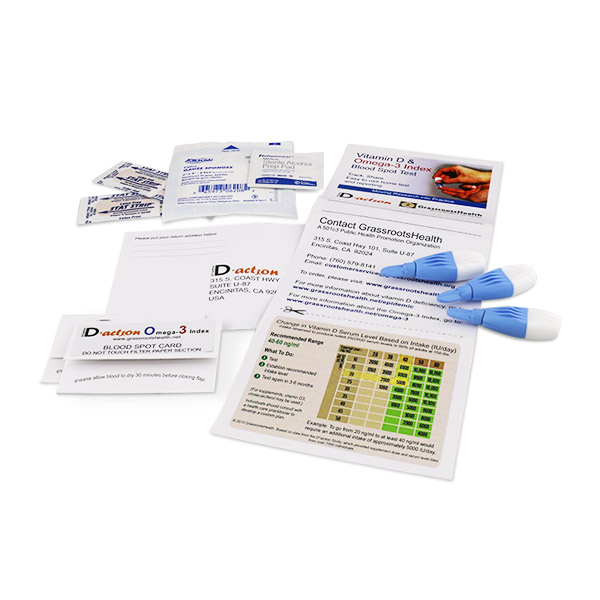


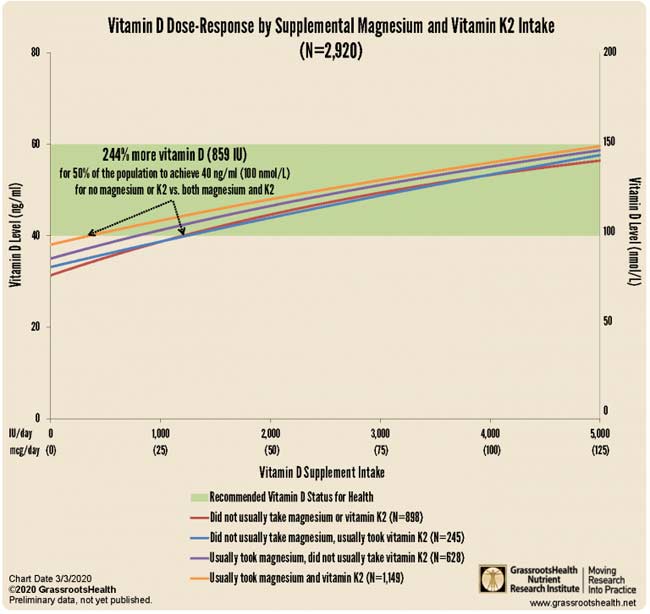
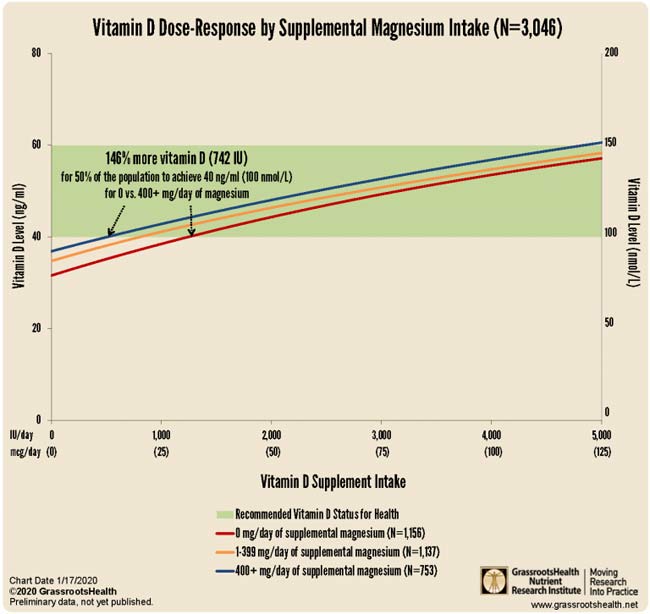

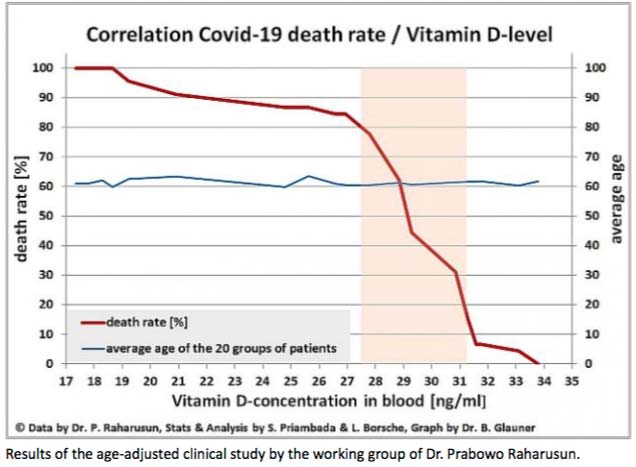
 (


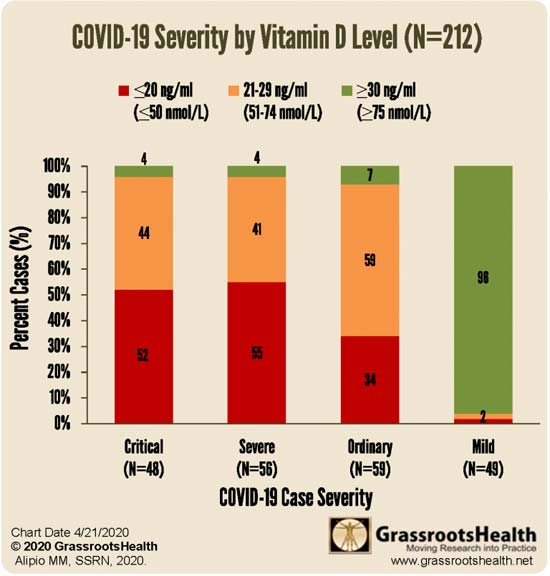
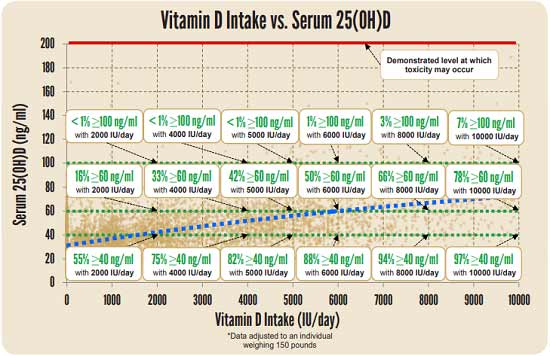
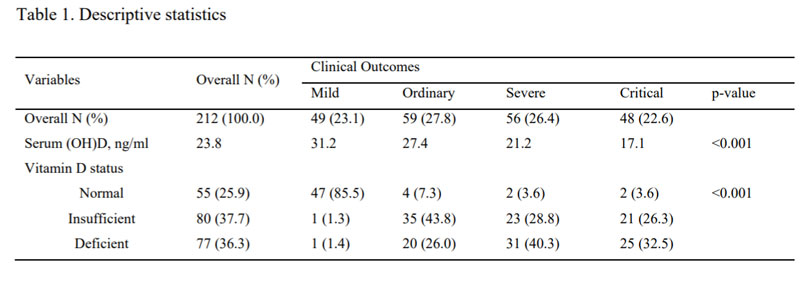

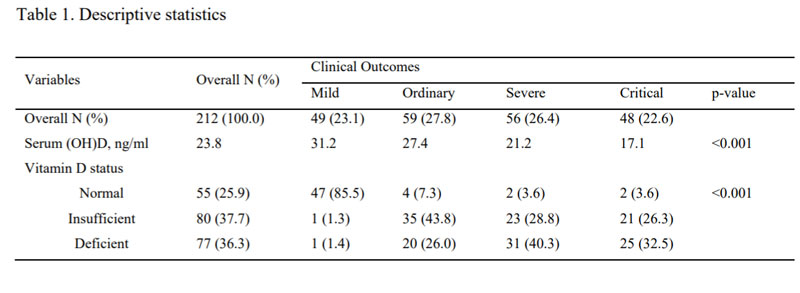
 (