Censorship

now browsing by category


Children’s risk of Death increases between 8100% and 30,200% following Covid-19 Vaccination compared to Unvaccinated Children according to official ONS data

Reproduced from original The Exposé article:
https://expose-news.com/2022/05/20/kids-death-risk-increases-8100percent-covid-vaccination

By:  on May 20, 2022

The Office for National Statistics has revealed without meaning to that children are 82 to 303x more likely to die following Covid-19 vaccination than children who have not had the Covid-19 vaccine.


The Exposé reports the facts the mainstream refuse to. Let’s not lose touch, subscribe today to receive the latest news from The Exposé in your inbox…

Follow The Exposé on Telegram
Join The Exposé’s Telegram Discussion Group


On 16th May 2022, the Office for National Statistics (ONS) published a dataset containing details on ‘deaths by vaccination status in England’ between 1st Jan 2021 and 31st March 2022.

The dataset contains various tables showing details such as, ‘Monthly age-standardised mortality rates by vaccination status for deaths involving COVID-19’, and ‘Monthly age-standardised mortality rates by vaccination status for non-COVID-19 deaths’.

Here’s an example that has been taken from table 2 of the latest dataset –

As you can see, the ONS has chosen not to include children in the calculated mortality rates despite the fact children as young as 5 are now eligible for Covid-19 vaccination. They also grouped young adults as a group ranging from age 18 to 39, a period of 22 years, while all other age groups are a period of 10 years (40-49, 50-59 etc).

It’s things like this that make you believe they must have something to hide, and it turns out they definitely have.

Because on table 9 of the ‘Deaths by Vaccination Status’ dataset, the ONS have inadvertently provided enough details on deaths among children and teenagers by vaccination status for us to calculate the mortality rates ourselves, and they are horrendous.

Here are the figures published by the ONS in table 9 for 10 to 14-year-olds –

And here are the figures published by the ONS in table 9 for 15 to 19-year-olds –

As you can see, the ONS has given us both the number of deaths and person-years by vaccination status. This means we can perform simple math to calculate the mortality rates per 100K person-years ourselves.

All we need to now do is divide the person-years by 100,000, and then divide the number of deaths by the answer to that equation.

So for unvaccinated 10-14 year-olds we perform the following calculation to work out the all-cause death mortality rate –

2,684,874 (person-years) / 100,000 = 26.84874

164 (deaths) / 26.84874 = 6.1

Therefore, the all-cause mortality rate per 100,000 person-years among unvaccinated 10-14-year-olds is 4.58 deaths per 100,000 person-years between 1st Jan 21 and 31st March 22.

Now all we have to do is use the same formula to calculate the mortality rates per 100K person-years for all vaccination statuses among 10 to 14-year-olds and 15 to 19-year-olds.

Here are the calculated mortality rates by vaccination status among 15-19-year-olds based on the ONS calculated person-years –

Source Data

And here are the calculated mortality rates by vaccination status among 10-14-year-olds based on the number of deaths and ONS calculated person-years –

These figures are horrifying. The ONS data shows that between 1st Jan 21 and 31st March 22, double vaccinated children aged 10-14 were statistically up to 39 times more likely to die than unvaccinated children, and double vaccinated teenagers aged 15-19 were statistically up to 4 times more likely to die than unvaccinated teenagers.

But it’s the triple vaccinated figures that are truly frightening when it comes to children.

The ONS data shows that between 1st Jan 21 and 31st March 22, triple jabbed children aged 10-14 were statistically 303 times more likely to die than unvaccinated children of Covid-19, 69x more likely to die of any cause other than Covid-19 than unvaccinated children, and 82x more likely to die of all-causes than unvaccinated children.

This suggests that three doses of a Covid-19 injection increase the risk of all-cause death for children by an average of 8,100%, and the risk of dying of Covid-19 by an average of 30,200%. Whilst two doses increase the risk of all-cause death by an average of 3,600%.

But as things currently stand it’s the other way round for teenagers. Two doses of a Covid-19 injection increase the risk of all-cause death for teens aged 15 to 19 by an average of 300%. Whilst three doses increase the risk of all-cause death by an average of 100%.

The figures for children though, are in fact even worse than they first appear. This is because the unvaccinated mortality rate among 10-14-year-olds includes children aged 10 and 11 who were only offered the Covid-19 injection from the beginning of April 2022, despite the UK Medicine Regulator questionably granting emergency use authorisation for it to be administered to young children in late December 2021.

Whereas the vaccinated mortality rates include only a handful of 10 and 11 year-olds. We know this from the fantastic news that only 7% of 5 to 11-year-olds have had the Covid-19 injection as of 14th May 2022.

Therefore, if the Covid-19 injections were not causing the untimely deaths of children then we would actually expect to see a mortality rate that is lower among the vaccinated population than the mortality rate among the unvaccinated population, not a mortality rate that is similar, and certainly not a mortality rate between 8,100 % and 30,200% higher.

The statistics are horrendous, but it’s important to remember that behind those statistics are real people who are suffering and who have lost their lives, and unfortunately this time around they are children. Children who have never been in danger of suffering serious complications due to the alleged Covid-19 disease. Therefore, children who have never, ever needed an experimental, poor-performing, deadly (these statistics prove it) Covid-19 injection.

Fully Vaccinated Young Adults are 92% more likely to die than Unvaccinated Young Adults according to Office for National Statistics

Reproduced from original The Exposé article:
https://expose-news.com/2022/05/14/covid-vaccines-increase-mortality-rate-young-adults/

By:  on MAY 14, 2022

Official figures published by the UK’s Office for National Statistics show that deaths per 100,000 among double vaccinated 18-39-year-olds were on average 91% higher than deaths per 100,000 among unvaccinated 18-39-year-olds between January 2021 and January 2022.

This means it can no longer be denied that the Covid-19 vaccines are deadly because even the official Government published figures now prove it.


The Exposé reports the facts the mainstream refuse to. Let’s not lose touch, subscribe today to receive the latest news from The Exposé in your inbox…

Follow The Exposé on Telegram
Join The Exposé’s Telegram Discussion Group


The Office for National Statistics is the UK’s largest independent producer of official statistics and the recognised national statistical institute of the UK. It is responsible for collecting and publishing statistics related to the economy, population and society at national, regional and local levels.

Its latest dataset on deaths in England by vaccination status can be found here. It contains a large amount of data on age-standardised mortality rates for deaths by vaccination status between 1 January 2021 and 31 January 2022.

Table 2 of the dataset contains data on the monthly age-standardised mortality rates by vaccination status by age group for all deaths in England. The following table shows an example of how the numbers are presented in the dataset –

What immediately catches the eye when looking at this data is the mortality rate per 100,00 person-years among 18-39-year-olds in the month of January 2021. The figures show the death rate among the unvaccinated in this month was 67.7 deaths per 100,000 person-years. Whilst the death rate among the partly vaccinated (at least 21 days ago) was 119.9 deaths per 100,000 years.

This shows that vaccinated 18-39-year-olds were more likely to die in January 2021, suggesting the Covid-19 injections increased the risk of death or played a part in causing death. So we dug further and extracted all the figures on 18-39-year-olds for each month between January 2021 and January 2022, and this is what we found –

The above chart shows the monthly age-standardised mortality rates by vaccination status for all-cause deaths, per 100,000 person-years among adults aged 18 to 39 in England. The green line is the mortality rate among the unvaccinated, which while fluctuating has remained pretty stable throughout.

The other lines however represent different vaccination statuses, and they are extremely concerning. The orange, yellow, and pink lines represent mortality rates within 21 days of receiving a first, second or third dose. And they reveal that the risk of death increases significantly immediately after vaccination.

This may explain why figures found in ‘table 4’ of the same ONS dataset reveal 41,449 people died within 21 days of vaccination in England between 1st Jan 21 and 31st Jan 22 –

But the most concerning figures are the mortality rates among those vaccinated at least 21 days ago, which you can see more clearly in the following chart –

Around June 2021, there is a cross over from those who’ve received one dose to those who’ve received two doses in terms of the increased mortality rate against the unvaccinated. This obviously tallies with when each injection was administered to this age group. But what’s most concerning here is that the second injection seems to make things much worse in terms of the risk of death.

In January 2021 the mortality rate per 100,000 person-years among the unvaccinated equated to 67.7. This then fell month on month to 33.1 in May, before increasing again in June to 44.8. The same however cannot be said for those who had received a single dose at least 21 days prior to their death.

In January 2021 the mortality rate per 100,000 person-years among the partly vaccinated equated to 119.9. Meaning the mortality rate was 77% higher than the mortality rate among the unvaccinated. This then fell to 68.3 deaths per 100,000 in February, before climbing to 90.1 in March, then 108.8 in April.

This means at this point the mortality rate among the partly vaccinated was 193.3% higher than the mortality rate among the unvaccinated. But not long after following the second dose being administered things get even worse.

The highest mortality rate among the double vaccinated (at least 21 days ago) occurred in September 2021, with 125.9 deaths per 100,000 person-years. In the same month, the mortality rate among the unvaccinated equated to 46.8. Meaning the double vaccinated mortality rate was 169% higher than the unvaccinated mortality rate.

But the largest statistical difference occurred in November 2021. The mortality rate among the unvaccinated equated to 33.4 deaths per 100,000 person-years, whereas the mortality rate among the double vaccinated equated to 107. A difference of 220.4%.

The following chart shows the average-age standardised mortality rate to have occurred between 1st Jan 21 and 31st Jan 22 by vaccination status for all-cause deaths, per 100,000 person-years among adults aged 18 to 39 in England –

The average mortality rate throughout these 13 months among the unvaccinated equates to 43.9 deaths per 100,000 person-years. But ignoring the mortality rate within the first 21 days of vaccination, we find that this is actually the lowest mortality rate among all vaccination statuses, and these include Covid-19 deaths in the rates.

The average partly vaccinated (At least 21 days ago) mortality rate equates to 66.3 deaths per 100,000. Whilst the average double vaccinated (At least 21 days ago) mortality rate equates to 84.02 deaths per 100,000 person-years between 1st Jan 21 and 31st Jan 22.

The average triple vaccinated mortality rate is also higher than the unvaccinated rate at 55 deaths per 100,000. But it’s worth noting here that there is only a couple of months’ data available on the third jab, so we need to wait for the next update to paint a clearer picture of what’s going on with that third dose, but the picture is already not looking very pretty.

So what these official figures from the UK’s Office for National Statistics strongly suggest is that Covid-19 vaccination kills and increases a person’s risk of death due to any cause, possibly by the havoc it reaps on both the cardiovascular and central nervous systems.

And it appears each additional dose makes things worse. On average the one-dose vaccinated were 51% more likely to die than the unvaccinated between 1st Jan 21 and 31st Jan 22.

On average the double vaccinated were 91.4% more likely to die than the unvaccinated between 1st Jan 21 and 31st Jan 22.

And based on the small amount of data available so far, on average the triple vaccinated are on average 25.3% more likely to die than the unvaccinated, but we’ll have to wait for the next ONS dateset to see if the pattern of that mortality-rate increasing holds true.

But either way, it can no longer be denied that the Covid-19 vaccines are deadly because even the official Government published figures now prove it.

Did Pfizer Commit Huge Fraud in Its COVID Vaccine Research?


Reproduced from original article:
https://articles.mercola.com/sites/articles/archive/2022/05/17/did-pfizer-fake-covid-vaccine-research.aspx
The original Mercola article may not remain on the original site, but I will endeavor to keep it on this site as long as I deem it to be appropriate, and will not be bullied into removing it.


Analysis by Dr. Joseph Mercola     Fact Checked    May 17, 2022

STORY AT-A-GLANCE

  • In November 2021, Brook Jackson, a whistleblower who worked on Pfizer’s Phase 3 COVID jab trial in the fall of 2020, warned she’d seen evidence of fraud in the trial
  • With the release of Pfizer trial data — which they tried to withhold for 75 years — additional problems suggestive of fraud and data manipulation are coming to light
  • Trial site 1231, located in Argentina, somehow managed to recruit 10% of the total trial participants, 4,501 in all, and they did so in just three weeks, and without a contract research organization — a feat that has many questioning whether fraud was committed
  • The lead investigator for trial site 1231 is Dr. Fernando Polack, who also happens to be a consultant for the U.S. Food and Drug Administration’s Vaccines and Related Biological Products Advisory Committee (RBPAC), a current adjunct professor at Vanderbilt University in Tennessee, an investigator for Fundación Infant, funded by the Bill & Melinda Gates foundation, and the first author of Pfizer’s paper, “Safety and Efficacy of the BNT162b2 mRNA COVID-19 Vaccine,” published at the end of December 2021
  • Site 1231 held a second enrollment session, given the designation of “site 4444.” The 4444 trial site data raise another red flag. It supposedly enrolled 1,275 patients in a single week, from September 22 through 27, 2020 — the last week that recruitment could take place to meet the data cutoff for the FDA meeting in December 2020. Was “site 4444” fabricating data to create the appearance that the jab was having an effect?

In November 2021, Brook Jackson, a whistleblower who worked on Pfizer’s Phase 3 COVID jab trial in the fall of 2020, warned she’d seen evidence of fraud in the trial.

Data were falsified, patients were unblinded, the company hired poorly trained people to administer the injections, and follow-up on reported side effects lagged way behind. The revelation was published in The British Medical Journal. In his November 2, 2021, report, investigative journalist Paul Thacker wrote:1

“Revelations of poor practices at a contract research company helping to carry out Pfizer’s pivotal COVID-19 vaccine trial raise questions about data integrity and regulatory oversight …

[F]or researchers who were testing Pfizer’s vaccine at several sites in Texas during that autumn, speed may have come at the cost of data integrity and patient safety … Staff who conducted quality control checks were overwhelmed by the volume of problems they were finding.”

Jackson, a former regional director of Ventavia Research Group, a research organization charged with testing Pfizer’s COVID jab at several sites in Texas, repeatedly “informed her superiors of poor laboratory management, patient safety concerns and data integrity issues,” Thacker wrote.

When her concerns were ignored, she finally called the U.S. Food and Drug Administration and filed a complaint via email. Jackson was fired later that day after just two weeks on the job. According to her separation letter, management decided she was “not a good fit” for the company after all.

She provided The BMJ with “dozens of internal company documents, photos, audio recordings and emails” proving her concerns were valid, and according to Jackson, this was the first time she’d ever been fired in her 20-year career as a clinical research coordinator.

BMJ Report Censored

Disturbingly, social media actually censored this BMJ article and published pure falsehoods in an effort to “debunk” it. Mind you, the BMJ is one of the oldest and most respected peer-reviewed medical journals in the world! The Facebook “fact check” was done by Lead Stories, a Facebook contractor, which claimed the BMJ “did NOT reveal disqualifying and ignored reports of flaws in Pfizer’s” trials.2

In response, The BMJ slammed the fact check, calling it “inaccurate, incompetent and irresponsible.”3,4,5 In an open letter6 addressed to Facebook’s Mark Zuckerberg, The BMJ urged Zuckerberg to “act swiftly” to correct the erroneous fact check, review the processes that allowed it to occur in the first place, and “generally to reconsider your investment in and approach to fact checking overall.” As noted by The BMJ in its letter, the Lead Stories’ fact check:7

  • Inaccurately referred to The BMJ as a “news blog”
  • Failed to specify any assertions of fact that The BMJ article got wrong
  • Published the fact check on the Lead Stories’ website under a URL that contains the phrase “hoax-alert”

Pfizer Trial Data Raises Suspicions of Fraud

Now, with the release of Pfizer trial data8 — which they tried to withhold for 75 years — internet sleuths are finding additional problems suggestive of fraud and data manipulation. May 9, 2022, a Twitter user named Jikkyleaks posted a series of tweets questioning data from Pfizer trial sites 1231 and 4444.9

Trial site 1231, located in Argentina, somehow managed to recruit 10% of the total trial participants, 4,501 in all, and they did so in just three weeks, and without a contract research organization (CRO). CROs like the Ventavia Research Group, which Jackson worked for, provide clinical trial management services. The lead investigator for trial site 1231 is Dr. Fernando Polack,10 who also happens to be:11

  • A consultant for the U.S. Food and Drug Administration’s Vaccines and Related Biological Products Advisory Committee (RBPAC) since 2017
  • A current adjunct professor at Vanderbilt University in Tennessee
  • An investigator for Fundación Infant,12 which is funded by the Bill & Melinda Gates foundation13
  • The first author of Pfizer’s paper,14 “Safety and Efficacy of the BNT162b2 mRNA COVID-19 Vaccine,” published at the end of December 2021

As noted by Jikkyleaks, Polack “is literally the busiest doctor on the planet,” because in addition to all those roles, he also managed to single-handedly enroll 4,500 patients in three weeks, which entails filling out some 250 pages of case report forms (CRFs) for each patient. That’s about 1,125,000 pages total. (CRFs are documents used in clinical research to record standardized data from each patient, including adverse events.)

This recruitment also took place seven days a week, which is another red flag. “Weekend recruitment for a clinical trial would be odd. Staff are needed to fill out that many record forms (CRFs) and there are potential risks to the trial, so you need medical staff. It would be highly unusual,” Jikkyleaks notes.

Is Polack just a super-humanly efficient trial investigator, or could this be evidence of fraud? As noted by Steve Kirsch in the featured video and an accompanying Substack article,15 Polack is the coordinator for a network of 26 hospitals in Argentina, so perhaps it’s possible he could have recruited 57 patients per week per hospital, but it seems highly unlikely.

Questions Surround Site 4444 Data

Now, “site 4444” does not exist. It’s actually the same as site 1231. It appears site 1231 held a second enrollment session, and these were for some reason given the designation of 4444. The 4444 trial site data raise another red flag.

Site 4444 (the second enrollment session for site 1231) supposedly enrolled 1,275 patients in a single week, from September 22 through 27, 2020, and the suspicious thing about that — aside from the speed — is the fact that this was the last week that recruitment could take place to meet the data cutoff for the FDA meeting in December 2020. Jikkyleads writes:16

“My guess: they needed enough numbers of ‘positive PCR tests’ in the placebo group to show a difference between groups for that VRBPAC meeting on the 10th Dec, and they didn’t have them. So, site 4444 appeared and gave them their ‘perfect’ result. Bravo.”

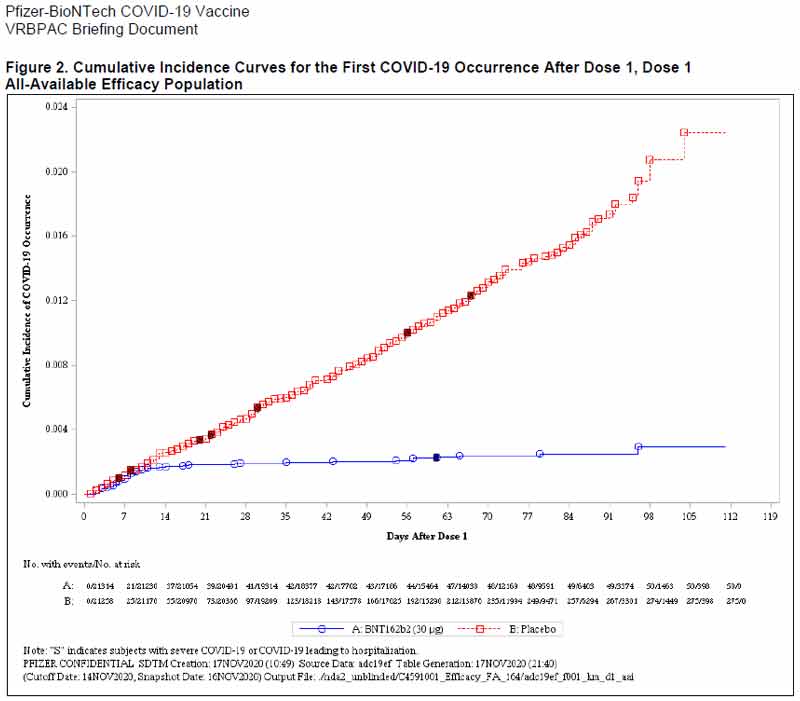
cumulative incidence

Kirsch notes:17

“Was there fraud in the Pfizer trial? Without a doubt. The story of Maddie de Garay is a clear case of that. Brook Jackson has evidence of fraud; she has 17 lawyers working for her. If there wasn’t fraud, these lawyers wouldn’t be wasting their time.

This new data on Site 1231/4444 looks suspicious to me. It looks too good to be true. But we can’t make the call without more information. Undoubtedly, the mainstream media will not look into this, Pfizer will remain silent, and Polack will be unreachable for comment. The lack of transparency should be troubling to everyone. That is the one thing we can say for sure.”

Pfizer Documents Reveal COVID Jab Dangers

Among the tens of thousands of Pfizer documents released by the FDA so far, we now also have clear evidence of harm. For nurse educator John Campbell, featured in the video above, these documents appear to have served as a “red pill,”18 waking him up to the possibility that the jabs may indeed be far more dangerous than anyone expected, including himself.

In the video, Campbell reviews the documents listed as “5.3.6. Postmarketing Experience,” which were originally marked “confidential.” They reveal that, cumulatively, through February 28, 2021, Pfizer received 42,086 adverse event reports, including 1,223 deaths.

To have 1,223 fatalities and 42,086 reports of injury in the first three months is a significant safety signal, especially when you consider that the 1976 swine flu vaccine was pulled after only 25 deaths.

As noted by Campbell, “It would have been good to know about this at the time, wouldn’t it?” referring to the rollout of the jabs. Campbell has been fairly consistent in his support of the “safe and effective” vaccine narrative, but “This has just destroyed trust in authority,” he said.

158,000 Recorded Side Effects — A World Record?

The first really large tranche of more than 10,000 Pfizer documents was released March 1, 2022. (You can find them all on PHMPT.org.19) In this batch were no less than nine single-space pages of “adverse events of special interest,” listed in alphabetical order20 — 158,000 in all!

To see the first page, click the link below. The first side effect on this shockingly exhaustive list is a rare condition known as 1p36 deletion syndrome. This condition, caused by the deletion of DNA in chromosome 1p36, results in developmental delays, severe intellectual disability, seizures, vision problems, hearing loss, breathing problems, brain anomalies, congenital heart defects, cardiomyopathy, renal anomalies, genital malformation, metabolic problems and more.21,22

Life expectancy depends on the amount of DNA that has been deleted. This, at bare minimum, sounds like something a pregnant woman might want to know before she gets the shot.

pfizer list release

CRF Anomalies Raise Questions of Fraud

After reviewing some of the released CRFs in the March 1 tranche, investigative journalist Sonia Elijah also discovered several problems, including the following:23

Patients entered into the “healthy population” group who were far from healthy — For example, one such “healthy” participant was a Type 2 diabetic with angina, a cardiac stent and a history of heart attack.
Serious adverse event (SAE) numbers were left blank — Ventavia site No. 1085 has a particularly large number of missing SAE numbers.
Missing barcodes for samples collected — Without those barcodes, you can’t match the sample to the participant.
Suspicious-looking SAE start and end dates — For example, the so-called “healthy” diabetic suffered a “serious” heart attack October 27, 2020. The “end” date is listed as October 28, the next day, which is odd because it was recorded as serious enough to require hospitalization.

Also, on that same day, October 28, the patient was diagnosed with pneumonia, so likely remained hospitalized. “This anomaly raises doubt as to the accuracy of these recorded dates, potentially violating ALOCA-C clinical site documentation guidelines for clinical trials,” Elijah writes.

Unblinded teams were responsible for reviewing adverse event reports for signs of COVID cases, and to review severe COVID cases — Yet in some cases they appear to have dismissed the possibility of an event being COVID-related, such as pneumonia. This despite the fact that Pfizer’s protocol (section 8.2.4) lists “enhanced COVID-19” (i.e., antibody dependent enhancement) as a potential side effect to be on the lookout for. As noted by Elijah:

“Inadvertently, this could have led to bias, as the unblinded teams would have been aware which participants were assigned the placebo and those who received the vaccine. They might have been under pressure by the sponsor for the trial to go a certain way and for events like ‘COVID Pneumonia’ to be classified simply as pneumonia.”

Impossible dating — The diabetic who suffered a heart attack followed by pneumonia (which may have been unacknowledged COVID pneumonia) died, and the date of death is listed as the day before the patient supposedly went for a “COVID ill” visit.

Clearly, it’s impossible for a dead person to attend a medical visit, so something is wrong here. The clinical investigator note states: “There cannot be a date later than date of death. Please remove data from the COVID illness visit and add cough and shortness of breath as AEs (adverse events).” “What kind of pressure was being exerted here?” Elijah asks.

Second dose administered outside the three-week protocol window.
Observation period appears to have been an automatic entry — According to the protocol, each participant was to be observed by staff for a minimum of 30 minutes.

A majority of the CRFs state 30 minutes, which raises the question: Were participants observed for adequate amounts of time, or did they simply put down “30 minutes” as an automatic entry? Why is there so little variety in the observation times? If participants were not adequately observed, their safety was put at risk, which was one of Jackson’s concerns.

Adverse events listed as “not serious” despite extended hospital stay — In one case, the participant fell and suffered facial lacerations the day after the second dose and was hospitalized for 26 days, yet the fall was not reported as serious.

Other anomalies in this particular case include listing the fall as being caused by a “fall” unrelated to the study treatment, and the facial laceration being the result of “hypotension” (low blood pressure). The SAE number is also missing for the facial lacerations.

Elijah writes, “Doubts can be raised over the credibility of this information given the fall and facial lacerations were intrinsically related. So, if facial lacerations were due to ‘hypotension’ then the fall should be due to that too.” Might low blood pressure be an effect of the experimental shot? Possibly. Especially when you consider the patient fell the day after being given the second dose.

Even more suspicious: the causality for the fall was recorded as “related” (to the treatment) on the serious adverse event form, but listed as “not related” on the adverse event CRF. A note states, “Please confirm correct causality.”

Dismissing brand new health problems as unrelated to the treatment — For example, in one case, a female participant with no medical history of impaired kidney function was diagnosed with kidney stones and severe hypokalemia, requiring hospitalization, one month after her second dose. Yet despite her having no history of kidney problems, both events were dismissed as “not related” to the study treatment and no further investigation was done.

In closing, Elijah wrote:24

“All the evidence gleaned over a limited time appears to back up whistleblower Jackson’s claims of poor trial site data management and raises questions as to how Ventavia conducted the Pfizer clinical trials.

The errors and anomalies in the CRFs also allude to her claims that the clinical research associates were not trained adequately, with many having had no prior clinical experience history. If such egregious findings are true at these sites, could they manifest at other trial sites around North America and beyond?”

Can You Trust Pfizer?

Pfizer, which was quickly given emergency use authorization (EUA) for its COVID-19 mRNA gene therapy shot, has a long list of criminal verdicts against it:

In 2002, Pfizer and two subsidiaries paid $49 million to settle civil claims that it had failed to report best prices for its drug Lipitor, as is required under the Medicaid Drug Rebate Statute.25
In 2004, a Pfizer subsidiary Warner-Lambert pleaded guilty and paid more than $430 million to settle criminal charges and civil liability from fraudulent marketing practices.26
In 2007, another subsidiary was found guilty of paying out kickbacks for formulary placement of its drugs and had to pay a fine of $34 million.27
Two years later, in 2009, Pfizer was found guilty of health care fraud and ordered to pay the largest penalty ever for this kind of offense.28 When announcing the record penalty of $2.3 billion against the drug giant, the U.S. Department of Justice said one of the charges was a felony. The other charges stemmed from false actions and false claims submitted to federal health care programs.
In 2010, the company was again ordered to pay $142 million in damages for fraudulent marketing and promoting the drug Neurontin for unapproved uses.29
Less than 10 years later, in 2018, Pfizer was again caught in an illegal kickback scheme and agreed to pay $23.8 million to resolve claims that it used a foundation as a conduit to pay the copays of Medicare patients taking three of its drugs.30

As noted in the journal Healthcare Policy in 2010,31 “Pfizer has been a ‘habitual offender,’ persistently engaging in illegal and corrupt marketing practices, bribing physicians and suppressing adverse trial results.” The article also highlights the crimes of Johnson & Johnson, another COVID jab maker.

Despite its tarnished history, we’re now expected to trust that everything Pfizer does is above-board. I don’t think so. A company that continues getting caught committing the same crimes over and over again clearly has a deeply established ethical rot within its corporate structure that fines simply have no effect over.

Has Pfizer committed fraud in its COVID jab trials as well? It sure looks that way. Time will tell whether attorneys will have enough for a conviction in the future. If fraud did take place, Pfizer can (and likely will) be held liable for the more than one million injuries its injection has caused in the U.S. alone, and we all look forward to that reckoning.

41.5K people died within 21 days of Covid-19 Vaccination in England & a further 291K died within 6 months

Reproduced from original The Exposé article:
https://expose-news.com/2022/05/13/41k-dead-21-days-covid-vaccination-england/

By:  on May 13, 2022

Data published by the Office for National Statistics reveals that 41,449 people sadly died within 21 days of receiving a dose of the Covid-19 vaccine in England between 1st January 2021 and 31st January 2022, and a further 290,915 people sadly lost their lives within 21 days to 6 months of being vaccinated.


The Exposé is now censored by Facebook & Twitter. Let’s not lose touch, subscribe today to receive the latest news from The Exposé in your inbox…

Follow The Exposé on Telegram
Join The Exposé’s Telegram Discussion Group


The Office for National Statistics is the UK’s largest independent producer of official statistics and the recognised national statistical institute of the UK. It is responsible for collecting and publishing statistics related to the economy, population and society at national, regional and local levels.

Its latest dataset on deaths in England by vaccination status can be found here. It contains a large amount of data on age-standardised mortality rates for deaths by vaccination status between 1 January 2021 and 31 January 2022: 16 March 2022.

Table 3 of the dataset contains data on the total number of deaths by vaccination status due to all causes among the entire population of England. The following table shows the numbers as they are presented in the dataset –

Here’s a chart that visualises the numbers above –

According to the Office for National Statistics (ONS) dataset, between 1st Jan 2021 and 31st Jan 2022, 495,300 people sadly lost their lives. It is unclear whether that includes the entire population of England, or only those eligible for vaccination.

Unfortunately, 79% of those 495,300 deaths occurred following Covid-19 vaccination, with 392,066 deaths among people who had received at least one dose between 1st Jan 21 and 31st Jan 22.

Without delving deeper, you may believe that this is normal and to be expected because so many people were vaccinated. This is why we have delved deeper for you.

The following chart shows the age-standardised mortality rate per 100,000 person-years among 18 to 39-year-olds in England by vaccination status during the month of December 2021. The data has been extracted from table 2 of the ONS dataset –

This is just one example of many (we will be publishing a more in-depth investigation of the figures) that unfortunately reveals the vaccinated are more likely to die of any cause than the unvaccinated.

In December alone, the mortality rate among 18-39-year-olds who received a second dose of a Covid-19 injection within 21 days of their death was 50% higher than the mortality rate among the unvaccinated.

The mortality rate among 18-39-year-olds who received a booster dose at least 21 days before their death was also higher than the mortality rate among the unvaccinated by 17.3%.

However, the fact that the mortality rate is significantly higher within 21 days of vaccination suggests the Covid-19 injections more than likely played a role in this increased risk of death.

The following chart shows the all-cause deaths within 21 days of Covid-19 vaccination, and between 21 days to 6 months of Covid-19 vaccination in England between 1st Jan 2021 and 31st Jan 2022 –

41,449 people have sadly lost their lives within 21 days of receiving a dose of a Covid-19 vaccine in England so far, and further 290,915 people have sadly lost their lives between 21 days to 6 months of receiving a dose of a Covid-19 vaccine. This means a total of 332,364 people died within 6 months of Covid-19 vaccination between 1st January 2021 and 31st January 2022.

When we couple these figures with further data from the UK Health Security Agency that shows the fully vaccinated are nearly 3 times more likely to die of Covid-19 than the unvaccinated as vaccine effectiveness against death falls to minus-166%, then we have to ask, has it all been worth it?


The Exposé is now censored by Facebook & Twitter. Let’s not lose touch, subscribe today to receive the latest news from The Exposé in your inbox…

Follow The Exposé on Telegram
Join The Exposé’s Telegram Discussion Group

Most Americans Don’t Want Those Shots


Reproduced from original article:
https://articles.mercola.com/sites/articles/archive/2022/05/13/most-americans-dont-want-those-shots.aspx
The original Mercola article may not remain on the original site, but I will endeavor to keep it on this site as long as I deem it to be appropriate, and will not be bullied into removing it.


Analysis by Dr. Meryl Nass     May 13, 2022

The New York Times provides daily updates from the CDC on the numbers vaccinated. While nothing that comes out of CDC’s mouth is necessarily reliable, I am presenting the official numbers below. But it is certainly possible that the numbers of the unvaccinated or partially vaccinated are even higher than presented here. Pay close attention to the numbers.

257.6 million (of a total 334 million Americans) got at least one dose of vaccine. That is 77% of the country. If you remove the 0 through 4 year olds, it is 82% of those eligible by age for vaccine. It seems like the vast majority of Americans went along with the vaccine program.

But Not for Long

A surprising 15% of the initially vaccinated (and 11% of all Americans) never went back for their second shot. That is huge. There is no other vaccine where such a high percentage fails to complete a 2 dose series. So if you add together the 18% who refused any shot and the 11% (of all Americans) who refused to complete the initial series, you are up to 29% vaccine refusers and ex-vaxxers who did not get “fully vaccinated,” using CDC’s terminology.

“The Centers for Disease Control and Prevention said on Friday that about 257.6 million people had received at least one dose of a Covid-19 vaccine, including about 219.6 million people who had been fully vaccinated by the Johnson & Johnson single-dose vaccine or the two-dose series made by Pfizer-BioNTech and Moderna.”

[Why does CDC use the word “about” when it has a record of every single vaccinated American? — Nass]

The C.D.C. also reported that about 100.5 million fully vaccinated people have received an additional vaccine dose or a booster dose, the highest level of protection against the virus. Now let’s look at how many Americans went along with the booster dose. Only 100.5 million Americans took that first booster, or 30% of Americans, according to the NYT.

But if you look at the NYT graph of % boosted by county, in many counties less than 15% of the population took booster #1. Why didn’t the NYT use additional colors for counties where over 35% or over 40% were boosted? Are there none? If so, the total boosted in the US may be less than 30%.

pct of residents who have received a booster

But let’s go along with CDC and the NYT and use 30% or 100.5 million people as our boosted number.

How many people took the first two shots (or one if they got the J and J shot) and refused the booster? 36% of Americans (219.6 M-100.5 M / 334 M people) took the initial series and refused the booster. Add 36% to 18% who refused all, and add 11% who refused the second shot and now you have 65% of the country that said “No more!”

Throw in the 5.6% of Americans below age 5 who are not eligible for the vaccine (it is not emergency use authorized for them) and you find that 70% of us are not “up to date” according to the CDC.

It looks like Americans are not so dumb after all. Despite two years of continuous propaganda, and unprecedented threats of employment and educational loss if unvaccinated, Americans are saying, “Enough.” They have stopped queueing up at vaccine clinics, many of which are now closed.

Why Would They Do That?

It seems they have access to the alternate media. They have seen people get injured or die after receiving the shots. They have enough common sense to know it’s not right to get an injection every few months.

Information coming from the UK and other places that vaccination did not prevent deaths or hospitalizations, not to mention cases and spread, has gotten out via the bush telegraph. People were able to distinguish the truth from fake news.

Information that vaccination with the COVID vaccines seems to impair the ability to mount a broad immune response to COVID could only be suppressed for so long.

The original Moderna clinical trial data, which should have been available to regulatory agencies at least since the Moderna package was presented for licensure, reveals that while 93% of unvaccinated controls produced the SARS-CoV-2 anti-nucleocapsid antibody after infection, only 40% of the vaccinated produced this antibody at detectable levels after infection.

They failed to mount the expected immune response. It is possible or probable that the more doses of these vaccines you receive, the less broad immunity you will develop, even after getting infected.

In any event, Americans have woken out of their slumber. According to the American Academy of Pediatrics, only 35% of 5 through 11 year olds have received any COVID vaccine, and only 28% have received both doses. Twenty percent of initially vaccinated 5-11 year olds were never brought back for the second shot. Doesn’t that tell you something?

According to CDC, 75% of American children have already had COVID. And it is only very rarely a severe disease for children, despite CDC’s desperate spin. So the idea of mass vaccinating little kids is unspeakably cruel.

Now the 65% of us that are awake need to save the preschoolers from these fiendish shots. FDA has set aside several days in June for advisory committee meetings on shots for toddlers and babies, and a booster dose for the 5-11 year olds. We must stop the carnage before the vaccines are authorized for the tiniest Americans.

We also need to save the unawakened parents from themselves, in case the vaccines do get authorized. These parents desperately need our guidance. Won’t you help?

Is Ivermectin a Cancer Solution?


Reproduced from original article:
https://articles.mercola.com/sites/articles/archive/2022/05/12/ivermectin-antitumor-effects.aspx
The original Mercola article may not remain on the original site, but I will endeavor to keep it on this site as long as I deem it to be appropriate, and will not be bullied into removing it.


Analysis by Dr. Joseph Mercola     Fact Checked     May 12, 2022

ivermectin antitumor effects

STORY AT-A-GLANCE

  • Ivermectin has notable antitumor effects, which include inhibiting proliferation, metastasis and angiogenic activity in cancer cells
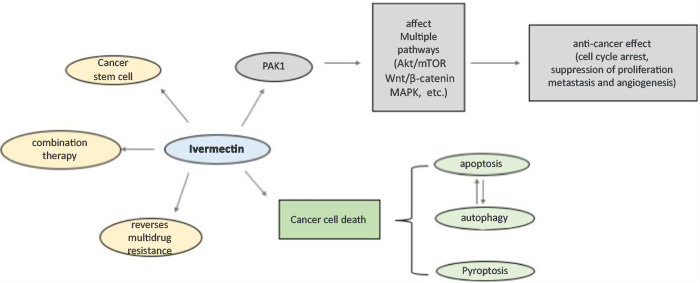
  • Ivermectin may target cancer in multiple ways, including inducing apoptosis and autophagy while also inhibiting tumor stem cells and reversing multidrug resistance
  • Along with direct cytotoxic effects, it’s believed that ivermectin regulates the tumor microenvironment, mediating immunogenic cell death
  • The development of an injectable form of ivermectin, or liposomal ivermectin, could help overcome some of its limitations regarding solubility, and open its use to a broader range of cancers
  • Considering that the “war against cancer” has been ongoing for decades, with little to show in terms of lives saved, repurposing existing drugs with favorable safety profiles and notable anticancer effects — like ivermectin — makes sense

Ivermectin is a widely used antiparasitic drug that’s listed on the World Health Organization’s essential medicines list1 and approved by the U.S. Food and Drug Administration. In low- and middle-income countries, ivermectin is commonly used to treat parasitic diseases including onchocerciasis (river blindness), strongyloidiasis and other diseases caused by soil-transmitted helminthiasis, or parasitic worms.2

The drug is also used to treat scabies and lice. It’s estimated that the total number of ivermectin doses distributed is equal to one-third of the world’s population and, as such, “ivermectin at the usual doses (0.2–0.4 mg/kg) is considered extremely safe for use in humans.”3

Ivermectin also has demonstrated antiviral and anti-inflammatory properties and made headlines for its potential role in treating COVID-194 — although much of the positive press has been censored and falsely labeled misinformation.5 Now researchers are highlighting another potential use for ivermectin, which is equally as exciting as its potential role in COVID-19 — as an anticancer agent.

Ivermectin’s Powerful Antitumor Effects

Ivermectin has notable antitumor effects, which include inhibiting proliferation, metastasis and angiogenic activity in cancer cells.6 It appears to inhibit tumor cells by regulating multiple signaling pathways, which researchers explained in the Pharmacological Research journal, “suggests that ivermectin may be an anticancer drug with great potential.”7

Their graphic, below, shows the multiple ways that ivermectin may target cancer, including inducing apoptosis and autophagy while also inhibiting tumor stem cells and reversing multidrug resistance. They stated that ivermectin “exerts the optimal effect when used in combination with other chemotherapy drugs.”8

Many may not be aware that scientists Satoshi ōmura and William C. Campbell won the Nobel Prize in Physiology or Medicine in 2015 for their discovery of ivermectin.9 The medicine is used to treat not only parasitic diseases like malaria but also shows promise for treating asthma and neurological diseases, in addition to cancer.

Along with direct cytotoxic effects, it’s believed that ivermectin regulates the tumor microenvironment, mediating immunogenic cell death — another reason for its promise as an anticancer agent.10 Research suggests the drug may be useful for the following cancers:11

Breast cancer — The proliferation of multiple breast cancer cell lines was significantly reduced following treatment with ivermectin.
Digestive system cancer — Ivermectin significantly inhibited the proliferation of gastric cancer cells in vivo and in vitro. The drug also inhibited colorectal cancer cell lines and inhibited the development of hepatocellular carcinoma (liver cancer).
Urinary system cancer — Ivermectin significantly inhibited the proliferation of five renal (kidney) cell carcinoma lines without affecting normal kidney cells. It also had an inhibitory effect on prostate cancer cells.
Hematological cancer — In one study, ivermectin killed leukemia cells at low concentrations while leaving normal hematopoietic cells unharmed.
Reproductive system cancer — Ivermectin inhibited the proliferation of ovarian cancer cell lines and enhanced the efficacy of the conventional chemotherapy drug cisplatin, improving the treatment of epithelial ovarian cancer.
Brain glioma — Ivermectin inhibited the proliferation of human glioblastoma cells in a dose-dependent manner.
Respiratory system cancer — Ivermectin inhibited the development of nasopharyngeal carcinoma in mice, using doses that were not toxic to immune cells known as thymocytes. Ivermectin also significantly inhibited the proliferation of lung cancer cells and may reduce the metastasis of lung cancer cells.
Melanoma — When melanoma cells were treated with ivermectin, their activity was effectively inhibited.

Ivermectin Shows Promise Against Colorectal Cancer

A study published in Frontiers in Pharmacology specifically highlighted ivermectin’s potential to fight colorectal cancer, which is the third most common cancer worldwide.12 The drug was found to inhibit colorectal cancer cell growth in a dose-dependent manner as well as promote cell apoptosis.

Further, even at low doses of 2.5 and 5 µM, ivermectin inducted cell arrest in colorectal cancer, leading researchers to state, “[I]vermectin might be a new potential anticancer drug therapy for human colorectal cancer and other cancers.”13 Considering that the “war against cancer” has been ongoing for decades, with little to show in terms of lives saved, repurposing existing drugs with favorable safety profiles and notable anticancer effects — like ivermectin — makes sense.

The Pharmacological Research scientists similarly noted, “Drug repositioning is a shortcut to accelerate the development of anticancer drugs.”14 Not only has ivermectin been shown to permeate tumor tissues effectively, but it has a long history of successful use in humans. They explained that even when doses were increased, no serious adverse effects were found:15

“[T]he broad-spectrum antiparasitic drug IVM (ivermectin), which is widely used in the field of parasitic control, has many advantages that suggest that it is worth developing as a potential new anticancer drug. IVM selectively inhibits the proliferation of tumors at a dose that is not toxic to normal cells and can reverse the MDR [multidrug resistance] of tumors.

Importantly, IVM is an established drug used for the treatment of parasitic diseases such as river blindness and elephantiasis. It has been widely used in humans for many years, and its various pharmacological properties, including long- and short-term toxicological effects and drug metabolism characteristics are very clear. In healthy volunteers, the dose was increased to 2 mg/Kg, and no serious adverse reactions were found …”

Is Liposomal Delivery a Game Changer?

The development of an injectable form of ivermectin, or liposomal ivermectin, could help overcome some of its limitations regarding solubility and open its use to a broader range of cancers. The cancer immunotherapy treatment pembrolizumab, for instance, is approved to treat PD-L1-positive, triple-negative breast cancer, which accounts for only about 20% of cases.

As an immune checkpoint inhibitor, it works best in so-called “hot” tumors, which are already infiltrated by T cells. If ivermectin could be injected into the tumor, inducing T-cell infiltration into the area and inducing immunogenic cancer cell death, it’s possible that it could turn a “cold” tumor into a “hot” one, thereby making it more effectively treated.16

Biotech company Mountain Valley MD has developed a liposomal delivery system for ivermectin that they believe could dramatically widen its treatment potential. In an interview with Medical Update Online, Dennis Hancock, Mountain Valley MD president and CEO, explained:17

“So the business value proposition really simply is, we take the best-selling and best-acting drugs and expand their ability to be used on … more types of cancer on a broader spectrum. So you still need the cancer drug and what our Ivectosol does is it enables it to be used in a broader universe …

What’s really exciting about the work that Mountain Valley MD is doing is we’re enabling drugs that have already been proven in their efficacy and safety to do better and do more faster — so we’re not asking people to ‘wait five years and see’…”

Most of the research involving ivermectin for cancer to date involves oral or in-vitro administration. Mountain Valley MD is conducting preclinical trials using liposomal ivermectin for metastatic melanoma, non-small cell lung cancer, triple-negative breast cancer and possibly bladder cancers. They also have plans to produce liposomal ivermectin for use in human trials.18 In a news release, Mike Farber, director of life sciences at Mountain Valley MD, stated:19

“The extensive research supporting the drug ivermectin as effective in the inhibition of proliferation, metastasis, and angiogenic activity in a variety of cancers, and as an initiator of immunogenic cell death, is overwhelming. Imagine what is possible when you have the world’s only human injectable form of ivermectin that can be directly injected into a tumor or provided through more bio-available forms such as intravenously.

We believe this will be groundbreaking research with near-immediate application to be able to proceed directly to human trials based on the safety and efficacy of ivermectin.”

What About Ivermectin for SARS-CoV-2?

In the U.S., ivermectin has been vilified as a treatment for SARS-CoV-2, despite its impressive inhibitory effects on the virus.20 Even the FDA has a dedicated webpage warning “why you should not use ivermectin to prevent COVID-19.”21

It’s interesting to note, however, that Africa has a lower number of cases, severity of disease, hospitalizations and deaths than other areas of the world,22 which may be due to using prophylactic medications for endemic infections — ivermectin and others, such as sweet wormwood — that have successfully treated COVID-19.

For instance, a study from Japan demonstrated that just 12 days after doctors were allowed to legally prescribe ivermectin to their COVID-19 patients, the cases dropped dramatically.23 The chairman of the Tokyo Medical Association24 noticed the low number of infections and deaths in Africa, where many use ivermectin prophylactically and as the core strategy to treat river blindness.25 More than 99% of people infected with river blindness live in 31 African countries.

Aside from these observations, a study published in the March 2022 issue of the International Journal of Infectious Diseases found that treatment with ivermectin reduced mortality in COVID-19 patients — and to a greater degree than remdesivir.26

Another recent investigation by Cornell University, posted on the University’s preprint server January 20, 2022, found ivermectin outperformed 10 other drugs against COVID-19, making it the most effective against the Omicron variant.27 It even outperformed nirmatrelvir (Paxlovid), which was granted emergency use authorization against COVID-19 in December 2021.

Remdesivir costs between $2,340 and $3,120,28 and nirmatrelvir costs $529 per treatment,29 while ivermectin’s average treatment cost is $58.30 Do you think this has anything to do with ivermectin’s vilification?

Dr. Pierre Kory, who is part of the group that formed the Front Line COVID-19 Critical Care Working Group (FLCCC) to advance early treatments for COVID-19, pleaded with the U.S. government early on in the pandemic to review the expansive data on ivermectin to prevent COVID-19, and to keep those with early symptoms from progressing and help critically ill patients recover — to no avail.31,32

However, if you’d like to learn more about its potential uses for SARS-CoV-2, FLCCC’s I-MASK+ protocol can be downloaded in full,33 giving you step-by-step instructions on how to prevent and treat the early symptoms of COVID-19.

FLCCC also has protocols for at-home prevention and early treatment, called I-MASS, which involves ivermectin, vitamin D3, a multivitamin and a digital thermometer to watch your body temperature in the prevention phase and ivermectin, melatonin, aspirin and antiseptic mouthwash for early at-home treatment.

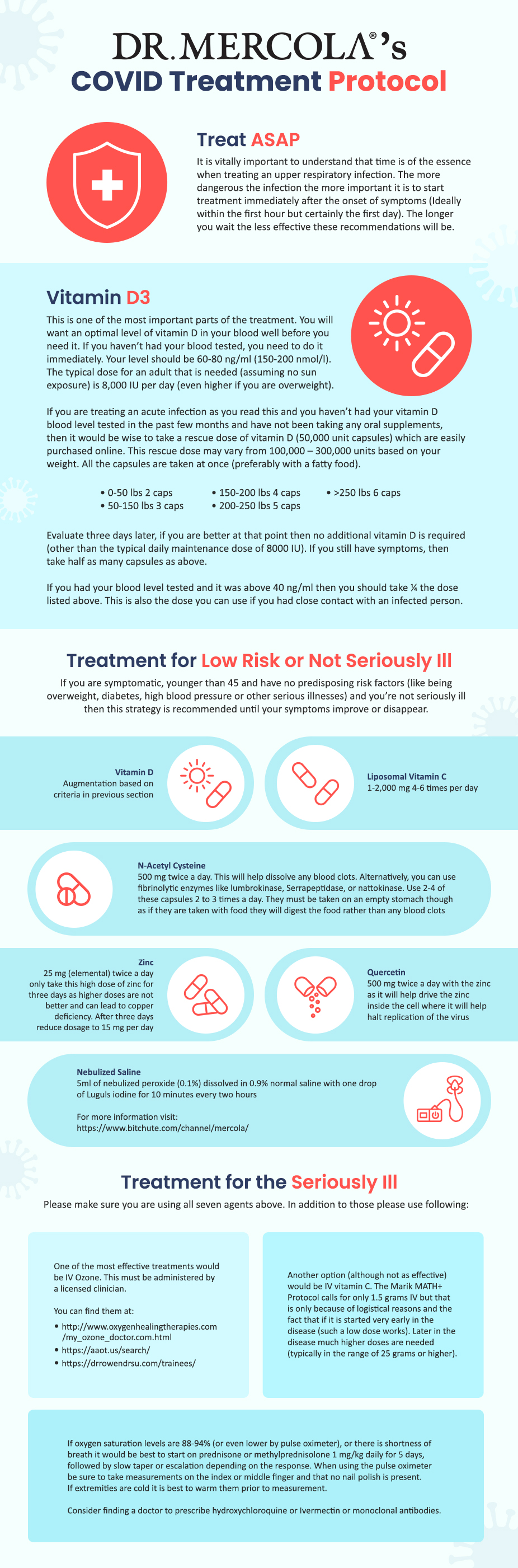
dr mercola covid treatment protocol

Household or close contacts of COVID-19 patients may take ivermectin (18 milligrams, then repeat the dose in 48 hours) for post-exposure prevention.34 Whether ivermectin’s potential as an anticancer agent will be stifled the same way it was for COVID-19 remains to be seen, but it appears to be a compound that’s worth watching as a potential powerful agent in the fight against cancer.

Australian Children Are Dying Post-Covid Injection

Reproduced from original The Exposé article:
https://expose-news.com/2022/05/11/australian-children-are-dying-post-covid-injection

By:  on May 11, 2022


During a 17-day period in March 2022: 2 boys aged 6 and 7; and, a 9-year-old girl died after being injected with Pfizer’s “vaccine” – and there are many more victims. Up to 10 April the Australian Therapeutic Goods Administration (“TGA) received around 1,200 adverse reaction reports to Covid injections in children aged 5-11.

The first sentence on the TGA’s website for Covid-19 vaccines safety information states: “We will rigorously assess any Covid-19 vaccine for safety, quality and effectiveness before it can be supplied in Australia.”

And another TGA page ‘Covid-19 vaccine safety monitoring and reporting’ begins: “The Therapeutic Goods Administration (TGA) is responsible for monitoring the safety of all vaccines approved for use in Australia. We closely assess safety data prior to approval, and continue to monitor the safety of vaccines after they are registered in Australia so that we can detect and respond to any safety concerns. This is known as ‘pharmacovigilance’.”

After reading this article do you believe the TGA is living up to its responsibilities?


The Exposé is now censored by Facebook & Twitter. Let’s not lose touch, subscribe today to receive the latest news from The Exposé in your inbox…

Follow The Exposé on Telegram
Join The Exposé’s Telegram Discussion Group


You can access the Australian Therapeutic Goods Administration: Covid-19 vaccine weekly safety reports HERE.  And you can search the Database of Adverse Event Notifications HERE.

The latest summary of adverse events was published by the TGA on 5 May 2022. It shows that 124,669 adverse events post-Covid injection have been reported – a rate of 2.2 per 1,000 doses.  Regarding Pfizer injections given to children the TGA states:

“To 1 May 2022, we have received about 4,112 reports … in 12-17-year-olds. The most commonly reported reactions are chest pain, headache, dizziness, nausea and fever … we have received about 1,311 reports from … Comirnaty (Pfizer) doses administered in [5 to 11-year-olds]. The most common reactions reported included chest pain, vomiting, fever, headache and abdominal pain.

“ATAGI [Australian Technical Advisory Group on Immunisation] advises that people who develop myocarditis attributed to their first vaccine dose should defer further doses of an mRNA Covid-19 vaccine and discuss this with their treating doctor.”

As of 27 April 2022, the latest information publicly available on the Database of Adverse Events Notification (“DAEN”), there had been 839 reports where death was the outcome post-injection.

DAEN as of 27 April 2022 Comirnaty (Pfizer) Type not specified (TNS) Vaxzevera (AstraZeneca) Nuvaxovid (Novavax) Spikevax (Moderna) Total
Number of reports (cases) 71,969 538 46,533 615 5,787 125,442
Number of cases with a single suspected medicine 70,404 507 45,586 597 5,614 122,708
Number of cases where death was a reported outcome 337 25 461 0 16 839
Source: Database of Adverse Event Notifications – Medicines, Search

Searches on DAEN’s published database are cumbersome as their site does not provide for filters, or a combination of filters, by age or “where death was reported as the outcome.”  The site does not allow for the download of data and, currently, its “PDF generation of search results has temporarily been disabled.”

DAEN Medicines PDF Generation, retrieved 11 May 2022

It is therefore incumbent on the researcher to scroll, line by line, one Covid “vaccine” manufacturer at a time, through many thousands of records to find, and then manually collate, records that fit both criteria: age and where death was the outcome.  However, an Exposé reader posted the following extracts from the database as a comment below one of our articles. The information relates to DAEN as of 14 April 2022 and relates to Pfizer’s Covid injection only.

By An Exposé Reader

[Please note we have not verified the information in our reader’s comment but feel we have provided sufficient links above to where the information can be found for you to search DAEN’s database and verify for yourself.  For the sake of your children we urge you to do so.]

During a 17-day period in March 2022: 2 boys aged 6 and 7; and, a 9-year-old girl died after being injected with Pfizer “vaccines,” and many more have too. Up to 10 April the TGA received around 1,200 suspected adverse reaction reports to Covid injections in children aged 5-11.

We are carefully monitoring and reviewing reports of:
• myocarditis and pericarditis following mRNA vaccines, particularly in younger age groups
• thrombosis with thrombocytopenia syndrome (TTS), Guillain-Barre syndrome (GBS) and immune thrombocytopenia (ITP) following Vaxzevria (AstraZeneca).

The TGA is also closely monitoring adverse event reports in 5-11-year-olds. To 10 April 2022, we have received about 1,200 reports … in this age group. The most common reactions reported included chest pain, vomiting, fever, headache and shortness of breath. We have received 25 reports of suspected myocarditis and/or pericarditis in this age group. Following review of information in the reports, one was likely to represent myocarditis in a 9-year-old boy. Another 5 reports were likely to represent pericarditis when assessed against internationally accepted criteria for this condition.

There have been no deaths in children, adolescents or younger adults determined to be linked to Covid-19 vaccination.

TGA: COVID-19 vaccine weekly safety report – 14-04-2022

Included below is a selection of reports received by the TGA in children 5-11 in data for the last 9 days.  The data on the (“DAEN”) is two weeks behind.

It is important to note that between 24 March and 2 April the TGA also added 180 reports to the DAEN after having had a Pfizer injection that did not include the age of the victim. This list could, potentially, be a lot worse if the TGA were better at passive post-market safety surveillance.

All of the case reports below were reported post-Pfizer Covid injection. Again, this is just a sampling of suspected adverse reaction reports received by the TGA in children aged 5-11 in a 9-day period.

Case No. Case Details
 723761 24/3 10-year-old male – periorbital swelling, rash erythematous.
 723850 24/3 9-year-old male – appendicitis.
 723937 25/3 6-year-old female – chest pain, electrocardiogram, palpitations.
 724023 25/3 9-year-old female – cardiac arrest – THIS REPORT HAD AN OUTCOME OF DEATH.
 724316 25/3 10-year-old female – chest pain, electrocardiogram abnormal, pericarditis.
 724342 26/3 6-year-old male – tachycardia, tremor.
 724428 26/3 8-year-old female – menstrual disorder, SARS-CoV-2 test positive.
 724675 28/3 9-year-old female – fatigue, pain in extremity, product administered to the patient of inappropriate age, vac
 724823 28/3 8-year-old female – abdominal pain, cutaneous vasculitis, decreased appetite, epistaxis, haematuria, infl …
 724827 28/3 10-year-old female – dizziness, muscle spasms, pallor.
 724835 28/3 no age female – hallucination.
 724852 28/3 8-year-old female – incorrect dose administered, pain in extremity, vaccination error.
 724925 28/3 6-year-old male – adverse event following immunisation – THIS REPORT HAD AN OUTCOME OF DEATH.
 724939 29/3 11-year-old male – abdominal pain, chest pain, chest x-ray, chills, dyspnoea, dysuria, electrocardiogram,
 724940 29/3 9-year-old male – chest pain, electrocardiogram normal, electrocardiogram, myocarditis, troponin increase
 724941 29/3 7-year-old male – chest pain, dyspnoea, electrocardiogram, headache, painful respiration, pericarditis, t
 725234 29/3 10-year-old female – carditis, chest pain, lethargy, palpitations, SARS-CoV-2 antibody test positive.
 725282 29/3 11-year-old female – dyspnoea, tachycardia.
 725354 30/3 9-year-old female – seizure.
 725359 30/3 8-year-old female – chest pain, chest x-ray, abdominal diabetic ketoacidosis, dyspnoea, electrocardiogram
 725360 30/3 5-year-old female – swelling face.
 725530 30/3 9-year-old male – chronic convulsion, lethargy, muscular weakness, mydriasis, postictal state, vomiting.
 725615 30/3 8-year-old male – erythema, lymphadenopathy.
 725946 31/3 11-year-old female – seizure.
 725983 31/3 10-year-old female – joint instability.
 725987 31/3 10-year-old female – chest pain, palpitations.
 725989 31/3 7-year-old male – Fibrin D dimer increased, headache, lethargy, myalgia, palpitations, tachycardia.
 725996 31/3 4-year-old female – acute lymphocytic leukaemia.
 725999 31/3 5-year-old male – asthma.
 726002 31/3 10-year-old male – appendicitis.
 726005 31/3 10-year-old male – expired product administered, vaccination error.
 726013 31/3 6-year-old female – expired product administered, vaccination error.
Information provided by An Exposé Reader
Australian Children Are Dying Post-Covid Injection

COVID Pills Cause Deadly Relapses and Supercharge Mutations


Reproduced from original article:
https://articles.mercola.com/sites/articles/archive/2022/05/11/remdesivir-paxlovid-molnupiravir.aspx?
The original Mercola article may not remain on the original site, but I will endeavor to keep it on this site as long as I deem it to be appropriate, and will not be bullied into removing it.


Analysis by Dr. Joseph Mercola     Fact Checked     May 11, 2022

remdesivir paxlovid molnupiravir

STORY AT-A-GLANCE

  • So far, all of the drugs developed against COVID-19 have been disastrous in one way or another. Remdesivir, which to this day is the primary COVID drug approved for use in U.S. hospitals, routinely causes severe organ damage and, often, death
  • Despite that, the U.S. Food and Drug Administration has approved remdesivir for in-hospital and outpatient use in children as young as 1 month old
  • Another COVID drug, Paxlovid, will in some cases cause the infection to rebound when the medication is withdrawn
  • Molnupiravir (sold under the brand name Lagevrio) also has serious safety concerns. Not only might it contribute to cancer and birth defects, it may also supercharge the rate at which the virus mutates inside the patient, resulting in newer and more resistant variants
  • The fact that U.S. health authorities have focused on these drugs to the exclusion of all others, including older drugs with high rates of effectiveness and superior safety profiles, sends a very disturbing message. They’ve basically become extensions of the drug industry, protecting the drug industry’s interests at the cost of public health

So far, all of the drugs developed against COVID-19 have been disastrous in one way or another. Remdesivir, for example, which to this day is the primary COVID drug approved for use in U.S. hospitals,1 routinely causes severe organ damage2,3,4,5 and, often, death.

Despite its horrible track record, the U.S. government actually pays hospitals a 20% upcharge for sticking to the remdesivir protocol, plus an additional bonus.6,7,8 Hospitals must also use remdesivir if they want liability protection.

Incentives like these have turned U.S. hospitals into veritable death traps, as more effective and far safer drugs are not allowed, and hospitals are essentially forced to follow the recommendations of the U.S. Centers for Disease Control and Prevention. As reported by Forbes science reporter JV Chamary back in January 2021, in an article titled, “The Strange Story of Remdesivir, a COVID Drug That Doesn’t Work”:9

“Remdesivir is an experimental drug developed by biotech company Gilead Sciences (under the brand name Veklury) in collaboration with the US Centers for Disease Control and Army Medical Research Institute of Infectious Diseases …

The drug proved ineffective against the Ebola virus … yet was still subsequently repurposed for SARS-CoV-2 coronavirus. News media prematurely reported that patients were responding to treatment.

But the published data10 later showed that ‘remdesivir was not associated with statistically significant clinical benefits [and] the numerical reduction in time to clinical improvement in those treated earlier requires confirmation in larger studies’ …

What’s weird about remdesivir is that it hasn’t been held to the same standards as other drug candidates. Normally, a drug is only approved for use by a regulatory body like the U.S. Food and Drug Administration if it meets the two criteria for safety and efficacy.

Nonetheless, in October 2020, remdesivir was granted approval by FDA based on promising data from relatively small trials with about 1,000 participants. A large-scale analysis11 by the World Health Organization’s Solidarity trial consortium has cleared-up the confusion.

Based on interim results from studying more than 5,000 participants, the international study concluded that remdesivir ‘had little or no effect on hospitalized patients with COVID-19, as indicated by overall mortality, initiation of ventilation, and duration of hospital stay.’ As a consequence of being mostly ineffective, WHO recommends against the use of remdesivir in COVID-19 patients.”

Shockingly, US Approves Remdesivir for Babies

Curiously, while Big Tech — aided and abetted by the U.S. government — has spent the last two years censoring and banning any information that doesn’t jibe with the opinions of the WHO, the U.S. government has completely ignored the WHO’s recommendation against remdesivir.

In fact, in late April 2022, the FDA approved remdesivir as the first and only COVID-19 treatment for children under 12, including babies as young as 28 days,12 which seems beyond Orwellian and crazy considering it’s the worst of both worlds: It’s ineffective AND has serious side effects.

What’s worse, the drug is also approved for outpatient use in children, which is a first. In an April 30, 2022, blog post,13 Dr. Meryl Nass expressed her concerns about the FDA’s approval of remdesivir for outpatient use in babies, stating:

“Remdesivir received an early EUA (May 1, 2020) and then a very early license (October 22, 2020) despite a paucity of evidence that it actually was helpful in the hospital setting. A variety of problems can arise secondary its use, including liver inflammation, renal insufficiency and renal failure14 …

WHO recommended against the drug on November 20, 2020. Few if any other countries used it for COVID apart from the US. A large European trial15 in adults found no benefit. The investigators felt 3 deaths were due to remdesivir (0.7% of subjects who received it.) However, on April 22, 2022 the WHO recommended the drug for a new use: early outpatient therapy in patients at high risk of a poor COVID outcome.”

Remdesivir — A Reckless Choice for Children

Nass goes on to recount how monoclonal antibody treatment centers have been turned into outpatient treatment centers using remdesivir instead, but we still don’t have a lot of data on its effectiveness in early treatment. She continues:16

“The FDA just licensed Remdesivir for children as young as one month old. Both hospitalized children and outpatients may receive it. The drug might work in outpatients, but the vast majority of children have a very low risk of dying from COVID.

If 7 deaths per 1,000 result from the drug, as the European investigators thought in the study of adults cited above, it is possible it will harm or kill more children than it saves.

Shouldn’t the FDA have waited longer to see what early outpatient treatment did for older ages? Or studied a much larger group of children? Very little has been published on children and remdesivir …

When we look at the press release17 issued by Gilead, we learn the approval was based on an open label, single arm trial in 53 children, 3 of whom died (6% of these children died); 72% had an adverse event, and 21% had a serious adverse event.”

Overall, remdesivir appears to be an exceptionally risky treatment choice for young children. Certainly, there are safer early treatment protocols that are very effective. Two other COVID drugs, Paxlovid and Molnupiravir, also have serious safety concerns.

Post-Paxlovid COVID Rebound

As reported by Bloomberg,18 COVID patients treated with a five-day course of Paxlovid sometimes experience severe rebound when the medication is withdrawn.19 U.S. government researchers are now planning to study the rate and extent to which the drug is causing SARS-CoV-2 infection to rebound, and whether a longer regimen might prevent it.

Bloomberg describes the post-Paxlovid rebound of David Ho, a virologist at the Aaron Diamond AIDS Research Center at Columbia University:20

“Ho said he came down with COVID on April 6 … His doctor prescribed Paxlovid, and within days of taking it, his symptoms dissipated and tests turned negative. But 10 days after first getting sick, the symptoms returned and his tests turned positive for another two days.

Ho said he sequenced his own virus and found that both infections were from the same strain, confirming that the virus had not mutated and become resistant to Paxlovid. A second family member who also got sick around the same time also had post-Paxlovid rebound in symptoms and virus, Ho says.

‘It surprised the heck out of me,’ he said. ‘Up until that point I had not heard of such cases elsewhere.’ While the reasons for the rebound are still unclear, Ho theorizes that it may occur when a small proportion of virus-infected cells may remain viable and resume pumping out viral progeny once treatment stops.”

Clinical Director of the Division of Infectious Diseases at Brigham and Women’s Hospital, Dr. Paul Sax, told Bloomberg:21

“Providers who are going to be prescribing this should be aware that this phenomenon occurs, and if people have symptoms worsening after Paxlovid, it’s probably still COVID. The big problem is that when this drug was released, this information wasn’t included [on the label].”

Pfizer Defends Paxlovid

The U.S. Food and Drug Administration has stated it is “evaluating the reports of viral load rebound after completing Paxlovid treatment and will share recommendations if appropriate.” The U.S. Centers for Disease Control and Prevention has not yet commented on the findings.

Pfizer, meanwhile, insists the increase in viral load post-treatment “is unlikely to be related to Paxlovid” because viral rebound was found in “a small number” of both the treatment and placebo groups in Pfizer’s final-stage study.22 Clifford Lane, deputy director for clinical research at the National Institute of Allergy and Infectious Diseases (NIAID), told Bloomberg23 that some people may simply “need longer dosing of Pfizer’s drug than the standard five days.”

“There’s two things that suppress the virus: the drug and the host immune response,” he said. “If you stop the drug before the host immune response has had a chance to kick in, you may see the virus come back.”

Molnupiravir Supercharges Viral Mutation

Molnupiravir (sold under the brand name Lagevrio) also has serious safety concerns. This drug was developed by Merck and Ridgeback Therapeutics and approved for emergency use by the FDA December 23, 2021, for high-risk patients with mild to moderate COVID symptoms.

However, not only might it contribute to cancer and birth defects, it may also supercharge the rate at which the virus mutates inside the patient, resulting in newer and more resistant variants.24 As reported in November 2021 by Forbes contributor and former professor at Harvard Medical School, William Haseltine, Ph.D.:25

“… I believe the FDA needs to tread very carefully with molnupiravir, the antiviral currently before them for approval. My misgivings are founded on two key concerns.

The first is the drug’s potential mutagenicity, and the possibility that its use could lead to birth defects or cancerous tumors. The second is a danger that is far greater and potentially far deadlier: the drug’s potential to supercharge SARS-CoV-2 mutations and unleash a more virulent variant upon the world …

My concern with molnupiravir is because of the mechanism26 by which this particular drug works. Molnupiravir works as an antiviral by tricking the virus into using the drug for replication, then inserting errors into the virus’ genetic code once replication is underway. When enough copying errors occur, the virus is essentially killed off, unable to replicate any further …

But my biggest concern with this drug is … molnupiravir’s ability to introduce mutations to the virus itself that are significant enough to change how the virus functions, but not so powerful as to stop it from replicating and becoming the next dominant variant.”

Haseltine cites prepandemic experiments showing MERS-CoV and the mouse hepatitis virus (MHV) both developed resistance against the drug, thanks to mutations that occurred. While the central idea behind the drug is that the genetic errors will eventually kill the virus, these experiments showed the viruses were in fact able to survive and replicate to high titers despite having large numbers of mutations throughout their genomes.

The drug did slow down replication, but as noted by Haseltine, “outside of the lab, as the drug is given to millions of people with active infections, this disadvantage may quickly disappear as we would likely provide a prime selection environment to improve the fitness of the virus.” This risk may be particularly high if you fail to take all the prescribed doses (typically 800 milligrams twice a day for five days).

Experts Question Usefulness of Molnupiravir

More recently, in a January 10, 2022, article, Newsweek cited concerns by professor Michael Lin of Stanford University:27

“’I am very concerned about the potential consequences now that molnupiravir has been approved … It would only be a matter of time, perhaps a very short time, before a lucky set of mutations occurs to create a variant that is more transmissible or immunoevasive …

The drug simply speeds up that natural process. The hope is that over enough days all the viral copies will have so many mutations that none of the copies can function.’ But Lin said he was concerned that in the real world, there is a possibility that a mutated virus could jump from a patient taking molnupiravir to another individual, citing the relatively modest efficacy of the drug.

‘For cases that get worse so that people have to go to the hospital, this drug only prevents that from happening 30%of the time. That means 70% of the time the virus isn’t being eliminated quickly enough to make a difference. And we know COVID patients going to hospitals are highly contagious.’

Lin said the risks could be heightened when a patient does not comply exactly with the dosing schedule of the drug … ‘In any of those situations viruses will have picked up some mutations but not enough to kill all the virus copies,’ he said. ‘The survivors are now mutated, perhaps have picked up immunoevasion, and can go on to infect others’ …

According to Lin, the ‘very low efficacy alone’ should have disqualified the drug from approval … ‘Even if the drug were great we wouldn’t take such a risk, but this drug is worse than any other drug that’s sought approval for COVID-19. It’s completely not worth it.’”

Haseltine also told Newsweek28 that, “Of all the antiviral drugs I have ever seen, this is by far the most potentially dangerous,” and “The more people that take it, the more dangerous it will be.”

Even if the probability is very low, 1 in 10,000 or 100,000, that this drug would induce an escape mutant which the vaccines we have do not cover, that would be catastrophic for the whole world. ~ James Hildreth, president of Meharry Medical College

One of the FDA panel members who actually voted against the approval of molnupiravir, James Hildreth, president of Meharry Medical College in Tennessee, wanted Merck to do a better job of quantifying the risk of mutations before approval. During the panel meeting, he noted that:29

“Even if the probability is very low, 1 in 10,000 or 100,000, that this drug would induce an escape mutant which the vaccines we have do not cover, that would be catastrophic for the whole world.”

Government Has Sold Out to Big Pharma

Widespread use of a drug that turbocharges mutation of an already rapidly mutating virus probably isn’t the wisest strategy. Likewise, using drugs that cause high rates of organ failure, like remdesivir, and drugs that causes the virus to rebound with a vengeance, like Paxlovid, don’t seem to be in the best interest of public health either.

The fact that U.S. health authorities have focused on these drugs to the exclusion of all others, including older drugs with high rates of effectiveness and superior safety profiles, sends a very disturbing message.

They’ve basically become extensions of the drug industry and have abandoned their original purpose, which is to protect public health — by ensuring the safety and efficacy of drugs, in the case of the FDA,30 and by conducting critical science and data analysis in the case of the CDC.31

Instead, they seem to be doing everything they can to protect Big Pharma profits, even if it costs you your life. Remdesivir, for example, is an extremely expensive drug, costing between $2,340 and $3,120 depending on your insurance.32

Ivermectin, meanwhile — which has been very effective against COVID and shown to outperform at least 10 other drugs, including Paxlovid33 — costs between $4834 and $9435 for 20 pills depending on your location. The average cost is said to be about $58 per treatment.36

Paxlovid costs $529 per five-day course of treatment,37 and molnupiravir is around $700.38 While not quite as expensive as remdesivir, both are still nearly 10 times costlier than ivermectin, which is more effective. Paxlovid alone has cost U.S. taxpayers $5.29 billion. Just imagine the billions we could have saved had we saner leadership.

Since the FDA and CDC cannot be trusted, it’s imperative to take responsibility for your own health. Do your own research and follow your own conscience and conviction. Remember, when it comes to COVID-19, early treatment is crucial, and effective protocols are readily available — just not from the FDA, CDC or even most hospitals.

For a refresher, check out Dr. Pierre Kory’s interview with Chris Martenson. You can also find many other articles describing early treatment protocols by searching through my Substack archive.

– Sources and References

Antibody-Dependent Enhancement: Covid-19 Case/Hospitalisation/Death Rates now highest among Triple Vaccinated in Trudeau’s Canada

Reproduced from original The Exposé article:
https://dailyexpose.uk/2022/05/11/covid-death-rates-highest-triple-vacinated-canada/

By:  on MAY 11, 2022

Despite the Government enforcing Draconian restrictions which have in turn coerced millions into getting the Covid-19 injections, since the turn of the year the country of Canada has experienced its largest wave of Covid-19 cases, hospitalisations and deaths to date.

If only those “selfish” people who refused to obey the Canadian Government and its Medical/Scientific Advisors had actually done as they were told and got vaccinated, then maybe this would never have happened.

That’s what the mainstream media and Government of Canada will be telling the public anyway. But it’s not what the official data shows. This record-breaking number of cases, hospitalisations and deaths has actually been a pandemic of the fully vaccinated, and not just because the majority are vaccinated either.

Official Government of Canada data shows that the vaccinated population as a whole has accounted for 4 in every 5 Covid-19 cases, hospitalisations and deaths from 21st February 2022, up to 17th April (the latest dataset). But it also shows the case/hospitalisation/death-rates per 100,000 population have been highest among the triple vaccinated during the same time frame.

So high that the data shows the triple vaccinated are on average 4 times more likely to be infected with Covid-19, 2 times more likely to be hospitalised with Covid-19, and 3 times more likely to die of Covid-19 than the unvaccinated.


The Exposé is now censored by Facebook & Twitter. Let’s not lose touch, subscribe today to receive the latest news from The Exposé in your inbox…

Follow The Exposé on Telegram
Join The Exposé’s Telegram Discussion Group


The Government of Canada publishes a document titled – ‘Covid-19 Daily Epidemiology Update’ which can be viewed here.

The document contains data on cases, hospitalisations and deaths by vaccination status in ‘Figure5.’. Here’s the latest table showing cases, hospitalisations and deaths up to 17th April 2022 –

At first glance at these figures, it appears the Covid-19 injections have been incredibly successful. But the Government of Canada has been very clever in the way it presents these figures because it has chosen to show a tally that stretches all the way back to 14th December 2020, the first day a Covid-19 injection was administered in the country.

This is clever because it includes a huge wave of cases, hospitalisations and deaths across Canada that occurred in January 2021 when just 0.3% of the population was considered fully vaccinated.

But thankfully we can look at the figures given in a previous report that has been archive in the ‘Way Back Machine’ and perform simple subtraction to calculate the true number of Covid-19 cases, hospitalisations and deaths by vaccination status in this record-breaking wave.

The following table, taken from a previous ‘Covid-19 Daily Epidemiology Update’, shows the number of cases, hospitalisations and deaths by vaccination status across Canada between 14th December 2020 and 20th February 2022 –

Now we know those figures we can easily calculate the true figures by vaccination status between 21st February and 17th April 2022, a period of two months, and the following chart shows the true number of cases –

Over these two months, the Government of Canada recorded a total of 222,028 Covid-19 cases, and the vaccinated population accounted for 193,320 of them. The triple vaccinated made up 112,231 of these cases, and the double vaccinated made up 75,977. The unvaccinated only accounted for 28,708 cases.

This clearly shows the Covid-19 injections do not prevent infection. However, you may be thinking this is to be expected if so many people are vaccinated. But think again.

The population of Canada is 38.01 million. In the two tables above taken from the Government of Canada reports, they provide the number of people who have been vaccinated. Now the numbers obviously differ over a period of two months so we’ve taken the numbers and gone with the mid-point for each vaccination category, and we are left with as follows –

  • Unvaccinated: 13.06 million people
  • One Dose Vaccinated: 1.25 million people
  • Two Dose Vaccinated: 10.7 million people
  • Three Dose Vaccinated: 13 million people

Now that we know the population size of each vaccination status we can calculate the case-rates per 100,000 individuals. All we have to is divide each population size by 100,000; then divide the cases among each vaccination status by the answer to that equation.

E.g:
13.06 million Unvaccinated / 100,000 = 130.6
28,708 Unvaccinated cases / 130.6 = 219.82 cases per 100,000

The following chart shows the vaccinated case-rates per 100,000 by vaccination status across Canada between 21st Feb and 17th April 2022 –

This data shows that the unvaccinated are the least likely to be infected, suggesting the vaccines increase a persons risk of infection. In fact, the data suggests the more doses of a Covid-19 injection you have, the more your risk of being infected increases.

The one-dose vaccinated are twice as likely to be infected with Covid-19 than the unvaccinated. The double vaccinated are 3x more likely to be infected with Covid-19 than the unvaccinated, and the triple jabbed are 4 times more likely to be infected with Covid-19 than the unvaccinated.

Unfortunately, things do not improve when it comes to hospitalisations either.

The following chart shows the number of Covid-19 hospitalisations across Canada by vaccination status between 21st Feb and 17th April 2022 –

Over these two months, the Government of Canada recorded a total of 12,769 Covid-19 hospitalisations, and the vaccinated population accounted for 9,576 of them. The triple vaccinated made up 5,541 of these hospitalisations, and the double vaccinated made up 3,585.

Here’s how those figures work out in terms of hospitalisations per 100,000 population by vaccination status –

The unvaccinated population are the least likely to be hospitalised with a rate of 24.45 hospitalisations per 100,000 population. Whereas the triple vaccinated population are the most likely to be hospitalised with a rate of 42.62 hospitalisations per 100,000 population.

This data shows that the triple jabbed are twice as likely to be hospitalised with Covid-19 as the unvaccinated. Is there any wonder Canada has recorded its largest waves of Covid-19 hospitalisations to date throughout 2022?

Things unfortunately get even worse when it comes to deaths.

The following chart shows the number of Covid-19 deaths across Canada by vaccination status between 21st Feb and 17th April 2022 –

Over these two months, the Government of Canada recorded a total of 1,416 Covid-19 deaths, and the vaccinated population accounted for 1,144 of them. The triple vaccinated made up 709 of these deaths, and the double vaccinated made up 435. The unvaccinated accounted for just 272 deaths.

Here’s how those figures work out in terms of deaths per 100,000 population by vaccination status –

This data actually shows that the partly vaccinated are the least likely to die, with the unvaccinated not very far behind at a rate of 2.08 deaths per 100,000. Unfortunately though, the triple vaccinated are the most likely to die with a death-rate of 5.45 per 100,000; closely followed by the double jabbed who have a death-rate of 4.07 per 100,000.

This means that compared to the unvaccinated, the double vaccinated are twice as likely to die of Covid-19, and the triple vaccinated are 3x as likely to die of Covid-19.

In all, between 21st Feb and 17th April 2022 the vaccinated population accounted for 87% of Covid-19 cases, 75% of hospitalisations and 81% of deaths across Canada.

The question is why? Those with their head in the sand will argue that it is because a large number of people are vaccinated. Technically they are correct, but not for the reason they think.

The Government of Canada data suggests that there would have been less cases, less hospitalisations, and less deaths in 2022 so far if the vaccinated had remained unvaccinated. Instead the country has suffered its largest waves of cases, hospitalisations and deaths since the beginning of the pandemic in March 2022.

The triple vaccinated population are on average 4x more likely to be infected, 2x more likely to be hospitalised, and 3x more likely to die of Covid-19 than the unvaccinated. Not because there’s more of them, and not because the injections don’t work. It’s because, as this data strongly suggests, the Covid-19 injections make recipients worse and cause Vaccine-Associated Enhanced Disease (VAED) and Antibody Dependent Enhancement (ADE).

But it’s not like the Government of Canada didn’t know it would happen. Pfizer admitted as much in its ‘CUMULATIVE ANALYSIS OF POST-AUTHORIZATION ADVERSE EVENT REPORTS’ published April 2021.

7-Year-Old Boy Dies from Heart Attack After Pfizer Injection

Reproduced from original The Exposé article:
https://dailyexpose.uk/2022/05/10/7-year-old-boy-dies-from-pfizer-injection/

By:  on May 10, 2022


On 16 February 2022, a 7-year-old boy in Seattle Washington died from a heart attack with blood clots in his coronary artery and liver.  He died 13 days after being injected with a Pfizer “vaccine.” 

He suffered shock and cardiac arrest. He could not be resuscitated and died in the emergency department, APAR TV reported.  His death was recorded on the US VAERS database.

APAR’s article continued: “A CDC-funded study published [7 March 2022] in The Lancet concludes that most of the Covid vaccine-related adverse events reported during the first six months of the U.S. deployment were “mild and short-lived,” despite the thousands of deaths reported to VAERS.”

“Jessica Rose, PhD, attempted to replicate the lancet authors’ findings through independent analysis of VAERS data. Although it filtered the database using three different dates, it could not replicate the results of the Lancet study.”


The Exposé is now censored by Facebook & Twitter. Let’s not lose touch, subscribe today to receive the latest news from The Exposé in your inbox…

Follow The Exposé on Telegram
Join The Exposé’s Telegram Discussion Group


Dr. Jessica Rose, a Canadian researcher, reviewed the VAERS record for the 7-year-old victim.  On her Substack, she listed his symptoms as shown in the database:

“Atrioventricular block, Blood glucose normal, Blood lactic acid, Brain natriuretic peptide increased and Carbon dioxide decreased. He suffered a cardiac arrest. They tried to resuscitate him but it didn’t work. He died in the emergency department. They said he had arrived there listless and lethargic.”

This little boy had no history of illness and was not on any medication, Dr. Rose noted, “there is no other logical explanation for his death other than the shot.”

“Something happened to destroy his little heart within less than 2 weeks of getting injected with this p-fizer garbage. He must have been very uncomfortable for those 2 weeks. 7 years old. I remember being 7. I couldn’t imagine if I was having chest pain at that age that I ever would have even told my parents or even known it was strange. Especially since there is absolutely no way that the injection he was given could possibly cause chest pain, lethargy, listlessness or death,” she wrote.

Our thoughts and prayers are with his family.

Sources:

7-Year-Old Boy Dies from Heart Attack After Pfizer Injection