Brain
now browsing by category
The gut and the brain are not separate, they work together for optimal health.
Medicinal food combats Alzheimer’s disease and dementia, new study reveals
Reproduced from original article:
www.naturalhealth365.com/alzheimers-disease-medicinal-food-3839.html
by: Lori Alton, staff writer | May 21, 2021
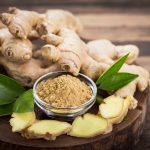 (NaturalHealth365) The “graying of America” has led to soaring rates of Alzheimer’s disease, an age-related neurodegenerative condition that currently affects 6.2 million adults in the United States. And, there is worse to come. According to the Alzheimer’s Association, the incidence of Alzheimer’s disease and dementia doubles every 10 years after the age of 60 – leading experts to predict that cases of cognitive decline will skyrocket to 13.8 million by the year 2050.
Conventionally speaking, there is currently no cure for Alzheimer’s disease, characterized by deep deficiencies of memory and impaired cognitive function. And, while Western medicine attempts to ease symptoms with pharmaceutical medications such as cholinesterase inhibitors, the general ineffectiveness and side effects of these drugs have caused researchers to search for novel, natural therapies with multi-targeted potential. But, now, an exciting new review indicates that ginger combats Alzheimer’s disease. Let’s look at how this medicinal food can fight Alzheimer’s disease through multiple action methods.
BIG NEWS: Ginger constituent works against biomarkers and triggers of Alzheimer’s disease
In a sweeping new review published in January 2021 in Biomedicine and Pharmacotherapy, the authors evaluated cell, animal, and human studies involving ginger and its constituents – such as gingerols, shogaol, and borneol.
While many of ginger’s compounds have protective effects on the brain, the reviewers reported that one in particular – 6-gingerol – seemed to prevent aberrations in amyloid-beta proteins and act against cellular damage.
This is exciting news – as Alzheimer’s disease can occur when abnormal amyloid-beta proteins accumulate into “plaques,” which in turn can cause the death of brain cells (neurons). Abnormal amyloid-beta proteins are also associated with aberrations (phosphorylations) in another group of brain proteins known as tau. This can lead to the creation of snarled neurofibrillary filaments known as “tau tangles,” which can increase the risk of Alzheimer’s disease. (In fact, scientists have noted that there is a strong connection between levels of phosphorylated tau in the cerebrospinal fluid and the decline of cognitive function in Alzheimer’s disease).
Misfolded amyloid-beta proteins can have other negative effects as well. Chronic exposure induces the release of inflammatory chemicals (interleukins) associated with Alzheimer’s.
Alzheimer’s disease and other forms of dementia may also be triggered by oxidative stress, inflammation, and reductions in important antioxidants such as superoxide dismutase and glutathione.
Researchers are learning exactly how ginger combats Alzheimer’s disease
Strongly anti-inflammatory, ginger helps to inhibit pro-inflammatory cytokines and reduce chronic inflammation. Ginger’s constituents are also potent antioxidants, helping reduce harmful free radicals that can damage amyloid-beta proteins.
In addition, the researchers noted that ginger constituents increase levels of superoxide dismutase and glutathione – the body’s most important antioxidant enzymes – in the liver.
“Studies have shown that existing phenolic compounds … including gingerols and shogaols have a neuroprotective effect in conditions affecting memory and the aging process,” the authors stated.
In an earlier study published in Pharmacology and Therapeutics in 2018, the researchers came to the same conclusion, reporting that ginger and its constituents improved “cognitive function by regulating amyloid-beta plaque-induced neuronal cell death and memory impairments.”
In both reviews, the researchers concluded by endorsing ginger as a “safe nutraceutical” that can be used to combat neurodegenerative disease.
Study shows ginger improves cognitive function in healthy, older adults
There’s more good news, courtesy of an earlier study highlighted by the newest review.
In 2011, researchers in Thailand examined the benefits of ginger on cognitive function in healthy middle-aged women. Sixty female participants, with an average age of 53, were randomly assigned to receive either a placebo or a standardized ginger extract – at either 400 mg or 800 mg a day – for two months.
The team found that the ginger-treated groups enjoyed significant enhancements in working memory. The daily 800-mg amount appeared to be most effective, with researchers noting that it improved the power of attention and the speed and quality of memory. They credited 6-gingerol with the therapeutic effects, noting that it increased levels of acetylcholine, a neurotransmitter essential for learning and memory. They also suggested that the strong antioxidant effects of gingerols and shogaols played a role.
Adding that no serious adverse effects were reported, the scientists credited ginger as a potential brain tonic to enhance cognitive functioning for middle-aged women.
Significantly, ginger seemed to play a role in helping to ward off mild cognitive decline, which can be a precursor to Alzheimer’s disease.
Ginger – a respected staple of Ayurvedic and Traditional Chinese Medicine healing systems – offers POWERFUL health benefits
Botanically known as Zingiber officinale, ginger has a long and venerable history as a medicinal herb. Since antiquity, ginger root has been used in Ayurveda for infantile colic, bronchitis, indigestion, and respiratory diseases. It has been utilized in China to support heart health, treat sore throats, vanquish infectious diseases, eliminate parasites and even ward off stroke. Perhaps most significantly, ginger has a long history of use in traditional Persian medicine to treat memory impairments and dementia.
Modern-day studies have shown that ginger not only protects the neurological system but the intestinal tract and liver as well. In addition, it helps to modulate the immune system – making it a potential intervention for autoimmune diseases – helps lower blood sugar and is antioxidative, anti-inflammatory, analgesic and anticancer. In addition to its other uses, ginger is commonly advised to ease nausea, indigestion, and motion sickness.
Ginger’s piquant taste makes it an ideal addition to everyday recipes
You can add grated fresh ginger root to soups, vegetables, and salads, or juice it and use it to add a little “zing” to a smoothie. You can also steep slices of the fresh root for a flavorful tea.
Supplementary ginger extract is available in capsules, with natural healers typically recommending amounts ranging from 400 mg to 2,000 mg a day. However, consult your integrative physician before using supplementary ginger.
Alzheimer’s disease, a devastating condition that robs elderly adults of their precious memories and cognition, is currently the sixth leading cause of death in the United States. The brand-new research, showing that ginger combats Alzheimer’s, couldn’t come at a better time. Let’s hope that the good news about its amazing potential to prevent and treat dementia is not overlooked by Western medicine.
Sources for this article include:
Landmark Study Shows Sardines Help Keep Diabetes Away

Reproduced from original article:
https://articles.mercola.com/sites/articles/archive/2021/05/17/sardines-and-diabetes.aspx
Analysis by Dr. Joseph Mercola Fact Checked May 17, 2021

STORY AT-A-GLANCE
- Researchers found people with prediabetes who ate two cans of sardines a week significantly lowered their risk of developing Type 2 diabetes; they lowered their insulin resistance and blood pressure and increased adiponectin
- Sardines are a fatty cold-water fish that are high in omega-3 fatty acids. Seek out cold water fatty fish low in toxins and contaminants such as herring, sardines, anchovies and wild-caught Alaskan salmon
- Omega-3 fats have a protective effect on your lungs and mitochondria, and may reduce inflammation, optimize muscle growth and improve metabolic syndrome
- The best way to know your level of omega-3 is through an omega-3 index test. Maintaining an optimal level of 8% or more can reduce your risk of heart disease and all-cause mortality
Type 2 diabetes is a metabolic condition that is affected by several factors, including the foods you eat and the amount of exercise you get. There are several significant consequences of Type 2 diabetes, including neuropathy, loss of sight, kidney disease and heart disease.1 Recent data2 show people who eat sardines may lower their risk of Type 2 diabetes.
Risk factors for Type 2 diabetes3 include being overweight, having a family member with Type 2 diabetes, being physically inactive and having been diagnosed with gestational diabetes (diabetes during pregnancy).
People with metabolic syndrome also have a higher risk of being diagnosed with diabetes. You may be diagnosed with metabolic syndrome if you have three of the five health conditions associated with the syndrome.4 These include high blood sugar, high blood pressure, high triglycerides, low levels of high-density lipoproteins (HDL) or a large waist circumference.
Prediabetes is a condition in which your blood sugar level is too high, but not high enough for Type 2 diabetes.5 Nearly 88 million adults in the U.S. have prediabetes, and a vast majority of those do not know they have it. Prediabetes also increases your risk of heart disease and stroke.
According to the National Institute of Diabetes and Digestive and Kidney Diseases,6 there are an estimated 34.2 million people in the U.S. with diabetes. This is 10.5% of the population. Nearly 7.3 million of those do not know they have diabetes. You may help reduce your potential risk of developing this condition by making dietary and exercise changes.
Two Sardines a Day May Keep Diabetes at Bay
One simple dietary change that may have a positive impact on your risk for diabetes may be adding sardines to your daily regimen. According to a 2021 study published in Clinical Nutrition,7 eating sardines consistently may have a protective effect against developing Type 2 diabetes.
The researchers enrolled 152 people who had a diagnosis of prediabetes and were at least 65 years old.8 In this study, they defined pre-diabetes as glucose levels between 100 and 124 milligrams per deciliter (mg/dL). The whole group was placed on a nutritional program to help reduce the risk of developing Type 2 diabetes.
They were then randomized into a control group and an intervention group, members of which consumed approximately two cans of sardines in olive oil each week. The participants were given instructions to eat the entire sardine without removing the bones and were given a list of recipes.
At the end of the year-long intervention, the researchers compared the risk of developing diabetes from the beginning of the study and the end of the study. In the control group, 27% were at high risk of developing Type 2 diabetes at the start of the study, which dropped to 22% at the end of one year with nutritional changes.9
However, in the sardine group, 37% were at high risk of developing Type 2 diabetes before the intervention began. At the end of one year, this dropped to 8%. The researchers also found there were other measurable parameters that improved in the group that consumed sardines each week.
These included a reduction in insulin resistance, a rise in HDL cholesterol and an increase in adiponectin, a hormone that accelerates the breakdown of glucose. They also measured a decrease in blood pressure and triglycerides.10
The study’s lead researcher believes sardines should be recommended as a food as opposed to separating the nutritional benefits from the fatty fish, which are rich in omega-3 fatty acids, calcium, vitamin D and taurine. She said:11
“Not only are sardines reasonably priced and easy to find, but they are safe and help to prevent the onset of Type 2 diabetes. It is easy to recommend this food during medical check-ups, and it is widely accepted by the population.
As we get older, restrictive diets (in terms of calories for food groups) can help to prevent the onset of diabetes … the results lead us to believe that we could obtain an equally significant preventive effect in the younger population.”

Sardines Are High in Omega-3 Fat
Sardines are a fatty fish, high in omega-3 fatty acids. After the data analysis, researchers stated they plan to study how sardines may affect the gut microbiome.12 Eating a diet high in omega-3 fats has demonstrated a protective effect on other health markers as well.
The rise in chronic inflammatory diseases in the past decades is likely associated with the introduction and current ubiquitous use of vegetable oils and processed foods high in omega-6 fatty acids.13 Although omega-3 and omega-6 fatty acids are essential for good health, a correct balance is required to be your healthiest.14
Many people consume far too many omega-6 fatty acids found in everything from french fries to frozen meals and salad dressings. Ideally, you want to maintain a ratio of 4-to-1 of omega-6 and omega-3 fats or less.15 Yet, this can be nearly impossible if you are regularly eating processed foods or restaurant fare.
In my view, one of the most hazardous fats in the human diet is omega-6 linoleic acid (LA). Processed vegetable oils are a primary source of LA, but animal foods such as chicken from concentrated animal feeding operations and farmed salmon also have a high amount thanks to the food they are fed, which is high in LA-rich grains.
As I discuss in “Why You Need More Omega-3,” there is evidence to suggest that an excessive amount of LA plays a role in many chronic diseases. Omega-3 fats are found in both plants and marine animals. However, they are different types of omega-3 and they are not interchangeable.16
Plant-based omega-3 fats are found in walnuts, leafy green vegetables, flaxseed and chia seeds.17 They contain short-chain alpha linoleic acid (ALA) and do not have the long chain docosahexaenoic acid (DHA) and eicosapentaenoic acid (EPA) found in marine animal-based omega-3.
Although ALA is a precursor to EPA and DHA, it requires an enzyme to convert. In most people, the conversion rate is exceptionally small, typically less than 1%.18 While the small amount of ALA you may eat is converted into the long-chain omega-3 fats your body requires, the process is highly inefficient and cannot supply nearly as much as consuming marine-based omega-3 fats high in DHA and EPA.
It is also important to carefully select your fish since only cold-water fatty fish have high levels of omega-3. Some examples include wild-caught Alaskan salmon, sardines, anchovies, mackerel and herring. It’s best to avoid farmed fish altogether for three reasons: first, because there’s an exaggerated potential for contamination;19 second, most farms feed the fish genetically engineered corn and soy;20 and third, the omega-6 fats fed to these fish are about 90% dangerous LA fat.
In other words, consuming these fish does not correct a high omega-6 to omega-3 ratio. In fact it contributes to it, since farmed salmon have only half the omega-3 of wild salmon21,22 and more than 5.5 times the amount of omega-6.23,24
Omega-3 Protects Your Lungs and Mitochondria
In addition to a protective effect against diabetes, omega-3 fatty acids help to protect your lungs and mitochondria. Researchers followed first responders after the September 11, 2001, attack on the Twin Towers in New York25 during which firefighters and paramedics were exposed to 10 million tons of caustic material released as the towers were reduced to rubble.26
Researchers from New York University School of Medicine undertook an analysis to determine if there were indications that some first responders may have had a greater risk than others of respiratory problems that occurred after exposure.
They measured metabolites,27 which are a natural byproduct of the breakdown of fat, protein and carbohydrates, and found there were 30 specific metabolites in first responders who had a lower incidence of obstructive airway disease. They also found those with lower levels of the metabolites had a higher risk of developing pulmonary disease.
One group of metabolites associated with a lower risk of lung injury were lipids.28 The researchers found that EPA in particular acts as a precursor for reducing inflammatory response and immune response to any injury and may have helped reduce the damage in first responders triggered by exposure to toxins.29
Another study in children living in Baltimore City30 also found evidence those who ate more foods with omega-3 had a lower asthmatic response to particulate matter pollution than children with lower levels of omega-3s. Conversely, children with higher levels of omega-6 had a higher percentage of neutrophils in response to pollution, which is a white blood cell marker of inflammation.
Your omega-3 levels may also affect mitochondrial function.31 Some of the more profound effects of mitochondrial disease are evident in the brain and muscle, including the heart. Your mitochondria are important in energy production and calcium signaling, as well as apoptosis and autophagy.
One animal study demonstrated there was a positive effect on mitochondrial function and neuroprotection with the administration of omega-3 fats.32 Another lab study showed omega-3 fat exposure to cells induced metabolic rate, thus increasing mitochondrial content in comparison to control cells.33
One of the signs of advancing age is remodeling of the cell membranes in the heart.34 An impact from this remodeling is mitochondrial function, which plays a role in sustaining energy production. Changes in the mitochondrial membrane are exacerbated by the presence of omega-6, but increasing omega-3 fat can help affect aging and facilitate mitochondrial energy production.
Your Omega-3 Index May Predict Mortality
A deficiency in EPA and DHA can leave you vulnerable to chronic disease. Optimizing your omega-3 levels is a foundational component to good health. However, there is no good way to know your omega-3 level without getting an Omega-3 Index test.
Your target Omega-3 Index is 8%.35 This is the typical level of people living in Japan where you’ll find the lowest rate of sudden heart death in the world. The highest risk is in people whose Index is 4% or lower. At this point there is no evidence to suggest the measurement is different for men, women or for different ages.
One study,36 published in January 2021, evaluated 100 individuals’ Omega-3 Index and compared them against their COVID-19 outcomes. The primary outcome measurement was death. When the overall data were analyzed, the researchers found only one death in the group with the highest quartile of Omega-3 Index.
The research data also confirmed past results that demonstrated the average person in the U.S. has an Omega-3 Index near 5%,37 which is well below the measurement that has demonstrated protective effects on overall mortality.38 The data from this group showed an average index of 5.09% and a median of 4.75%.39
One study40 published in 2018 confirmed omega-3 fat can reduce your risk of cardiovascular disease, coronary heart disease and all-cause mortality. The researchers measured Omega-3 Index in 2,500 participants and found those in the highest quintile had a total mortality 34% lower than those in the lowest quintile.
The Many Benefits of Omega-3 Fats
In addition to protecting your heart, lungs and mitochondria, omega-3 fats have more health benefits, including:
| Reducing inflammation — This can be helpful for those with rheumatoid arthritis by reducing stiffness and pain.41 Women who suffer from menstrual pain may also experience milder pain.42,43 |
| Optimizing muscle growth and bone strength — Omega-3 fats help your body build healthy muscle mass, including in people suffering from cancer who may experience cachexia.44 They can also help improve your bone strength by improving the utilization of calcium in your body. This may lead to a reduction in the development of osteoporosis.45 |
| Improving metabolic syndrome46 and insulin resistance.47 |
| Improving mental health and behavior — Evidence shows benefits for children with attention deficit hyperactivity disorder (ADHD), including reduced aggression, hyperactivity,48 impulsivity,49 oppositional behavior50 and restlessness.51
Omega-3 is associated with lowered risk for other neurological/cognitive dysfunction as well, including memory loss, brain aging, learning disorders and ADHD,52 autism and dyslexia.53 |
| Protecting your vision — DHA is a major structural element in your eyes and brain.54 Low levels of DHA may increase your risk for age-related macular degeneration.55 |
| Reducing your risk of kidney disease56 and colon cancer.57 |
- 1 American Diabetes Association, Complications
- 2, 7 Clinical Nutrition, 2021; doi.org/10.1016/j.clnu.2021.03.014
- 3 Centers for Disease Control and Prevention, Diabetes Risk Factors
- 4 American Heart Association, What Is Metabolic Syndrome?
- 5 Centers for Disease Control and Prevention, Prediabetes
- 6 National Institute of Diabetes and Digestive and Kidney Diseases, Diabetes Statistics
- 8, 12 NutraIngredients, May 7, 2021
- 9 Study Finds, May 8, 2021
- 10 Open Access Government May 7, 2021
- 11 Food Navigator, May 7, 2021
- 13 Advances in Nutrition, 2020;11(6)
- 14 BMJ, 2018;5:e000946
- 15 Biomedicine and Pharmacotherapy, 2002;56(8)
- 16 Forbes, September 11, 2017
- 17 Today’s Dietitian, 2010;12(2)
- 18 Progress in Lipid Research, 2015;59:54
- 19 Environmental Health News, February 4, 2021
- 20 Living Non GMO, Hidden GMOs in the Seafood Aisle, Farm raised fish
- 21 Scientific Reports, 2016;6(21892)
- 22 EcoWatch, October 8, 2016
- 23 Nutrition Data, Fish Salmon Atlantic Wild
- 24 Nutrition Data, Fish, Salmon Farmed
- 25 NBC News, September 11, 2018
- 26 NYU Langone Health, Predicting Lung Injury and Gastroesophageal Reflux in 9/11 Firefighters
- 27, 29 EurekAlert!, September 3, 2019
- 28 Scientific Reports, 2019; 9(11939), Table 1
- 30 Johns Hopkins Medicine, March 29, 2019
- 31 Journal of Physiology, 2014; 592(6)
- 32 Prostaglandins Leukotrienes and Essential Fatty Acids, 2015; 92:23
- 33 Lipids in Health and Disease, 2012;11(142)
- 34 Experimental Gerontology, 2005;40(5):369
- 35 OmegaQuant, June 15, 2020
- 36 Prostaglandins, Leukotrienes and Essential Fatty Acids, 2021; doi.org/10.1016/j.plefa.2021.102250
- 37 OmegaQuant, March 25, 2020
- 38 GrassrootsHealth Nutrient Research Institute, Higher Omega-3 Index Associated with Lower Mortality, Cardiovascular events and mortality
- 39 Prostaglandins, Leukotrienes and Essential Fatty Acids, 2021; doi.org/10.1016/j.plefa.2021.102250 3
- 40 Journal of Clinical Lipidology, 2018; doi.org/10.1016/j.jacl.2018.02.010
- 41 Arthritis Foundation, Fish Oil
- 42 European Journal of Clinical Nutrition 1995; 49(7):508-516
- 43 American Journal of Obstetrics and Gynecology 1996;17(4):1335-1338
- 44 Cancer 2004; 101(2): 370-378
- 45 Progress in Lipid Research, 1997;36(2-3):131
- 46 Journal of Pediatrics, 2010;157(3):395
- 47 Acta Cardiologica 2009;64(3):321
- 48 Lipids, 2003; 38(10):1007-1021
- 49 Journal of Child Neurology 2012; 27(6):747-753
- 50 Acta Paediatrics 2010; 99(10):1540-1549
- 51 Nutrition 2012; 28(6):670-677
- 52 Nordic Journal of Psychiatry 2014; doi.org/10.3109/08039488.2014.921933
- 53 Alternative Medicine Review 2007 Sep;12(3):207-27
- 54 Pediatric Research, 1990; 27(1):89-97
- 55 Survey of Ophthalmology, 2014; 59(5): 532-539
- 56 Urological Research 2011 Feb;39(1):59-67
- 57 Lipids in Health and Disease 2008 Aug 29;7(1):30
NEW study reveals shocking connection between fast food and mental distress
Reproduced from original article:
www.naturalhealth365.com/negative-mental-health-fast-food-3817.html
by: Damon Hines, staff writer | May 2, 2021
 (NaturalHealth365) Today’s food contains non-food ingredients that your grandmother and great-grandmother wouldn’t have recognized as food. In fact, according to journalist and food writer Mark Bittman in his new book Animal, Vegetable, Junk, close to 50% of the food that’s available today is in the form of ultra-processed junk food. While there’s a well-established relationship between diet and physical health, the associations between diet and mental health remain largely a gray area – within the “conventional” world, and it’s one that’s being increasingly looked at by scientists and researchers.
Cheap food has a terrible impact on public health. According to Bittman, as more countries switch from a traditional diet to a more American diet, rates of chronic disease go up. In a new study published in the journal Nutrients, researchers at Binghamton and Stony Brook University insist there is also growing evidence that dietary factors affect mental health. Key findings of the study include the associations that mental distress has with caffeine and fast food consumption.
Obesity and chronic diseases are only the tip of the iceberg: Research shows fast foods cause even MORE harm
The more fast food is consumed, the greater the risk of anxiety and depression. It’s a dietary thesis that’s backed up by numerous observational studies.
For example, a 2019 study looking at adults over the age of 50 found a link between higher levels of anxiety and diets high in (toxic) saturated fat and added sugars.
A separate study in 2019 found that fast food was a factor in rising teen depression. “The consumption of foods high in sodium and low in potassium may contribute to depression through multiple mechanisms, including direct effects on neurotransmitters and neural function,” the researchers concluded in the study published in Physiological Reports.
Meanwhile, according to research published in Public Health Nutrition and prepared by the University of Las Palmas de Gran Canaria and the University of Navarra, in Spain, fast food can increase the risk of falling into depression by up to 51%.
Finally, a multi-country analysis of 41 studies found that foods containing a lot of contaminated fat or sugar, or were processed, lead to “systemic inflammation,” which can lead directly to depression.
The bottom line: there’s nothing happy about those “Happy Meals.”
Processed foods are a trap. Here is why creating healthy eating habits pays dividends
In the emerging field of Nutritional Psychiatry, researchers are asking one question: Does diet help prevent mental health conditions? Yes, it does.
But part of the problem is that ultra-processed foods are cheap, fast, and widely available. Therefore it’s easy for consumers to fall into a poor dietary pattern, one that may not only lead to chronic disease and obesity but increased anxiety and depression.
What can you do? Eat a healthy diet characterized by high intakes of organic fruit, vegetables, whole grains, olive oil, fish, low-fat dairy, and antioxidants.
Don’t just steer clear of fast food but also avoid “fast groceries” – that 90% of the middle part of the supermarket where processed, high-calorie junk food thrives, conveniently packaged and engineered to be craveable, even though your grandmother and great-grandmother wouldn’t recognize those non-food products as food.
Sources for this article include:
Bombshell study shows cocoa can protect against stress-induced cardiac events
Reproduced from original article:
www.naturalhealth365.com/cocoa-heart-health-benefits-3805.html
by: Lori Alton, staff writer | April 21, 2021
 (NaturalHealth365) Stress might be a normal, unavoidable part of life – but that fact doesn’t lessen the harm it causes to our bodies. Mental stress can send heart rate and blood pressure soaring – even in healthy adults – while producing temporary impairments in arterial function that persist after the stressful event is over. (In fact, studies show that a single episode of stress can increase the risk of life-threatening cardiovascular events, such as heart attack and stroke!)
Now, new research reveals that a common treat can significantly reduce the risk of damage from stress. A just-published British study shows that constituents in cocoa – yes, cocoa! – can help protect against stress-related cardiac events. Let’s take a closer look at some of the remarkable protective benefits of cocoa.
Could this delicious treat have heart-protective effects? New study results may surprise
Cocoa is rich in flavanols – specialized polyphenols (plant compounds) with health benefits. Flavanols’ particular “superpowers” are their powerful antioxidative and anti-inflammatory effects, which can help scavenge destructive free radicals. And, as it turns out, cocoa contains more flavanols, ounce for ounce, than any other food on the planet.
But can cocoa and cocoa-rich chocolate really help prevent heart disease?
Peer-reviewed scientific research suggests that they can.
In a randomized, placebo-controlled study conducted at the University of Birmingham and published three weeks ago in Nutrients, researchers gave a group of healthy young men a high-flavanol cocoa beverage 90 minutes before asking them to complete an eight-minute mental stress task. The team found that the cocoa drinks promoted better blood vessel function during mental stress – and could offer some protection against stress-related cardiac events such as heart attack and stroke.
Lead author Dr. Catarina Rendeiro, a biologist with the University of Birmingham’s School of Sport, Exercise and Rehabilitation Sciences, reported, “Drinking flavanol-rich cocoa can be an effective dietary strategy to reduce temporary impairments in endothelial function following mental stress and also improve blood flow during stressful experiences.”
Although the study involved healthy participants, it built upon earlier research showing that people at risk for heart disease have poorer vascular responses to acute stress.
Stressed out? Here is how cocoa can come to the rescue
But, how exactly did cocoa accomplish this?
Scientists maintain that flavanols in cocoa improve the function of the epithelium, the fragile membrane of cells lining the heart and blood vessels. While mental stress can impair epithelial function, flavanols can help neutralize the harm. Researchers believe that cocoa flavanols can play an important role in reducing the odds of an array of serious diseases – including peripheral vascular disease, stroke, thrombosis, heart disease, diabetes, kidney failure, tumor growth, and even severe viral infectious diseases.
(Quite an impressive résumé for an ordinary – but tasty – nutrient!)
Earlier studies had shown that cocoa products containing between 30 to 1218 mg of flavanols can produce modest decreases in blood pressure. Researchers think this beneficial effect stems from the ability of flavanols to promote the production of beneficial blood pressure-lowering nitric oxide.
As if this weren’t impressive enough, flavanols can reduce levels of unhealthy LDL cholesterol in the blood. They also have an anticoagulant, blood clot-discouraging effect similar to that of aspirin. Antioxidant and anti-inflammatory properties round out cocoa’s list of gifts to the heart – and allow them to cut the risk of heart attack and stroke.
Cocoa isn’t only good for your heart. Studies find unexpected neuroprotective, mood, and metabolic benefits
Scientists have known for some time that flavanols can also improve brain function and blood flow while supporting the production of brain cells. In fact, studies performed over a decade ago revealed that high-flavanol cocoa supplementation for two weeks increased blood flow to the brain by up to 10 percent. This ability may allow flavanols in cocoa to reduce the risk of neurodegenerative diseases such as Alzheimer’s disease and Parkinson’s disease.
In addition, cocoa-rich chocolate can lift mood, promote a feeling of well-being and even reduce symptoms of depression. Scientists believe that this may be due to the conversion of tryptophan in cocoa to serotonin, a neurotransmitter necessary for a stable mood. Chocolate also contains moderate amounts of caffeine, which can have mild energizing and mood-lifting effects.
Somewhat surprisingly, there is evidence that dark chocolate (but not white chocolate or milk chocolate) can help fight obesity by reducing appetite and creating a feeling of fullness. While more study is needed, some research has shown that people who consumed chocolate more frequently had a lower BMI than people who seldom ate it. Of course, moderation should prevail. Despite its other health benefits, chocolate contains sugar and fat – and could contribute to weight gain and other health problems if eaten in excess.
Not all chocolate is created equal. Here is what natural health experts recommend
For maximum health benefits, stick to dark chocolate that contains at least 70 percent cocoa. Seek out unprocessed cocoa and chocolate, as manufacturers sometimes add alkali solutions to give the product a more “mellow” flavor. Unfortunately, these alkali compounds have the effect of decreasing flavanol content by as much as 60 percent.
Natural health experts recommend about 10 grams of high-flavanol dark chocolate, containing at least 200 mg of flavanols, a day. If you prefer cocoa, 2.5 grams of high-flavanol, non-alkalized cocoa powder a day provides the same benefits.
You can use cocoa powder in smoothies, sprinkle it over oatmeal or fruit, or make hot cocoa by mixing it with non-dairy milk, such as almond milk, coconut milk, oat milk, or rice milk.
Tip: if you don’t care for the taste of cocoa or chocolate, you can obtain flavanols from a wide variety of healthy foods. Apples, black grapes, blackberries, cherries, raspberries, and green tea are all good sources.
When you nibble at a chocolate bar or sip a cup of steaming hot cocoa, you are not only uplifting your taste buds and your mood – but supporting the health of your body and your mind. It’s truly a win/win.
Sources for this article include:
Resveratrol and EGCG Found to Stimulate New Brain Cells
Reproduced from original article:
https://articles.mercola.com/sites/articles/archive/2021/03/04/resveratrol-egcg-stimulate-new-brain-cells.aspx
Analysis by Dr. Joseph Mercola Fact Checked March 04, 2021
STORY AT-A-GLANCE
- The phytonutrients EGCG and resveratrol have a direct and indirect effect on your central nervous system, including having proneurogenic properties and improving cognitive function
- EGCG demonstrates the ability to enhance connectivity in the brain, lower cognitive impairment and reduce beta-amyloid accumulation associated with Alzheimer’s disease
- Resveratrol, found in grapes, berries and dark chocolate, has multiple health benefits, including improving blood flow in the brain, cognitive performance, learning and memory
- Both EGCG and resveratrol play a role in supporting your immune function. Resveratrol inhibits the growth of MERS-CoV in the lab and EGCG is a zinc ionophore, important in the fight against colds, flu and COVID-19
Research led by scientists at the University of Queensland found phytonutrients have proneurogenic effects in the brain.1 The researchers studied the effects of quercetin in vitro and in an animal model. The basis of the research was investigating flavonoids, which are phytonutrients commonly found in fruits and vegetables.
Evidence has demonstrated that flavonoids have the potential to protect brain cells against injury, suppress neuroinflammation and promote cognitive functioning.2 The researchers found the most prominent examples of these flavonoids and polyphenols are epigallocatechin-3-gallate (EGCG), commonly found in green tea, resveratrol, red grapes and berries.3
Taking steps to protect your brain from the assault of processed foods and environmental toxins is a crucial way to protect your overall health and ability to stay independent as you age.
The results of a nationally representative cross-sectional study published in the BMJ4 found that 57.9% of the calories eaten by the participants came from ultraprocessed foods and 89.7% of the energy was from added sugars. One physician calls this diet pattern “Fast Food Genocide.”5
Added sugars present a significant risk to brain health as they contribute to obesity6 and Alzheimer’s disease.7 The researchers wrote8 that in ultraprocessed foods, the added sugars were eight times higher than in processed foods and five times higher than in minimally processed foods.
In the 9,317 participants surveyed, the researchers found 82.1% in the highest quintile consumed over the recommended limit of 10% of their calories from added sugar, as compared to the 26.4% in the lowest quintile. This indicates a significant need to improve dietary intake and protect brain health.
Phytonutrients Promote Growth of New Brain Cells
The study9 from the University of Queensland is yet another piece of evidence demonstrating the power of phytonutrients to your health. The researchers sought to investigate how natural compounds may have become part of the environmental stimuli that shape neurological structure and function.
They chose to investigate bioactive compounds found in apples as they are consumed worldwide and analyzed the presence of quercetin in apple peel and 3,5 dihydroxybenzoic acid from the apple flesh. Dihydroxybenzoic acid is not related to flavonoids but did appear to have proneurogenic properties.
Quercetin was chosen as it was an abundant flavonoid extracted from apple peel. However, past studies have investigated the effects of other flavonoids, namely EGCG and resveratrol named by researchers from the University of Queensland.
One study published in Genes & Nutrition10 investigated the neuroprotective actions demonstrated by flavonoids that help promote memory, learning and cognitive functions. They found the effects are supported by two processes. In the first, flavonoids appeared to play an important role in signaling cascades.
In the second, the flavonoids improve peripheral and cerebral vascular blood flow in a way that could lead to angiogenesis and the production of new nerve cells in the hippocampus. The result of the second pathway is the same described by the researchers analyzing quercetin — generation of new nerve cells in the hippocampus.11
Evidence has shown that flavonoids have a direct and indirect effect on the central nervous system12 and the various effects on the brain include the ability to reverse some symptoms that are associated with Alzheimer’s disease and enhance cognitive function.13 The neuroprotective mechanism also contributes to the quality of neurons and their connectivity, which one study suggests:14
“… can thwart the progression of age-related disorders and can be a potential source for the design and development of new drugs effective in cognitive disorders.”

Tea May Help Improve Brain Connections
The current study supports past evidence that drinking green tea can improve cognitive functioning. A study15 from the National University of Singapore used data from neuroimaging from 36 older adults. The researchers were interested in the effect that tea might have on the structure, organization and function of the brain.16
The participants were asked about their tea-drinking habits from age 45 to the present and then underwent an MRI. From the imaging, the researchers discovered that the participants who drank tea had better brain structure, function and organization. However, those who drank the most — at least four times a week for about 25 years — also had greater functional connectivity strength.
While the growth of new nerve cells in the hippocampus does support better memory and recall, greater connectivity offers additional benefits. Assistant professor Feng Lei from the National University of Singapore explained the importance of connectivity in a press release:17
“Take the analogy of road traffic as an example — consider brain regions as destinations, while the connections between brain regions are roads. When a road system is better organised, the movement of vehicles and passengers is more efficient and uses less resources. Similarly, when the connections between brain regions are more structured, information processing can be performed more efficiently.
We have shown in our previous studies that tea drinkers had better cognitive function as compared to non-tea drinkers. Our current results relating to brain network indirectly support our previous findings by showing that the positive effects of regular tea drinking are the result of improved brain organisation brought about by preventing disruption to interregional connections.”
Research evidence has also suggested that drinking green tea is associated with a lower risk of cognitive impairments.18 One literature review19 of in vitro and in vivo administration of EGCG found it reduced beta-amyloid accumulation in the lab and animal models.
EGCG Connected to Heart Health
The ability to break up beta-amyloid plaques may also be the basis for an association with the reduction of atherosclerosis plaque. Researchers from the University of Leeds and Lancaster University found green tea can prevent heart disease by dissolving arterial plaque.20
EGCG alters the structure of amyloid fibrils formed by apolipoprotein A-1 (apoA-1), which is the main component of high-density lipoprotein shown to accumulate in atherosclerosis plaques. This happens in the presence of heparin. Unfortunately, the concentrations required to achieve this result in the study were so high you can’t achieve the same results from drinking green tea alone.
Another benefit to the cardiovascular system from long-term tea drinking is an improvement in your blood pressure readings. One systematic review21 of 25 randomized control trials with 1,476 participants found those who regularly drank either green or black tea for 12 weeks had an average of 2.6 mm Hg lower systolic pressure and 2.2 mm Hg lower diastolic pressure compared to those who did not drink tea.
The researchers measured the effects of green tea and black tea and found that green tea provided the best results, especially in those who drank it for more than 12 weeks. According to the authors, this reduction:22
“… would be expected to reduce stroke risk by 8 percent, coronary artery disease mortality by 5 percent and all-cause mortality by 4 percent at a population level … These are profound effects and must be considered seriously in terms of the potential for dietary modification to modulate the risk of CVD [cardiovascular disease].”
The data from this literature review did not show exactly how much tea was needed to receive these benefits. However, previous studies have suggested the ideal amount is between three and four cups of tea per day. For example, one study23 in 2007 found clear evidence that three or more cups of tea — in this case, black tea — reduced the risk of heart disease.
Similarly, drinking three to four cups of green tea each day has demonstrated the ability to promote heart and cardiovascular health.24 Improvements in cardiovascular health may be the result of beneficial effects on endothelial function, which is integral to blood pressure and heart disease.25
Consider the Multiple Benefits of Resveratrol
Resveratrol is produced by the plant to resist disease. While it is found in grapes and berries, it’s also produced by the cacao plant and found in raw cacao and dark chocolate. Although red wine does have some resveratrol, it is in such small amounts you can’t drink enough to get the benefits.26
It’s also important to remember that alcohol damages your brain and organs, and is itself a neurotoxin. This means drinking enough red wine for the benefits of resveratrol is counterproductive.
Resveratrol can cross the blood-brain barrier where it has a dramatic effect as an antioxidant. Researchers from Georgetown University Medical Center write that resveratrol, when given to people with Alzheimer’s, appears to “restore the integrity of the blood-brain barrier, reducing the ability of harmful immune molecules secreted by immune cells to infiltrate from the body into brain tissue.”27
The ability to improve cerebral blood flow is likely the basis for the neuroprotective effects of improving cerebral blood flow and cognitive performance,28 depression,29 brain inflammation30 and may improve learning, mood and memory.31
Researchers are also investigating resveratrol’s use against lung cancer when the compound is administered nasally in high doses.32 In one study33 conducted at the University of Newcastle, researchers detected improvements in bone density in postmenopausal women who were given resveratrol.
In the study, called “Resveratrol for Healthy Ageing in Women (RESHAW),” women took 75 milligrams (mg) of resveratrol twice daily or a placebo for 12 months, after which researchers measured their bone density by dual-energy X-ray absorptiometry scans, commonly called DXA scans.34
“The modest increase in bone mineral density at the femoral neck with resveratrol resulted in an improvement in the study population’s T-score and a reduction in the 10-year probability of major fracture risk,” said Peter Howe, an author of the study and Professor Emeritus at the university.35
EGCG and Resveratrol Help Support Your Immune Health
In addition to the neurological, cardiovascular, bone and other health benefits of these powerful phytonutrients, they also play a role in supporting your immune system. During cold and flu season, and during the current COVID-19 pandemic, providing added support to your immune system may help protect your health.
Resveratrol is known to play a role in the prevention and progression of inflammatory chronic diseases such as obesity, neurodegeneration and diabetes.36 Evidence also shows it modulates your immune system by interfering with pro-inflammatory cytokines synthesis, modulating immune cell function related to the production of cytokines by CD4 and CD8 T-cells.37
In 2017, resveratrol was tested against Middle East Respiratory Syndrome coronavirus (MERS-CoV) in the laboratory and found it significantly inhibited infection and lengthened cell survival after infection.38
EGCG can improve your body’s ability to use zinc intracellularly. The action as a zinc ionophore39 helps support your body’s response against viruses like the common cold, flu and COVID-19.
One 2015 study40 found green tea was also able to help with dental issues. After 28 days of using a 2% green tea mouthwash, the data revealed those using the green tea had a reduction of plaque and their gingivitis scores.
Evidence has also suggested there is an antifungal activity of EGCG that is four times higher than that of the drug fluconazole and up to 16 times higher than flucytosine.41 Another study42 demonstrated a foot bath infused with green tea polyphenols could significantly reduce infected areas of people with interdigital tinea pedis, or athlete’s foot.
The topical application of a green tea ointment also demonstrated an effective cure rate of 81.3% for people with impetigo.43 Interestingly, the antiviral and antifungal effects of green tea do not appear to have the same antibacterial effect on your intestinal tract.44
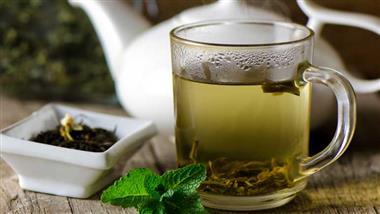
EGCG is sensitive to brewing temperature. To release the most from your tea leaves, brew your green tea at 100 degrees Celsius or 212 degrees Fahrenheit.45 Try drinking it while it’s freshly brewed to get the most health benefits, rather than tea that may have been sitting for a few hours. Consider adding a spritz of citrus juice to boost the benefits and increase the catechin absorption.46
- 1 Medical Xpress, February 11, 2021
- 2, 10 Genes and Nutrition, 2009;4(4)
- 3 Oregon State University, Resveratrol, Sources/Food
- 4, 8 The BMJ Open, 2016;6:009892
- 5 American Journal of Lifestyle Medicine, 2018;12(5)
- 6 Polish Journal of Food and Nutritional Science, 2019;69(3):219
- 7 National Institute on Aging, September 17, 2020
- 9, 11 Stem Cell Reports, 2021; doi.org/10.1016/j.stemcr.2021.01.005
- 12 Neurochemistry International, 2015;89:126
- 13 Biomedicine and Pharmacotherapy, 2019;109
- 14 Frontiers in Aging Neuroscience, 2019; doi.org/10.3389/fnagi.2019.00155
- 15 Aging, 2019;11(11):3876
- 16, 17 EurekAlert!, September 12, 2019
- 18 American Journal of Clinical Nutrition, 2006;83(2)
- 19 Infectious Agents in Cancer, 2017;12(36)
- 20 Journal of Biological Chemistry, 2018, doi: 10.1074/jbc.RA118.002038
- 21 British Journal of Nutrition 2014;112(7): 1043
- 22 British Journal of Nutrition October 2014: 112(7); 1043-1054
- 23 European Journal of Clinical Nutrition 2007; 61(1):3
- 24 Time July 3, 2008
- 25 European Journal of Cardiovascular Prevention & Rehabilitation, 2008;15(3):300
- 26 Virginia Tech Daily, March 7, 2017
- 27 Georgetown University Medical Center, July 27, 2016
- 28 American Journal of Clinical Nutrition, 2010;91(6)
- 29 Molecules, 2018;23(9)
- 30 Oxidative Medicine and Cellular Longevity, 2018; doi.org/10.1155/2018/8152373
- 31 Pharmacology Research, 2018;128:338
- 32 Scientific Reports, 2018;8(14257)
- 33 Journal of Bone and Mineral Research, 2020;doi.org/10.1002/jbmr.4115
- 34, 35 Endocrine Today, July 8, 2020
- 36 Nutrients, 2019;11(5)
- 37 Life Sciences, 2001;70(1)
- 38 BMC Infectious Diseases, 2017;17:144
- 39 Royal Society of Chemistry, 2018;8:7369 Introduction para 8
- 40 Oral Health and Preventive Dentistry, 2015;13(3)
- 41 Yonsei Medical Journal, 2011;52(3)
- 42 Foot, 2013; 23(2)
- 43 Journal of Dermatology, 2000; 27(11)
- 44 Recent Patents on Anti-Infective Drug Discovery, 2012, 7, 000-000
- 45 Acne Einstein July 4, 2012
- 46 Molecular Nutrition and Food Research, 2007;51(9)
Cheese Is One of the Most Neuroprotective Foods
Reproduced from original article:
https://articles.mercola.com/sites/articles/archive/2021/02/20/cheese-is-one-of-the-most-neuroprotective-foods.aspx
Analysis by Dr. Joseph Mercola Fact Checked February 20, 2021

STORY AT-A-GLANCE
- Out of 49 whole foods, cheese was “by far” the most protective food when it comes to avoiding age-related cognitive problems
- Those who ate cheese daily had better fluid intelligence scores over time; red wine and lamb consumption also had a favorable effect
- The researchers concluded that modifying your daily meal plans may minimize cognitive decline while adding cheese, red wine and weekly lamb may improve long-term cognitive function
- When you eat natural cheese, you get valuable fats, proteins, vitamins, minerals and amino acids that protect your brain and overall health; raw grass fed cheese is best in terms of nutritional punch
What you eat has a powerful effect on brain health and can even influence your cognitive function long-term. In particular, a study of 1,787 adults revealed that out of 49 whole foods, cheese was “by far” the most protective food when it comes to avoiding age-related cognitive problems.1
Cheese has been unfairly vilified due to its saturated fat content, when in reality it’s a wholesome food that provides key nutrients many people are lacking, including healthy fats and vitamins. As the featured study shows, eating cheese daily may be a simple way to keep your brain sharp, even into your later years.
Eat Cheese Daily to Protect Your Brain
Researchers from Iowa State University measured what’s known as fluid intelligence (FI) among the study participants, who ranged in age from 46 to 77 when the study was completed. Fluid intelligence is the ability to “think on the fly” or solve problems without any prior knowledge of the problem at hand.
Research suggests that greater decline in fluid intelligence as you age is associated with an increased risk of Alzheimer’s disease,2 but dietary changes may influence fluid intelligence.
The study evaluated self-reported intake of 49 foods, including fruits and vegetables, fish, meat, bread, coffee and wine, and compared it to fluid intelligence trajectories among the participants, some of whom had a family history of Alzheimer’s disease while some did not.
Those who ate cheese daily had better fluid intelligence scores over time, while red wine consumption also had a favorable effect. Consuming lamb weekly also led to improved FI outcomes.3 Study author Auriel Willette, an assistant professor in Food Science and Human Nutrition, said in a news release:4
“I was pleasantly surprised that our results suggest that responsibly eating cheese and drinking red wine daily are not just good for helping us cope with our current COVID-19 pandemic, but perhaps also dealing with an increasingly complex world that never seems to slow down.
While we took into account whether this was just due to what well-off people eat and drink, randomized clinical trials are needed to determine if making easy changes in our diet could help our brains in significant ways.”
The researchers concluded that modifying your daily meal plans may minimize cognitive decline while adding cheese, red wine and weekly lamb may improve long-term cognitive function.5 Study author Brandon Klinedinst, a neuroscience Ph.D. candidate at Iowa State, further highlighted the power of diet on your long-term brain health:6
“Depending on the genetic factors you carry, some individuals seem to be more protected from the effects of Alzheimers, while other seem to be at greater risk. That said, I believe the right food choices can prevent the disease and cognitive decline altogether.
Perhaps the silver bullet we’re looking for is upgrading how we eat. Knowing what that entails contributes to a better understanding of Alzheimer’s and putting this disease in a reverse trajectory.”
Cheese Is a Brain Food
Cheese isn’t widely known as a “brain food” — but it should be. For instance, consuming mold-fermented cheese, like camembert, for three months had beneficial effects on brain-derived neurotrophic factor (BDNF) levels in older women with mild cognitive decline.7
BDNF is highly involved in the growth and survival of nerve cells specifically,8 and low levels of BDNF have been connected to the development of dementia and Alzheimer’s disease,9,10 as well as other brain disorders such as Parkinson’s disease, Huntington’s disease and schizophrenia.11
Bioactive peptides produced by milk fermentation during the cheese-making process may also have antioxidant properties that play a role in enhancing cognitive ability.12
Intake of camembert cheese has been shown to prevent Alzheimer’s disease in an animal study, and it’s thought that novel lactopeptides in fermented dairy products may improve memory function and cognitive decline.13 When researchers screened peptides generated from whey proteins during cheese manufacturing, Trp-Tyr (WY)-containing peptides were found to improve memory function in mice.14
They worked by inhibiting monoamine oxidase-B activity (MAO-B) — MAO-B has been suggested as a biomarker of neuroinflammation in neurodegenerative disorders15 — thereby helping to prevent age-related cognitive decline.16 A host of other studies also hint at the brain protective potential of cheese, including:
- Consuming cheese or other dairy products once a week was associated with higher cognitive function than not consuming it17
- Over 17 years of follow-up, greater milk and dairy intake reduced the risk of dementia, especially Alzheimer’s disease, in the Japanese population18
- Among men, high intake of dairy products was significantly associated with better short-term memory19
Why Cheese Is Good for You
Cheese contains nutrients that are beneficial for your whole body, including the powerful nutritional triad of calcium, vitamin D and vitamin K2, which together channel calcium into your bones and teeth while keeping it out of your arteries.
Aside from natto, cheese is the food with the highest menaquinone, or vitamin K2, concentrations, but levels vary depending on the type of cheese. Dutch hard cheeses such as gouda and edam have relatively high concentrations, as do French cheeses such as Munster cheese.20
In addition to bone health, vitamin K2’s role in heart health is well-noted. In fact, in one study, those who had the highest amount of vitamin K2 were 52% less likely to experience severe calcification in their arteries and 57% less likely to die from heart disease over a seven- to 10-year period.21
When you eat cheese, you also get high-quality protein and amino acids, omega-3 fats and vitamins and minerals, including calcium, zinc, phosphorus, vitamins A, D, B2 (riboflavin), and B12.22 You’ll also get beneficial CLA (conjugated linoleic acid), a powerful cancer-fighter, particularly when you eat grass fed cheese.
Cheese Wards Off Chronic Disease
The nutrients in cheese add up to whole-body effects that may help prevent chronic disease even outside of your brain. In a study published in BMJ Open Diabetes Research and Care, for instance, researchers noted that participants who ate at least two servings of dairy products each day had a lower risk of high blood pressure and Type 2 diabetes.23 In addition, they were at lower risk for metabolic syndrome.
“Emerging evidence suggests that dairy foods, particularly whole fat dairy and fermented dairy (e.g., cheese or yogurt), may influence diverse pathways and have favorable metabolic effects,” the researchers explained.24 This is another way cheese may be neuroprotective, as conditions like diabetes take a toll on your brain health. Diabetes even ages your brain about five years faster than normal.25
An inverse relationship has also been found between the daily amount of fermented dairy consumed and the development of heart disease. For instance, those who had the highest intake of fermented dairy products had a 27% lower risk of heart disease in one study.26
Greater cheese consumption, in particular, is also linked with a lower risk of heart disease.27 Writing in the British Journal of Nutrition, researchers noted that dairy products shouldn’t be vilified due to their fat content but, rather, “The whole food matrix should be considered,” and:28
“Based on experimental and prospective studies to date, it seems plausible that manufacturing processes, such as fermentation, could influence how different dairy products affect the development of CVD [cardiovascular disease].
Fermentation process includes adding live bacteria to dairy foods, which can act as probiotics and result in multiple cardiometabolic benefits. Some of these bacteria, used for example in cheese making, form vitamin K2, which has been associated with lower risk of CHD [coronary heart disease].”
The Type of Cheese Matters
All cheese is not created equal, particularly if it’s highly processed. Processed cheese or “cheese food” is not a health food and should be avoided, while natural cheese is a whole food — a simple fermented dairy product made with nothing more than a few basic ingredients — milk, starter culture, salt and an enzyme called rennet.
You can tell a natural cheese by its label, which will state the name of the cheese variety, such as “cheddar cheese,” “blue cheese,” or “brie.” Real cheese requires refrigeration. Taking it up a notch is grass fed cheese, which is made from the milk of grass fed cows. There are a number of reasons to seek out grass fed dairy products as much as possible.
For foodies, the seasonal variations in flavor are a huge draw. For the health-conscious, milk from cows raised primarily on pasture has been shown to be higher in many nutrients, including vitamin E, beta-carotene and the healthy fats omega-3 and CLA.29
On an environmental level, grass fed dairy also has a considerably reduced footprint compared to the way most dairy is produced on concentrated animal feeding operations (CAFOs). You may find grass fed dairy farmers who have not yet gone through (or who cannot afford to go through) the USDA’s organic certification process. In that case, speak to the farmer directly to find out about how the animals are raised.
You can also look for the American Grassfed Association (AGA) logo, a much-needed grass fed standards and certification for American-grown grass fed meat and dairy.30 Raw grass fed cheese is also highly recommended and, because raw cheese is not pasteurized, natural enzymes in the milk are preserved, increasing its nutritional punch.
Overall, grass fed cheese is a healthy whole food to include in your diet, one that offers protection for your brain and your health as a whole. It’s not, however, the only food that’s beneficial for your brain. If you’re looking for more tips on what to eat to protect your cognitive function, focus on avoiding processed fast foods and eating plenty of brain-boosting foods, like small cold-water fish, cruciferous veggies, leafy greens and pastured, organic eggs, instead.
- 1, 4, 6 Science Daily December 10, 2020
- 2, 3, 5 J Alzheimers Dis. 2020;78(3):1245-1257. doi: 10.3233/JAD-201058
- 7 J Am Med Dir Assoc. 2019 Dec;20(12):1509-1514.e2. doi: 10.1016/j.jamda.2019.06.023. Epub 2019 Sep 24
- 8 Arch Med Sci. 2015;11(6):1164-78
- 9 Aging Dis. 2015;6(5):331-41
- 10 Int J Mol Sci. 2019;20(2)
- 11 J Biomed Sci. 2016;23:17
- 12 British Journal of Nutrition February 22, 2011
- 13, 14, 16, 17 Neurobiology of Aging December 2018, Volume 72, Pages 23-31
- 15 Science Direct, Monoamine Oxidase B
- 18 Journal of the American Geriatrics Society June 10, 2014
- 19 Clinical Nutrition April 2016, Volume 35, Issue 2, Pages 507-513
- 20 Nutrients. 2018 Apr; 10(4): 446
- 21 The Journal of Nutrition November 1, 2004: 134(11); 3100-3105 (The Rotterdam Study)
- 22 Dairy Council of California
- 23, 24 BMJ Open Diabetes Research and Care, 2020;8:e000826. doi: 10.1136/bmjdrc-2019-000826
- 25 Ann Intern Med. 2014;161(11):785-793
- 26 British Journal of Nutrition, 2018;120(11)
- 27 Eur J Nutr. 2017 Dec;56(8):2565-2575. doi: 10.1007/s00394-016-1292-z. Epub 2016 Aug 12
- 28 British Journal of Nutrition October 29, 2018
- 29 La Crosse Tribune December 19, 2013
- 30 American Grassfed December 21, 2016
Support your mental health by focusing on THIS aspect of your sleep
Reproduced from original article:
https://www.naturalhealth365.com/sleep-quality-mental-health-3713.html
by: Sara Middleton, staff writer | January 31, 2021
 (NaturalHealth365) Most of us can understand firsthand how sleeping for too little – or even too long – can hurt our health. But a new study suggests that the quality of a person’s sleep might actually have more of an impact on their well-being than quantity.
The study, published this month in Frontiers in Psychology, asked over 1,100 young adults between the ages of 18 and 25 to respond to survey questions about their lifestyle and mental health, including whether they experienced symptoms of depression. Let’s look at the results.
Surprisingly, sleep quantity is NOT the most important factor of sleep to improve mental health, especially for young adults
The researchers, based out of New Zealand, conducted an online survey to investigate “the associations between sleep, physical activity, and dietary factors as predictors of mental health and well-being in young adults.” They found that sleep quality “significantly outranked” sleep quantity in predicting a person’s mental health and overall well-being.
Specifically, people who reported higher quality sleep were significantly less likely to experience depressive symptoms. Such a “robust” correlation remained even after researchers controlled for confounding factors. One possible limitation of this study is the “non-validated” way the researchers assessed sleep quality. That is, the researchers asked respondents to rate how refreshed they felt on a scale of 0 (never refreshed) to 4 (very refreshed) when they wake up in the morning instead of actually evaluating biological or physiological evidence for sleep quality (which can be done during something like a scientific sleep study).
However, the researchers do cite in their paper earlier evidence suggesting that feeling refreshed after rest can be an indicator of high-quality sleep, so if we agree on this premise – and trust the validity of these self-reported measurements – then the results likely still offer some important insights.
Does this mean that people can go ahead and skimp out on a few extra hours of sleep so long as they ensure the sleep they do get is high quality? Not so fast. Sleep quantity was still the second most important factor for predicting well-being. In fact, sleeping for fewer than eight hours or more than twelve hours on average per night was associated with a greater likelihood of depressive symptoms and low well-being.
Do NOT ignore the health dangers linked to toxic indoor air. These chemicals – the ‘off-gassing’ of paints, mattresses, carpets and other home/office building materials – increase your risk of nasal congestion, fatigue, poor sleep, skin issues plus many other health issues.
Get the BEST indoor air purification system – at the LOWEST price, exclusively for NaturalHealth365 readers. I, personally use this system in my home AND office. Click HERE to order now – before the sale ends.
In other words: quality and quantity matter when it comes to sleep – just don’t think that hours on the clock are all that matter when it comes to getting sufficient rest.
By the way: regular physical activity and the consumption of raw fruits and veggies were considered “secondary but significant” factors that also promoted greater well-being.
BAD idea: Here are the top five things that ruin your sleep quality, according to science
Go ahead, ask yourself:
Do you feel refreshed when you wake up in the morning? If you use an alarm, do you wake up a minute or two before the alarm goes off feeling ready to get out of bed to start your day, or do you hit the snooze button? Do you feel fatigued and foggy-brained during the day, even if you get the recommended eight hours of sleep per night?
If your answer is yes to any of these questions, it’s possible that you’re not getting sufficient sleep quality for health – and your physical and mental well-being could be suffering. Here are the top five killers of quality sleep:
- Substances (especially if consumed close to bedtime) including caffeine, alcohol, and certain medications like antidepressants or beta-blockers
- Late-night exposure to bright lights, and especially blue light from digital devices
- Stress
- Lack of physical activity during the day
- A bedroom temperature that’s too high (for better sleep, try setting the temperature to around 63 to 68 degrees Fahrenheit) Admin: 19.5 to 22 degrees Celcius
Sources for this article include:
ScienceDaily.com
Frontiersin.org
Harvard.edu
Psychologytoday.com
Are mushrooms the ultimate superfood? The answer may surprise you … especially when it comes to getting enough vitamin D
Reproduced from original article:
www.naturalhealth365.com/mushrooms-health-benefits-3693.html
by: Sara Middleton, staff writer | January 13, 2021
 (NaturalHealth365) While certain types of mushrooms can be toxic or even deadly, the mushrooms you’ll find in the grocery store are safe and healthy to eat. In fact, the health benefits of mushrooms appear to impact everything from cognition to gut health.
Mushrooms are even known as one of the few plant sources of vitamin D, a critical nutrient that about 1 billion people worldwide are estimated to be deficient in. In other words: these versatile fungi could be a great addition to your weekly meal plan if you don’t eat them yet.
Eating just 2 servings of mushrooms per week could do wonders for brain function
Most varieties of mushrooms contain a range of nutrients, including vitamin D, vitamin B, copper, potassium, selenium, and phosphorus. We’re still learning about why they boost health, but human studies have so far revealed some promising effects.
According to Harvard Medical School, one 2019 study found that consuming just two servings of mushrooms per week (1 serving is about 3/4 cup cooked) was associated with a reduced risk of mild cognitive impairment in older adults compared to eating fewer than 1 serving per week. Scientists attribute their excellent brain-protective benefits to their antioxidant capacity.
Additional research has found that mushrooms, which contain natural prebiotic compounds, may stimulate the growth of healthy gut bacteria and potentially support healthy digestion.
Another great thing about mushrooms is that you generally have a wide variety to choose! Popular types of mushrooms include:
Do NOT ignore the health dangers linked to toxic indoor air. These chemicals – the ‘off-gassing’ of paints, mattresses, carpets and other home/office building materials – increase your risk of nasal congestion, fatigue, poor sleep, skin issues plus many other health issues.
Get the BEST indoor air purification system – at the LOWEST price, exclusively for NaturalHealth365 readers. I, personally use this system in my home AND office. Click HERE to order now – before the sale ends.
- Shiitake
- Portobello
- Crimini
- Button
- Oyster
- Beech
- Maitake
- Enoki
Read this important note about mushrooms as a vitamin D source
We mentioned earlier that mushrooms are one of the only plant sources of vitamin D, which (in addition to sunshine) makes them a popular choice for vegans or anyone interested in non-animal sources of this important vitamin. And while this is true, there are a few important things to keep in mind so you can ensure you’re getting the most out of this nutritious fungi:
- According to the United States Department of Agriculture, mushrooms technically contain a compound called ergosterol that is a precursor to vitamin D. This means that it gets broken down in the body and converted into vitamin D2. But, vitamin “D2” is not the ideal form for humans. Especially if you’re deficient in vitamin D … you’ll want to get vitamin “D3.”
- Many conventionally grown fungi are actually grown in dark environments, which dramatically lowers their vitamin D content (unfortunately). Some more health-conscious producers are now exposing their mushroom crops to ultraviolet light as a way to improve the fungi’s nutritional profile. Look for these higher-quality varieties in health food stores or online.
- According to Harvard Medical School, dried mushrooms stored in a cool, dry place for up to 6 months contain about 600 IU of vitamin D2 per 3.5-ounce serving.
- Bottom line: If you’re deficient in vitamin D (with a blood test score of below 30) … then, you’ll most likely need to supplement with vitamin D3 to the tune of 5,000 to 8,000 IU or more until your levels reach between 50 and 80 ng/ml.
- In addition, you may want to consider taking your vitamin D3 with cofactors like, vitamin K2, magnesium, zinc and boron to help with proper absorption.
Before you eat mushrooms … here are two final tips:
Don’t wash or clean mushrooms until you’re prepared to use them (ideally within a week of purchasing), and try storing them in a fridge in an open brown paper bag to help absorb excess moisture and prevent spoilage.
Sources for this article include:
Loneliness and the brain: Is it MORE deadly than COVID-19?
Reproduced from original article:
www.naturalhealth365.com/loneliness-isolation-brain-3670.html
by: Joy Jensen, staff writer | December 24, 2020
 (NaturalHealth365) As the practice of social distancing due to COVID-19 continues and more states increase the regulations limiting contact between people, this holiday season will be lonelier than ever for many individuals. In fact, some of the worst affected by loneliness due to COVID-19 lockdowns is our elderly, who have been left for weeks – and even months – at a time with little social interaction due to the pandemic. All of this in the name of keeping people “safe?!”
One new study delves into what loneliness does to the brain. However, looking beyond the studies to the deaths of seniors across the country as long-term care facilities have shut their doors and suspended most group activities, one must wonder if loneliness is even more deadly and devastating than the virus.
Scientists look at loneliness and how it changes the brain
Researchers recently conducted a study that looked at lonely people and what happens in their brain that makes them distinct. Using magnetic resonance imaging (MRI) data, along with psychological self-assessments and genetics in around 40,000 older and middle-aged adults in the UK, information was compared between individuals who felt lonely and those who didn’t.
They discovered multiple differences in the brains of those who reported often feeling lonely. Their brain had a more strongly wired together “default network:” a group of brain regions that are involved in inner thoughts like imagining, thinking of others, and reminiscing. Researchers believe that this may occur because lonely individuals use memories of the past or imagination and hope of the future to help overcome the social isolation they’re experiencing.
However, the leaders of the study note that we’re only just beginning to discover and understand the impact loneliness has on the brain. As it becomes recognized as a major health issue, learning more about how it manifests in the brain can help us find ways to better treat it.
Reports from across the country tell a darker tale about feeling isolated and alone
Although researchers discovered some interesting differences in the brains of lonely people, recent reports from across the country tell a much darker tale. Across the country, many long-term care facilities have shut their doors to visitors and suspended communal meals and most group activities in an effort to protect the elderly. But in recent reports from both NBC News and the AARP, all the isolation is killing aging adults and may be even more deadly than COVID-19.
Do NOT ignore the health dangers linked to toxic indoor air. These chemicals – the ‘off-gassing’ of paints, mattresses, carpets and other home/office building materials – increase your risk of nasal congestion, fatigue, poor sleep, skin issues plus many other health issues.
Get the BEST indoor air purification system – at the LOWEST price, exclusively for NaturalHealth365 readers. I, personally use this system in my home AND office. Click HERE to order now – before the sale ends.
Previously healthy elderly individuals have experienced a sudden loss of mobility, an increase in falls, decreased strength, and the acceleration of dementia. The confinement designed to protect is threatening the lives of long-term care residents. There’s even been an upsurge in elderly deaths with “social isolation/failure to thrive” listed as a contributing cause of death on death certificates.
Recent surveys show that it’s not just the elderly who are affected by loneliness as a result of COVID-19 restrictions. A survey of young adults between 18-35 discovered that 80% of those surveyed reported significant depressive symptoms while going through the pandemic, and 65% reported an increase in feelings of loneliness. Among respondents, 30% reported dependent and harmful levels of drinking.
Bottom line: isolation and loneliness are affecting individuals of all ages, and the consequences are serious. In an attempt to “slow the spread,” we’ve created another devastating health crisis.
The ultimate solution (suppressed by the mainstream media) is to improve the immune function of each and every individual. That’s the best way to reduce the threat of infections and, at the same time, will greatly improve the quality of our life. We should all focus on breathing cleaner air, eating better quality food and building healthier relationships with family and friends.
Sources for this article include:
ScienceDaily.com
NBCNews.com
AARP.org
MedicalNewsToday.com
Astaxanthin Shown to Slow Brain Aging
Reproduced from original article:
https://articles.mercola.com/sites/articles/archive/2020/12/03/astaxanthin-shown-to-slow-brain-aging.aspx
Analysis by Dr. Joseph Mercola Fact Checked December 03, 2020

STORY AT-A-GLANCE
- Based on past studies, researchers identified multiple pathways, including an increase in brain-derived neurotrophic factor (BDNF), by which astaxanthin may slow brain aging
- Multiple studies also find astaxanthin benefits your vision, skin and heart health, and has antitumor effects
- Astaxanthin is called the king of antioxidants due to its unique properties, including a surplus of electrons and ability to protect water- and fat-soluble parts of the cell, and the fact that it cannot function as a prooxidant
- Scientists have also found astaxanthin’s unique properties are suited for the task of inhibiting a cytokine storm, a significant factor in severe COVID-19 disease that increases the risk of death
Astaxanthin is a naturally occurring carotenoid with a wide variety of nutraceutical applications in the fight against diseases. Data now reveal astaxanthin has significant promise as a geroprotector, helping to slow brain aging.1 Astaxanthin is responsible for the pink or red color of salmon, trout, lobster and other seafood.2
According to Science Direct, “when compared to other antioxidants such as lycopene, vitamin E and vitamin A,” astaxanthin comes out on top and is often referred to as the “king of antioxidants.”3 It is derived from Haematococcus microalgae, which produce astaxanthin as a protective mechanism to shield from harsh ultraviolet (UV) light.4
In your body, it works as an antioxidant to help protect against reactive oxygen species and oxidation. These processes play a role in aging, heart disease, Alzheimer’s disease and Parkinson’s disease.5 Data show astaxanthin can protect your skin against free radical damage from UV light from the inside out.6
In 2015, NASA presented at the 66th International Astronautical Conference and shared information showing that a supply of astaxanthin from natural sources could potentially prevent the negative effects of radiation exposure, damage to the eyes and other health effects known to occur to astronauts in space.7,8
Powerful Antioxidant Slows Brain Aging
Researchers writing in the journal Marine Drugs recognize the challenge of maintaining brain function and well-being as human life expectancy lengthens.9 Recent studies have evaluated the neuroprotective effect astaxanthin has on preserving brain aging in experimental models.
In their review of the literature, the scientists identified several pathways astaxanthin may take in slowing brain aging. They evaluated the results of clinical trials where the endpoint measure was disease and disability.
They found several studies where astaxanthin modulated biological mechanisms, including transcription factors and genes directly related to longevity. One of the main relevant factors modulated by astaxanthin is the forkhead box 03 gene (FOXO3). This is one of only two genes with a significant impact on human longevity.
Additionally, in their search of the literature, they found astaxanthin increases brain-derived neurotrophic factor (BDNF) levels in the brain and can attenuate oxidative damage to DNA, lipids and protein.10
They concluded that it was possible astaxanthin can promote longevity and slow the rate of aging. The neuroprotective properties appear to be attributed to astaxanthin’s ability to reduce oxidative stress and inflammation as well as improve mitochondrial function and the dysregulation of gene expression that occurs with aging.
Brain Aging Affects Mental Function
The data showing astaxanthin may help slow brain aging is significant since the neurological aging process is directly tied to cognitive function. Cognitive changes that can occur, but are not necessarily normal, include finding it difficult to remember words, recall names, having difficulty with multitasking or having more difficulty paying attention.11
According to the National Institute on Aging, some of the common changes that can occur in the brain include loss of brain volume, decreased blood flow, inflammation and reduced effectiveness in communication between neurons. Each of these changes affect cognitive function.
After age 40, data show the volume of the brain can decline at a rate of 5% for every decade. This rate can increase as a person reaches 70 and older.12 The primary factor for this shrinking is unclear but scientists suggest there is a decline in volume rather than in the number of neurons that may have a relationship to gender.
Although experts find there are common changes in thinking abilities that decline with age, they also find reading, vocabulary and verbal reasoning may improve as a person ages.13 With abnormal aging changes, there may be severe cognitive impairment that affects memory, problem solving and behavior, associated with dementia.
According to the Alzheimer’s Association, there are more than 5 million in the U.S. who have Alzheimer’s and that number is expected to nearly triple to 14 million by 2050.14 The cost of these dementias is projected to be $305 billion in 2020 and estimated to rise as high as $1.1 trillion by 2050.
What Makes Astaxanthin Unique?
Although astaxanthin is related to beta-carotene, lutein and canthaxanthin, the molecular structure is unique and more potent than other carotenoids. One of the key differences is that astaxanthin has a surplus of electrons to donate as it neutralizes free radicals.15
Antioxidants work by donating one of their electrons to a free radical in order to stabilize it. However, in donating an electron the antioxidant may then become unstable. Astaxanthin has a surplus of electrons and so can donate many times without becoming unstable itself.16
One of the more unique features of astaxanthin is that it’s able to protect both water- and fat-soluble parts of the cell. This feature makes astaxanthin powerful. In one study analyzing several antioxidants and their effectiveness, data show astaxanthin had antioxidant power greater than alpha-lipoic acid, green tea catechins, CoQ10 and vitamin C.17
Most antioxidant carotenoids are either water-soluble or fat-soluble, but astaxanthin can interface between water and fat, which makes it more effective. Astaxanthin also can cross the blood-brain barrier, where it can exert a strong protective effect on your neurological health.18
Lastly, astaxanthin cannot function as a prooxidant,19 which are molecules that cause rather than combat oxidation.20 Other antioxidants can be prooxidants when there is a sufficient concentration, which is one reason you don’t want to take too many antioxidant supplements. However, astaxanthin will not function as a prooxidant, even when present in large amounts.
Astaxanthin Has Whole Body Benefits
Evidence shows astaxanthin benefits your whole body. Multiple studies demonstrate the beneficial effect it has on skin health and the protection it offers against UV sun damage, increasing skin elasticity and reducing the appearance of fine wrinkles.21,22,23 Unlike topical sunblock, astaxanthin does not block UV rays so you get the benefit of your skin producing vitamin D from UVB light.
The effect is so potent it can protect against total body irradiation24 and burn wound progression.25 As effective as it is on the tissue you see, astaxanthin also has a significant impact on your internal organs and tissues.
In one double-blind, placebo-controlled study, people who took 12 milligrams (mg) of astaxanthin daily for eight weeks had a 20.7% decrease in C-reactive protein, a marker for heart disease.26 In another study published in Atherosclerosis, participants were randomly selected to take a placebo or a daily dose of astaxanthin for 12 weeks at 6 mg, 12 mg or 18 mg per day.27
In before and after testing, those taking astaxanthin experienced a positive effect on their triglyceride and HDL levels that correlated with increased adiponectin, a protein that regulates glucose found in fat tissue.28 Astaxanthin is also a potent preventive and treatment for age-related macular degeneration, which is the most common cause of blindness in the elderly.29
Astaxanthin demonstrates the ability to protect retinal cells from oxidative stress in lab studies.30 A review of the literature suggests astaxanthin may be effective in the prevention and treatment of several ocular diseases, “including diabetic retinopathy, age-related macular degeneration, glaucoma and cataract.”31
Studies have also delved into astaxanthin’s effects on cancer. Both in vivo and in vitro preclinical antitumor effects have been demonstrated in various cancer models. According to a study published in 2015, astaxanthin:32
“… exerts its anti-proliferative, anti-apoptosis and anti-invasion influence via different molecules and pathways including signal transducer and activator of transcription 3 (STAT3), nuclear factor kappa-light-chain-enhancer of activated B cells (NF-κB) and peroxisome proliferator-activated receptor gamma (PPARγ). Hence, [astaxanthin] shows great promise as chemotherapeutic agents in cancer.”
Antioxidant Calms the Cytokine Storm
The extent of the benefits of this powerful antioxidant are still being discovered. In the recent COVID-19 pandemic, researchers have found indications that justify the potential for including natural astaxanthin in combination with other treatments to benefit people with COVID-19.
A recent paper published on the research library website SSRN found the unique molecular structure of astaxanthin allows it to penetrate cell membranes and quench reactive oxygen species and free radicals on the inner and outer layer of the membrane. This provides superior protection against oxidative stress. The scientists wrote:33
“Clinically, natural astaxanthin has shown diverse benefits with excellent safety and reported to block oxidative DNA damage, lowered C-reactive protein (CRP) and other inflammation biomarkers. Previous studies reported that natural astaxanthin exert positive effects in alleviating cytokine storm, acute lung injury, acute respiratory syndrome, etc …
Current understandings based on accumulated evidences suggest that SARS-CoV-2 induces a potential amplified inflammatory response to sequential consequences of ALI [acute lung injury], ARDS [acute respiratory distress syndrome] to a life-threatening dire consequence of potential septic shock with elevated expression of inflammatory related genes along with inevitable secondary infections, rather than increased viral load …
… the attenuation of the cytokine storm by targeting key steps in the process may deliver improved outcomes … Shi et al. suggested a two-phase approach for potential treatments of COVID-19 patients: the first immune defense-based protective phase for non-severe COVID-19 cases and the second, inflammation-driven damaging phase for severe COVID-19 patients.”
According to the authors, astaxanthin may be uniquely suited for the task of protecting cells against SARS-CoV-2. The scientists list multiple pathways astaxanthin is known to work that could effectively inhibit a cytokine storm in severe COVID-19. They wrote that astaxanthin:34
“… with its proven anti-inflammatory and anti-oxidant activity backed by multiple preclinical and human trials and with its extraordinary safety profile can be one of the most promising candidates to be tried against COVID-19.
Taken together, we speculate that implications of astaxanthin as adjunctive countermeasure in the treatment of COVID-19 may exert dual purpose of both as antioxidant and anti-inflammatory compound with beneficial outcome of reduce fatality and rapid recovery …”
In short, astaxanthin ticks many important boxes to ameliorate COVID-19, including immune response regulation and the enhancement of both cell-mediated and humoral immune responses. You’ll find more in my article, “Astaxanthin Helps Alleviate Cytokine Storm.”
- 1, 9, 10 Marine Drugs, 2020;18(7)
- 2 RxList, Astaxanthin, What is Astaxanthin?
- 3 Science Direct, Astaxanthins, White Biotechnology in Cosmetics
- 4 Science Direct, Astaxanthins, Nutraceuticals from Algae and Cyanobacteria
- 5 Frontiers in Physiology, 2018; doi.org/10.3389/fphys.2018.00477
- 6 Green Living Magazine, Amazing Astaxanthin the Antioxidant
- 7 NASA, Benefits of Microalgae for Human Space Exploration
- 8 NASA, Microalgae Biosynthesis in Microgravity
- 11 National Institute on Aging, How the Aging Brain Affects Thinking, Changes in the Aging brain
- 12 Postgraduate Medical Journal, 2006;82:964
- 13 UCSF Weill Institute for Neurosciences, Healthy Aging
- 14 Alzheimer’s Association, Facts and Figures, Quick Facts
- 15 Science Direct, Astaxanthins
- 16 Save our Bones, Astaxanthin: A Superior Bone-Healthy Antioxidant
- 17 Carotenoid Science, 2007;11:16
- 18 Marine Drugs, 2018;16(8)
- 19 Science Direct, Astaxanthins, Role of Astaxanthin in Sports Nutrition
- 20 Oxidative Medicine and Cellular Longevity, 2019;3849692
- 21 Nutrients, 2018;10(7)
- 22 Nutraingredients-USA, June 27, 2018
- 23 Journal of Clinical Biochemistry and Nutrition, 2017;61(1)
- 24 Stem Cell Research and Therapy, 2017;8:7
- 25 Scientific Reports, 2017;7(41440)
- 26 Health Research & Studies Center, Los Altos, CA, Effect of daily use natural astaxanthin on C-reactive protein (PDF), January 31, 2006
- 27 Atherosclerosis, 2009; doi.org/10.1016/j.atherosclerosis.2009.10.012
- 28 International Journal of Molecular Sciences, 2017;18(6)
- 29 Alliance for Aging Research, October 13, 2016
- 30 Journal of Pharmacy and Pharmacology, 2008;60(10)
- 31 Marine Drugs, 2020;18(5)
- 32 Marine Drugs 2015;13(7): 4310
- 33, 34 SSRN, April 21, 2020