Niacinamide
now browsing by category
Niacinamide Found to Reduce the Risk of New Skin Cancers
Reproduced from original article:
https://articles.mercola.com/sites/articles/archive/2026/03/27/niacinamide-reduce-skin-cancer-risk.aspx
Analysis by Dr. Joseph Mercola March 27, 2026

Story at-a-glance
- Skin cancer affects one in five Americans, with nonmelanoma types like basal and squamous cell carcinoma making up most cases. Niacinamide, a form of vitamin B3, is found to offer a strong preventive effect
- A recent study published in JAMA Dermatology associated niacinamide use with a 14% lower overall risk of developing additional nonmelanoma skin cancers, with the greatest benefit seen after the first cancer diagnosis
- Earlier research showed that taking 500 milligrams of niacinamide twice daily reduced new nonmelanoma skin cancers by 23% and precancerous lesions by up to 15%
- Niacinamide protects your skin by restoring NAD+ for DNA repair, reducing inflammation, supporting immune defenses, and strengthening the barrier that maintains moisture and resilience against environmental stress
- For long-term use, smaller daily doses of 50 milligrams three times per day are safe and sustainable. Combining niacinamide with sensible sun exposure habits and good nutrition strengthens skin defense naturally
Skin cancer is one of the most common cancers worldwide.1 In the United States, one in five Americans is expected to develop skin cancer during their lifetime, and roughly 9,500 people receive a diagnosis each day.2 The vast majority of these cases are nonmelanoma skin cancers, which include basal cell carcinoma (BCC) and squamous cell carcinoma (SCC).3
The incidence of nonmelanoma skin cancers is estimated to be 18 to 20 times higher than that of melanoma.4 Although often treatable when detected early, recurrence is common and remains a significant concern.5 This has led researchers to explore better ways to prevent future cases, and one compound that has been recommended by dermatologists is niacinamide, a form of vitamin B3.6
What Is Niacinamide and How Does It Protect Your Skin?
Niacinamide is one of the two main forms of vitamin B3. The other is niacin, or nicotinic acid, which is known for causing flushing due to histamine release. Niacinamide does not produce this effect, which makes it easier to tolerate and suitable for long-term use. It used to be called nicotinamide, but the term niacinamide is now preferred to prevent confusion with nicotine, an entirely unrelated compound.
• Niacinamide supports the skin at the cellular level — It does this by restoring a vital molecule called nicotinamide adenine dinucleotide (NAD+), a coenzyme that every cell relies on for energy production, DNA repair, inflammation control, and mitochondrial health.
When prolonged UV exposure, oxidative stress, or aging depletes NAD+ levels, skin cells lose the energy needed to maintain normal repair processes. Niacinamide replenishes this supply, keeping your skin’s repair systems active and resilient.
• Inside your cells, niacinamide participates in the NAD+ salvage pathway — When NAD+ breaks down during normal metabolic activity, it forms niacinamide, which the body recycles by converting it into nicotinamide mononucleotide (NMN) and then back into NAD+. This cycle allows your cells to sustain energy production and DNA repair without interruption, ensuring that repair enzymes and antioxidant systems always have the resources they need.
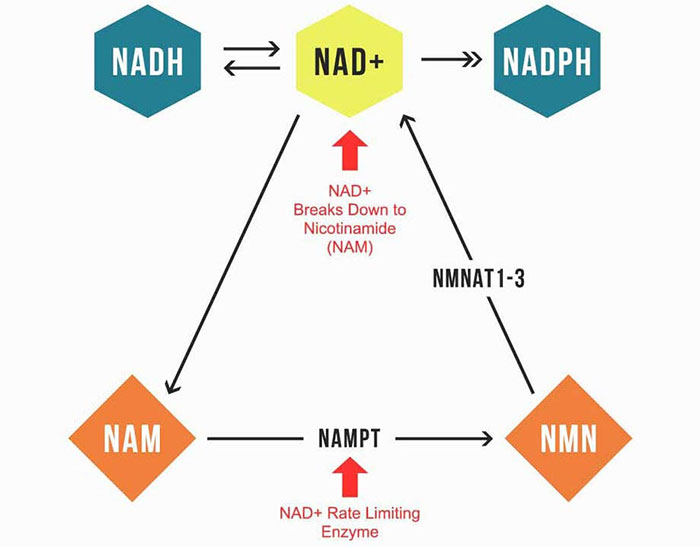
• NAD+ fuels key DNA-repair enzymes — These include poly (ADP-ribose) polymerase (PARPs) and sirtuins, which identify and repair DNA strand breaks. When NAD+ levels drop, these enzymes cannot function effectively, leading to the accumulation of damaged DNA. By maintaining NAD+ availability, niacinamide keeps these enzymes working efficiently and supports the genetic stability of your skin cells.
• Niacinamide also reinforces your skin’s structural defenses — It stimulates ceramide production, strengthening the barrier that locks in moisture and shields against environmental damage.7 Because of its effects, dermatologists have used niacinamide for decades in both topical and oral forms to manage acne, rosacea, hyperpigmentation, and photoaging.8
• Niacinamide’s influence extends far beyond skin health — Clinical studies have shown benefits in conditions linked to metabolic stress, inflammation, and mitochondrial dysfunction, including neurodegeneration,9 glaucoma,10 chronic pain,11 stress,12 and even oxidative damage linked to excessive linoleic acid (LA) intake.
To learn more about how niacinamide supports not only skin health but also your body’s broader resilience, read “The Wide-Ranging Health Benefits of Niacinamide.”
New Evidence Strengthens Niacinamide’s Role in Skin Cancer Prevention
The evidence confirming niacinamide’s protective role against skin cancer has been limited because its over-the-counter availability means most use goes unrecorded in medical databases. This is why researchers conducted a large-scale retrospective cohort study published in JAMA Dermatology, drawing on data from the Veterans Affairs (VA) Corporate Data Warehouse to examine whether niacinamide use led to a reduced risk of new skin cancers.13
• How the study was designed — The research team analyzed data from 33,822 veterans between 1999 and 2024. They identified patients who had filled prescriptions for 500 milligrams (mg) of oral nicotinamide twice daily for more than 30 days and compared them with matched controls who had not received the supplement.
In total, 12,287 niacinamide users were matched with 21,479 nonusers based on factors including age, sex, prior skin cancer history, and use of other dermatologic treatments. The primary outcome was time to the next diagnosis of BCC or cutaneous SCC (cSCC).
• Niacinamide use lowered overall skin cancer risk — Across the full study population, niacinamide use was associated with a 14% lower overall risk of developing skin cancer. The benefit was most pronounced when supplementation began after the first skin cancer diagnosis, producing a 54% reduction in new cases.
However, this preventive effect diminished when treatment was started after multiple prior cancers. Both BCC and cSCC incidence decreased, with the strongest risk reduction seen in cSCC.
• Findings in immunocompromised patients — The study also evaluated a subgroup of 1,334 patients who were immunocompromised due to organ transplants. Among these transplant recipients, no overall significant reduction in cancer risk was observed. However, early use of niacinamide after the first cancer diagnosis was linked to fewer cases of cSCC, underscoring the importance of timing in its effectiveness.
• Early use of niacinamide may redefine preventive skin cancer care — According to the study’s lead author, Dr. Lee Wheless, assistant professor of Dermatology and Medicine at Vanderbilt University Medical Center and a staff physician at VA Tennessee Valley Healthcare System:
“There are no guidelines for when to start treatment with nicotinamide for skin cancer prevention in the general population. These results would really shift our practice from starting it once patients have developed numerous skin cancers to starting it earlier. We still need to do a better job of identifying who will actually benefit, as roughly only half of patients will develop multiple skin cancers.”14
This real-world analysis builds on earlier randomized trials by confirming that niacinamide is associated with lower nonmelanoma skin cancer risk in a large, diverse population.
The First Clinical Evidence of Niacinamide’s Protective Effect
The protective role of niacinamide in skin cancer prevention was first confirmed in a controlled human trial published in The New England Journal of Medicine in 2015.15 The study, known as the Oral Nicotinamide to Reduce Actinic Cancer (ONTRAC) trial and conducted by researchers at the University of Sydney, showed that a simple oral supplement could lower the recurrence of common skin cancers in high-risk patients.16,17
• Study design and participants — The ONTRAC trial included 386 adults aged 30 to 91 years who had developed two or more nonmelanoma skin cancers in the past five years. Participants were randomly assigned to receive nicotinamide, 500 mg twice daily, or placebo for 12 months, with dermatologic evaluations every three months.
• What the results showed — After one year of supplementation, participants taking nicotinamide had 23% fewer new basal and squamous cell carcinomas than those taking placebo. The supplement also reduced actinic keratoses, precancerous lesions that signal future cancer risk, by 11% after three months and 15% after 12 months.
• Safety confirmed across all groups — Niacinamide was well tolerated, with no meaningful side effects. Unlike niacin, it did not cause flushing, headaches, or increased blood pressure, and no participants discontinued treatment due to adverse effects. Its clean safety profile made it an ideal option for older adults or those on multiple medications.
• Why the findings matter for high-risk patients — Lead investigator Diona Damian, MBBS, Ph.D., described niacinamide as “a new opportunity for skin cancer prevention,” noting that it is safe, inexpensive, and immediately accessible for those at greatest risk of recurrence.18
Supporting this view, Dr. Peter Paul Yu, the president of the American Society of Clinical Oncology at the time, called the results “a remarkably simple and inexpensive way to help people avoid repeat diagnoses of some of the most common skin cancers.”19
This trial established the foundation for research on niacinamide and skin cancer prevention. A survey conducted in 2021 found that nearly 77% of dermatologists who perform skin cancer surgery now recommend oral niacinamide to prevent skin cancers.20 Learn more about niacinamide’s protective role in “Niacinamide — The Best Supplement to Prevent Skin Cancer.”
How to Take Niacinamide Supplement
While clinical studies have shown that high doses can deliver therapeutic results in targeted treatments, those levels are not intended for routine use. For ongoing health and cellular support, smaller amounts taken regularly are safer and sustainable.
• Take small, evenly spaced doses throughout the day — For optimal health, I recommend taking 50 milligrams of niacinamide three times per day. You can also take it four times a day if you space out the dose evenly. Take a dose as soon as you get up, another before going to bed, and two more evenly spaced between those times.
• Higher doses can cause adverse effects — The problem with taking too much vitamin B3, whether in the form of niacin or niacinamide, is that it might backfire and contribute to cardiovascular disease and other side effects. Other potential side effects of high doses include nausea, vomiting, headache, dizziness, and fatigue.
• Make sure you’re getting all the other B vitamins — Your body relies on the full spectrum of B vitamins to maintain optimal health, especially regular niacin, riboflavin (B2), folate (B9), and pyridoxine (B6).
Vitamin B3 is found in grass fed beef, liver, wild-caught Alaskan salmon, and bananas,21 while vitamin B6 is abundant in grass fed beef, potatoes, and bananas.22 As for folate, you can obtain it in spinach, broccoli, and asparagus.23 Meanwhile, vitamin B12-rich foods include grass fed beef liver, wild rainbow trout, and wild sockeye salmon.24
5 Additional Strategies to Protect Your Skin Health
While niacinamide plays a key role in maintaining healthy skin, it works best as part of a broader foundation. Your daily lifestyle choices shape how your skin repairs, regenerates, and defends itself. The following strategies complement niacinamide’s protective effects and help lower your risk of skin cancer while supporting long-term skin vitality:
1. Optimize your vitamin D levels — Vitamin D activates receptors that regulate how your cells grow, repair, and communicate, helping reduce the risk of cancer by reducing DNA damage, improving immune surveillance, and promoting normal cell differentiation.25
A study from the University of Eastern Finland found that individuals who took vitamin D regularly had nearly 50% lower melanoma risk, even among those with high-risk skin types.26 Maintaining vitamin D levels in the 60 to 80 ng/mL (150 to 200 nmol/L) range provides the strongest protection.
While many studies discourage sun exposure, sunlight is your body’s primary and most efficient source of vitamin D. The key is to enjoy sunlight in a way that protects your skin from burning. Simple steps taken before and during sun exposure can make all the difference. For practical guidance on how to do this safely, read “Having Optimal Vitamin D Levels Helps Lower Your Risk of Melanoma.”
2. Nourish your skin from the inside out — Foods rich in antioxidants are especially valuable because they neutralize damaging free radicals. Prioritize carotenoid-rich fruits and vegetables such as carrots, sweet potatoes, tomatoes, and leafy greens. These pigments accumulate in your skin, where they act as a natural shield against oxidative damage.27
Equally important are vitamins C and E, which work together to preserve skin integrity. Vitamin C fuels collagen synthesis, accelerates tissue repair, and maintains the connective structure that keeps your skin firm and resilient.28 Good sources include bell peppers, citrus fruits, strawberries, and broccoli.29
Vitamin E shields cell membranes from lipid peroxidation, a reaction that weakens your skin’s lipid barrier and speeds visible aging.30 Pasture-raised eggs, grass fed beef liver, wild-caught fish, and leafy greens provide abundant amounts of this vitamin.
3. Improve sleep and circadian rhythm to boost skin repair — Your skin follows a daily rhythm of repair and renewal that peaks during sleep. Research shows that chronic circadian disruption not only weakens the skin barrier but also increases the risk of tumor formation by impairing clock genes that regulate cell division and DNA stability.31
Aim to get adequate, high-quality sleep nightly by creating a consistent bedtime routine, limiting blue light exposure in the evening, and getting natural sunlight in the morning to help reset your circadian rhythm. Keeping your room cool, dark, and quiet also supports deeper rest, allowing your skin the time it needs to repair and renew overnight.
4. Engage in regular physical activity — A study on melanoma shows that regular physical activity can slow tumor growth and enhance immune surveillance. Researchers also found that exercise boosts the activity of natural killer cells, improves blood flow to skin tissues, and reduces inflammatory signaling linked to tumor progression.32
You don’t need strenuous workouts to gain the benefits. Regular, moderate movements such as walking, stretching, or light resistance exercise will do. Consistent activity also helps balance blood sugar and hormones, which play a direct role in maintaining healthy and resilient skin.33
5. Be wise when it comes to sunscreen — Dermatologists often recommend daily sunscreen use to lower skin cancer risk, but many products on the market contain chemicals that can harm your health and the environment, including oxybenzone, octinoxate, homosalate, and octocrylene.34
If you choose to use a sunscreen, look for zinc oxide or titanium dioxide instead and make sure they’re not nano-sized. Lotions or creams with zinc oxide offer the most stable and broad UVA and UVB protection, while titanium dioxide is a good alternative.
Avoid high-SPF products above 50, which often create a false sense of security and don’t provide significantly better protection. SPF measures UVB defense only, not UVA, which causes the most skin damage and aging. Ultimately, sunscreen should not be your first line of defense. The healthiest approach is safe, sensible sun exposure.
Frequently Asked Questions (FAQs) About Niacinamide and Skin Cancer
Q: What is niacinamide?
A: Niacinamide is a form of vitamin B3 that supports your skin by restoring NAD+, which drives energy production and DNA repair, reducing inflammation, enhancing immune defenses, and strengthening the skin barrier by supporting ceramide production.
Q: Is niacinamide the same thing as niacin?
A: No. Niacinamide (also called nicotinamide) and niacin (nicotinic acid) are two different forms of vitamin B3. Niacin causes flushing due to histamine release, while niacinamide does not. However, excessive intake of either form can contribute to cardiovascular problems.
Q: How much niacinamide should I take for daily support?
A: Smaller doses of 50 milligrams (mg) taken three times per day are ideal for long-term use. Clinical trials that targeted skin cancer prevention used 500 mg twice daily, but that dose was studied in high-risk patients with previous skin cancers.
Q: Can I just get niacinamide from food?
A: You can get some niacinamide from foods naturally high in vitamin B3, including grass fed beef, liver, mushrooms, poultry, and salmon. You may also opt to take supplements to ensure steady support for your skin’s repair and protection processes.
Q: Does niacinamide help with other skin problems?
A: Yes. Dermatologists use niacinamide to manage acne, rosacea, uneven pigmentation, and signs of photoaging. Its anti-inflammatory, antioxidant, and barrier-strengthening effects make it a versatile nutrient for maintaining overall skin balance and resilience.
- 1, 3, 4 Cancer Pathogenesis and Therapy Volume 3, Issue 2, March 2025, Pages 89-100
- 2 American Academy of Dermatology Association, Skin Cancer
- 5 Biomedicines. 2018 Jan 2;6(1):6
- 6, 14 Medical Xpress, September 18, 2025
- 7 Br J Dermatol. 2000 Sep;143(3):524-31
- 8 YouTube, Dr. Dray, The Skin Supplement You Need to Know About April 28, 2022
- 9 Clinical Trials Nicotinamide as an Early Alzheimer’s Disease Treatment (NEAT) NCT03061474
- 10 JAMA Ophthalmology 2022;140(1):11-18
- 11 Cell Reports Medicine November 8, 2023
- 12 Nutrients. 2022 Jun; 14(11): 2219
- 13 JAMA Dermatol. Published online September 17, 2025. doi: 10.1001/jamadermatol.2025.3238
- 15, 16 N Engl J Med. 2015 Oct 22;373(17):1618-26
- 17, 18, 19 Am Health Drug Benefits. 2015 Aug;8(Spec Issue):13-14
- 20 Dermatol Surg. 2021 Apr 1;47(4):452-453
- 21 NIH ODS, Niacin
- 22 My Food Data, Top 10 Foods Highest in Vitamin B6 April 25, 2024
- 23 My Food Data, Top 10 Foods Highest in Vitamin B9 (Folate) April 25, 2024
- 24 Harvard Health Publishing, The A List for Vitamin B-12 Sources (Archived)
- 25 Melanoma Manag. 2015 Feb 25;2(1):51–61
- 26 Melanoma Research 33(2):p 126-135, April 2023
- 27 Oxid Med Cell Longev. 2014 Mar 26;2014:860479
- 28 Nutrients 2017, 9(8), 866
- 29 Cleveland Clinic, April 10, 2023
- 30 Aspects of Molecular Medicine Volume 5, June 2025, 100063
- 31 Int J Mol Sci. 2021 Jun 6;22(11):6112
- 32 J Cancer. 2024 Jan 1;15(1):1-19
- 33 JMIR Dermatol. 2024 Mar 14;7:e51962
- 34 EWG.org The Trouble with Ingredients in Sunscreens
Niacinamide Found to Reduce the Risk of New Skin Cancers
Reproduced from original article:
https://articles.mercola.com/sites/articles/archive/2025/11/22/niacinamide-reduce-skin-cancer-risk.aspx
Analysis by Dr. Joseph Mercola November 22, 2025

Story at-a-glance
- Skin cancer affects one in five Americans, with nonmelanoma types like basal and squamous cell carcinoma making up most cases. Niacinamide, a form of vitamin B3, is found to offer a strong preventive effect
- A recent study published in JAMA Dermatology associated niacinamide use with a 14% lower overall risk of developing additional nonmelanoma skin cancers, with the greatest benefit seen after the first cancer diagnosis
- Earlier research showed that taking 500 milligrams of niacinamide twice daily reduced new nonmelanoma skin cancers by 23% and precancerous lesions by up to 15%
- Niacinamide protects your skin by restoring NAD+ for DNA repair, reducing inflammation, supporting immune defenses, and strengthening the barrier that maintains moisture and resilience against environmental stress
- For long-term use, smaller daily doses of 50 milligrams three times per day are safe and sustainable. Combining niacinamide with sensible sun exposure habits and good nutrition strengthens skin defense naturally
Skin cancer is one of the most common cancers worldwide.1 In the United States, one in five Americans is expected to develop skin cancer during their lifetime, and roughly 9,500 people receive a diagnosis each day.2 The vast majority of these cases are nonmelanoma skin cancers, which include basal cell carcinoma (BCC) and squamous cell carcinoma (SCC).3
The incidence of nonmelanoma skin cancers is estimated to be 18 to 20 times higher than that of melanoma.4 Although often treatable when detected early, recurrence is common and remains a significant concern.5 This has led researchers to explore better ways to prevent future cases, and one compound that has been recommended by dermatologists is niacinamide, a form of vitamin B3.6
What Is Niacinamide and How Does It Protect Your Skin?
Niacinamide is one of the two main forms of vitamin B3. The other is niacin, or nicotinic acid, which is known for causing flushing due to histamine release. Niacinamide does not produce this effect, which makes it easier to tolerate and suitable for long-term use. It used to be called nicotinamide, but the term niacinamide is now preferred to prevent confusion with nicotine, an entirely unrelated compound.
• Niacinamide supports the skin at the cellular level — It does this by restoring a vital molecule called nicotinamide adenine dinucleotide (NAD+), a coenzyme that every cell relies on for energy production, DNA repair, inflammation control, and mitochondrial health.
When prolonged UV exposure, oxidative stress, or aging depletes NAD+ levels, skin cells lose the energy needed to maintain normal repair processes. Niacinamide replenishes this supply, keeping your skin’s repair systems active and resilient.
• Inside your cells, niacinamide participates in the NAD+ salvage pathway — When NAD+ breaks down during normal metabolic activity, it forms niacinamide, which the body recycles by converting it into nicotinamide mononucleotide (NMN) and then back into NAD+. This cycle allows your cells to sustain energy production and DNA repair without interruption, ensuring that repair enzymes and antioxidant systems always have the resources they need.
• NAD+ fuels key DNA-repair enzymes — These include poly (ADP-ribose) polymerase (PARPs) and sirtuins, which identify and repair DNA strand breaks. When NAD+ levels drop, these enzymes cannot function effectively, leading to the accumulation of damaged DNA. By maintaining NAD+ availability, niacinamide keeps these enzymes working efficiently and supports the genetic stability of your skin cells.
• Niacinamide also reinforces your skin’s structural defenses — It stimulates ceramide production, strengthening the barrier that locks in moisture and shields against environmental damage.7 Because of its effects, dermatologists have used niacinamide for decades in both topical and oral forms to manage acne, rosacea, hyperpigmentation, and photoaging.8
• Niacinamide’s influence extends far beyond skin health — Clinical studies have shown benefits in conditions linked to metabolic stress, inflammation, and mitochondrial dysfunction, including neurodegeneration,9 glaucoma,10 chronic pain,11 stress,12 and even oxidative damage linked to excessive linoleic acid (LA) intake.
To learn more about how niacinamide supports not only skin health but also your body’s broader resilience, read “The Wide-Ranging Health Benefits of Niacinamide.”
New Evidence Strengthens Niacinamide’s Role in Skin Cancer Prevention
The evidence confirming niacinamide’s protective role against skin cancer has been limited because its over-the-counter availability means most use goes unrecorded in medical databases. This is why researchers conducted a large-scale retrospective cohort study published in JAMA Dermatology, drawing on data from the Veterans Affairs (VA) Corporate Data Warehouse to examine whether niacinamide use led to a reduced risk of new skin cancers.13
• How the study was designed — The research team analyzed data from 33,822 veterans between 1999 and 2024. They identified patients who had filled prescriptions for 500 milligrams (mg) of oral nicotinamide twice daily for more than 30 days and compared them with matched controls who had not received the supplement.
In total, 12,287 niacinamide users were matched with 21,479 nonusers based on factors including age, sex, prior skin cancer history, and use of other dermatologic treatments. The primary outcome was time to the next diagnosis of BCC or cutaneous SCC (cSCC).
• Niacinamide use lowered overall skin cancer risk — Across the full study population, niacinamide use was associated with a 14% lower overall risk of developing skin cancer. The benefit was most pronounced when supplementation began after the first skin cancer diagnosis, producing a 54% reduction in new cases.
However, this preventive effect diminished when treatment was started after multiple prior cancers. Both BCC and cSCC incidence decreased, with the strongest risk reduction seen in cSCC.
• Findings in immunocompromised patients — The study also evaluated a subgroup of 1,334 patients who were immunocompromised due to organ transplants. Among these transplant recipients, no overall significant reduction in cancer risk was observed. However, early use of niacinamide after the first cancer diagnosis was linked to fewer cases of cSCC, underscoring the importance of timing in its effectiveness.
• Early use of niacinamide may redefine preventive skin cancer care — According to the study’s lead author, Dr. Lee Wheless, assistant professor of Dermatology and Medicine at Vanderbilt University Medical Center and a staff physician at VA Tennessee Valley Healthcare System:
“There are no guidelines for when to start treatment with nicotinamide for skin cancer prevention in the general population. These results would really shift our practice from starting it once patients have developed numerous skin cancers to starting it earlier. We still need to do a better job of identifying who will actually benefit, as roughly only half of patients will develop multiple skin cancers.”14
This real-world analysis builds on earlier randomized trials by confirming that niacinamide is associated with lower nonmelanoma skin cancer risk in a large, diverse population.

Save This Article for Later – Get the PDF Now
The First Clinical Evidence of Niacinamide’s Protective Effect
The protective role of niacinamide in skin cancer prevention was first confirmed in a controlled human trial published in The New England Journal of Medicine in 2015.15 The study, known as the Oral Nicotinamide to Reduce Actinic Cancer (ONTRAC) trial and conducted by researchers at the University of Sydney, showed that a simple oral supplement could lower the recurrence of common skin cancers in high-risk patients.16,17
• Study design and participants — The ONTRAC trial included 386 adults aged 30 to 91 years who had developed two or more nonmelanoma skin cancers in the past five years. Participants were randomly assigned to receive nicotinamide, 500 mg twice daily, or placebo for 12 months, with dermatologic evaluations every three months.
• What the results showed — After one year of supplementation, participants taking nicotinamide had 23% fewer new basal and squamous cell carcinomas than those taking placebo. The supplement also reduced actinic keratoses, precancerous lesions that signal future cancer risk, by 11% after three months and 15% after 12 months.
• Safety confirmed across all groups — Niacinamide was well tolerated, with no meaningful side effects. Unlike niacin, it did not cause flushing, headaches, or increased blood pressure, and no participants discontinued treatment due to adverse effects. Its clean safety profile made it an ideal option for older adults or those on multiple medications.
• Why the findings matter for high-risk patients — Lead investigator Diona Damian, MBBS, Ph.D., described niacinamide as “a new opportunity for skin cancer prevention,” noting that it is safe, inexpensive, and immediately accessible for those at greatest risk of recurrence.18
Supporting this view, Dr. Peter Paul Yu, the president of the American Society of Clinical Oncology at the time, called the results “a remarkably simple and inexpensive way to help people avoid repeat diagnoses of some of the most common skin cancers.”19
This trial established the foundation for research on niacinamide and skin cancer prevention. A survey conducted in 2021 found that nearly 77% of dermatologists who perform skin cancer surgery now recommend oral niacinamide to prevent skin cancers.20 Learn more about niacinamide’s protective role in “Niacinamide — The Best Supplement to Prevent Skin Cancer.”
How to Take Niacinamide Supplement
While clinical studies have shown that high doses can deliver therapeutic results in targeted treatments, those levels are not intended for routine use. For ongoing health and cellular support, smaller amounts taken regularly are safer and sustainable.
• Take small, evenly spaced doses throughout the day — For optimal health, I recommend taking 50 milligrams of niacinamide three times per day. You can also take it four times a day if you space out the dose evenly. Take a dose as soon as you get up, another before going to bed, and two more evenly spaced between those times.
• Higher doses can cause adverse effects — The problem with taking too much vitamin B3, whether in the form of niacin or niacinamide, is that it might backfire and contribute to cardiovascular disease and other side effects. Other potential side effects of high doses include nausea, vomiting, headache, dizziness, and fatigue.
• Make sure you’re getting all the other B vitamins — Your body relies on the full spectrum of B vitamins to maintain optimal health, especially regular niacin, riboflavin (B2), folate (B9), and pyridoxine (B6).
Vitamin B3 is found in grass fed beef, liver, wild-caught Alaskan salmon, and bananas,21 while vitamin B6 is abundant in grass fed beef, potatoes, and bananas.22 As for folate, you can obtain it in spinach, broccoli, and asparagus.23 Meanwhile, vitamin B12-rich foods include grass fed beef liver, wild rainbow trout, and wild sockeye salmon.24
5 Additional Strategies to Protect Your Skin Health
While niacinamide plays a key role in maintaining healthy skin, it works best as part of a broader foundation. Your daily lifestyle choices shape how your skin repairs, regenerates, and defends itself. The following strategies complement niacinamide’s protective effects and help lower your risk of skin cancer while supporting long-term skin vitality:
1. Optimize your vitamin D levels — Vitamin D activates receptors that regulate how your cells grow, repair, and communicate, helping reduce the risk of cancer by reducing DNA damage, improving immune surveillance, and promoting normal cell differentiation.25
A study from the University of Eastern Finland found that individuals who took vitamin D regularly had nearly 50% lower melanoma risk, even among those with high-risk skin types.26 Maintaining vitamin D levels in the 60 to 80 ng/mL (150 to 200 nmol/L) range provides the strongest protection.
While many studies discourage sun exposure, sunlight is your body’s primary and most efficient source of vitamin D. The key is to enjoy sunlight in a way that protects your skin from burning. Simple steps taken before and during sun exposure can make all the difference. For practical guidance on how to do this safely, read “Having Optimal Vitamin D Levels Helps Lower Your Risk of Melanoma.”
2. Nourish your skin from the inside out — Foods rich in antioxidants are especially valuable because they neutralize damaging free radicals. Prioritize carotenoid-rich fruits and vegetables such as carrots, sweet potatoes, tomatoes, and leafy greens. These pigments accumulate in your skin, where they act as a natural shield against oxidative damage.27
Equally important are vitamins C and E, which work together to preserve skin integrity. Vitamin C fuels collagen synthesis, accelerates tissue repair, and maintains the connective structure that keeps your skin firm and resilient.28 Good sources include bell peppers, citrus fruits, strawberries, and broccoli.29
Vitamin E shields cell membranes from lipid peroxidation, a reaction that weakens your skin’s lipid barrier and speeds visible aging.30 Pasture-raised eggs, grass fed beef liver, wild-caught fish, and leafy greens provide abundant amounts of this vitamin.
3. Improve sleep and circadian rhythm to boost skin repair — Your skin follows a daily rhythm of repair and renewal that peaks during sleep. Research shows that chronic circadian disruption not only weakens the skin barrier but also increases the risk of tumor formation by impairing clock genes that regulate cell division and DNA stability.31
Aim to get adequate, high-quality sleep nightly by creating a consistent bedtime routine, limiting blue light exposure in the evening, and getting natural sunlight in the morning to help reset your circadian rhythm. Keeping your room cool, dark, and quiet also supports deeper rest, allowing your skin the time it needs to repair and renew overnight.
4. Engage in regular physical activity — A study on melanoma shows that regular physical activity can slow tumor growth and enhance immune surveillance. Researchers also found that exercise boosts the activity of natural killer cells, improves blood flow to skin tissues, and reduces inflammatory signaling linked to tumor progression.32
You don’t need strenuous workouts to gain the benefits. Regular, moderate movements such as walking, stretching, or light resistance exercise will do. Consistent activity also helps balance blood sugar and hormones, which play a direct role in maintaining healthy and resilient skin.33
5. Be wise when it comes to sunscreen — Dermatologists often recommend daily sunscreen use to lower skin cancer risk, but many products on the market contain chemicals that can harm your health and the environment, including oxybenzone, octinoxate, homosalate, and octocrylene.34
If you choose to use a sunscreen, look for zinc oxide or titanium dioxide instead and make sure they’re not nano-sized. Lotions or creams with zinc oxide offer the most stable and broad UVA and UVB protection, while titanium dioxide is a good alternative.
Avoid high-SPF products above 50, which often create a false sense of security and don’t provide significantly better protection. SPF measures UVB defense only, not UVA, which causes the most skin damage and aging. Ultimately, sunscreen should not be your first line of defense. The healthiest approach is safe, sensible sun exposure.
Frequently Asked Questions (FAQs) About Niacinamide and Skin Cancer
Q: What is niacinamide?
A: Niacinamide is a form of vitamin B3 that supports your skin by restoring NAD+, which drives energy production and DNA repair, reducing inflammation, enhancing immune defenses, and strengthening the skin barrier by supporting ceramide production.
Q: Is niacinamide the same thing as niacin?
A: No. Niacinamide (also called nicotinamide) and niacin (nicotinic acid) are two different forms of vitamin B3. Niacin causes flushing due to histamine release, while niacinamide does not. However, excessive intake of either form can contribute to cardiovascular problems.
Q: How much niacinamide should I take for daily support?
A: Smaller doses of 50 milligrams (mg) taken three times per day are ideal for long-term use. Clinical trials that targeted skin cancer prevention used 500 mg twice daily, but that dose was studied in high-risk patients with previous skin cancers.
Q: Can I just get niacinamide from food?
A: You can get some niacinamide from foods naturally high in vitamin B3, including grass fed beef, liver, mushrooms, poultry, and salmon. You may also opt to take supplements to ensure steady support for your skin’s repair and protection processes.
Q: Does niacinamide help with other skin problems?
A: Yes. Dermatologists use niacinamide to manage acne, rosacea, uneven pigmentation, and signs of photoaging. Its anti-inflammatory, antioxidant, and barrier-strengthening effects make it a versatile nutrient for maintaining overall skin balance and resilience.
– Sources and References
- 1, 3, 4 Cancer Pathogenesis and Therapy Volume 3, Issue 2, March 2025, Pages 89-100
- 2 American Academy of Dermatology Association, Skin Cancer
- 5 Biomedicines. 2018 Jan 2;6(1):6
- 6, 14 Medical Xpress, September 18, 2025
- 7 Br J Dermatol. 2000 Sep;143(3):524-31
- 8 YouTube, Dr. Dray, The Skin Supplement You Need to Know About April 28, 2022
- 9 Clinical Trials Nicotinamide as an Early Alzheimer’s Disease Treatment (NEAT) NCT03061474
- 10 JAMA Ophthalmology 2022;140(1):11-18
- 11 Cell Reports Medicine November 8, 2023
- 12 Nutrients. 2022 Jun; 14(11): 2219
- 13 JAMA Dermatol. Published online September 17, 2025. doi: 10.1001/jamadermatol.2025.3238
- 15, 16 N Engl J Med. 2015 Oct 22;373(17):1618-26
- 17, 18, 19 Am Health Drug Benefits. 2015 Aug;8(Spec Issue):13-14
- 20 Dermatol Surg. 2021 Apr 1;47(4):452-453
- 21 NIH ODS, Niacin
- 22 My Food Data, Top 10 Foods Highest in Vitamin B6 April 25, 2024
- 23 My Food Data, Top 10 Foods Highest in Vitamin B9 (Folate) April 25, 2024
- 24 Harvard Health Publishing, The A List for Vitamin B-12 Sources (Archived)
- 25 Melanoma Manag. 2015 Feb 25;2(1):51–61
- 26 Melanoma Research 33(2):p 126-135, April 2023
- 27 Oxid Med Cell Longev. 2014 Mar 26;2014:860479
- 28 Nutrients 2017, 9(8), 866
- 29 Cleveland Clinic, April 10, 2023
- 30 Aspects of Molecular Medicine Volume 5, June 2025, 100063
- 31 Int J Mol Sci. 2021 Jun 6;22(11):6112
- 32 J Cancer. 2024 Jan 1;15(1):1-19
- 33 JMIR Dermatol. 2024 Mar 14;7:e51962
- 34 EWG.org The Trouble with Ingredients in Sunscreens
The Crucial Role of NAD+ in Optimal Health
Reproduced from original article:
https://articles.mercola.com/sites/articles/archive/2023/12/03/nad-plus-optimal-health.aspx
The original Mercola article may not remain on the original site, but I will endeavor to keep it on this site as long as I deem it to be appropriate.
Analysis by Dr. Joseph Mercola December 03, 2023
STORY AT-A-GLANCE
- NAD+ (nicotinamide adenine dinucleotide) is one of the most important biomolecules in your body. It’s involved in the conversion of food to energy, maintaining DNA integrity and ensuring proper cell function. Together, these functions help protect against or delay aging and disease
- NAD also acts as fuel for longevity proteins called sirtuins
- NAD levels dramatically decline with age, contributing to aging and chronic disease states. NAD is also used up by DNA repair enzymes and enzymes involved in inflammation and immunity, such that chronic inflammation, or acute illness in old age, can rapidly result in depletion
- To restore NAD, you need to fix the root cause for NAD depletion, which primarily involves addressing the decline in the NAD salvage pathway. By increasing enzymes in that pathway, which decline with age, your body can recycle NAD like it did naturally when it was younger
Editor’s Note: This article is a reprint. It was originally published March 27, 2022.
In this interview, Nichola Conlon, Ph.D., a molecular biologist, antiaging specialist and founder of a nutraceutical company that produces an NAD+ boosting supplement.
NAD+ (nicotinamide adenine dinucleotide) is one of the most important biomolecules in your body. It’s involved in the conversion of food to energy, maintaining DNA integrity and ensuring proper cell function. Together, these functions help protect against or delay aging and disease. As explained by Conlon:
“NAD is actually something I ended up working on in the drug development industry. I was fortunate enough to work for a company that was forward thinking. It actually started looking at developing molecules that would improve our health span, which is the proportion of the life that we live in good health.
So, rather than just focusing on individual diseases, we were actually looking at underlying mechanisms of cellular aging and looking at slowing cellular aging to improve healthy lifespan.
This is when I came across NAD, which is an incredibly important molecule in the body. Going back to molecular biology roots, NAD is important for two critical things in the body.
The first is energy production. The process that takes the energy out of the food we eat and converts it into ATP, which is the form of energy currency that our cells can use to survive and do all the functions that they need to do, absolutely requires NAD.
Without it, we simply wouldn’t be alive because our bodies wouldn’t be able to make any energy. It’s estimated that if we didn’t have any NAD in our body, we’d literally be dead in 30 seconds, which shows how critical it is to our cells.
The second thing that it’s really important for is cellular maintenance and repair. NAD almost acts as a sensor in the body. It enables the cell to react to changes in energetic stress, which is basically how much energy or lack of energy the cell has … These are the two major things that NAD is known for, and because of these roles, it’s absolutely fundamental to overall cellular health.”
As an example, if you were to exercise or fast, that uses up cellular energy. NAD will sense this raised energy demand and increase its levels. Elevated NAD is actually a signal that the cell is in a state of stress. In response, cellular maintenance and repair processes are switched on to preserve the cell and help it survive the stress.
Some History
NAD plays a large role in the Krebs citric acid cycle as it helps to pass the electrons along in the mitochondria in the electron transport chain to facilitate oxidative phosphorylation and generate cellular ATP. While discovered in 1905, well over a century ago, few scientists have paid much attention to it.
In the late 1990s, David Sinclair, Ph.D., while working in Leonard Guarente’s lab at Massachusetts Institute of Technology (MIT), realized that NAD is the fuel for longevity proteins called sirtuins. That’s when it started coming into prominence as an anti-aging agent.
“It was around 2014 that I started getting involved in the aging field,” Conlon says. “This was a time when a lot of scientists were talking about this idea that we could slow cellular aging … [Today], there isn’t a single scientist that works in the field of biogerontology — the study of aging — who doesn’t say that you can slow biological.”
Testing NAD Levels Is Complicated
Oftentimes, before you start supplementing something, you’ll want to find out what your level is. Unfortunately, that’s extremely difficult to do with NAD. We do know that NAD levels decrease with age, which is one of the reasons why people want to boost their NAD back to youthful levels.
“In scientific laboratories, we use some fairly sophisticated techniques to measure NAD,” Conlon says, “But now there’s been an emergence of companies saying, ‘Send your blood and we’ll measure it for you.’ The reality is, unfortunately, that as good as that would be, it just doesn’t work that way.
If you think of what NAD does, NAD is described as a redox molecule. What that means is, that it is continually flipping states. It carries electrons in the electron transport chain and [is involved in] the mitochondrial reactions. This means that by its very nature, NAD is designed to flip between different states, so it’s really, really unstable.
Literally, as soon as NAD is taken out of the body, it starts to break down into its precursors. It starts to change form. Therefore, if you don’t do something to stop those reactions very, very quickly, what you end up measuring is not a correct reflection of what is actually in the body and in the cell.
When we measure NAD in the laboratory, we have to make sure that as soon as it is taken out of the person, it’s put straight on ice to stop any reactions and then immediately prepped to take out the cells that we want to measure the NAD from. They’re then cryogenically frozen to stop any changes or any reactions until we measure the NAD. You’ve got around a 30-minute window to get this done.
After that, to work out how much NAD is in the sample, you can then use techniques such as mass spectrometry, which compares the amount of NAD in the sample to standards, which are known amounts of NAD.
These are not simple techniques. They are quite advanced laboratory techniques. So, when companies that say they can provide this as a postal service, at the moment, I’m quite skeptical of what they are actually measuring.”
Download this Article Before it Disappears
How NAD Is Made and Regenerated
Your net NAD level is the sum of what your body makes minus what it loses. If you can successfully limit the amount being lost, then you can maintain your NAD level. So, how is it made, and how is it lost? Conlon explains:
“It’s incredibly complex. It’s not just a simple case of adding two things together to make more NAD and that’s the end of it. Within the cell, there are five different precursors that NAD can be made out of. These are the raw materials that your body uses to manufacture NAD …
You’ve got the B vitamins and derivatives nicotinic acid (nicotinamide), niacin, nicotinamide riboside (NR) and nicotinamide mononucleotide (NMN). And also the amino acid tryptophan. Once these are inside the cell, they enter various different pathways which then assemble them into NAD.
There are three main pathways. The most important pathway for NAD production is something called the NAD salvage pathway. This is because not only can it make NAD from these external raw materials that come into the cell, but it can also recycle NAD as it is broken down.
A key thing that many people don’t realize is that when NAD is being used up in all of these beneficial processes in the cell, such as in DNA repair and activating other cellular pathways like the sirtuins, it actually gets broken down into one of its precursors, nicotinamide.
The cell is really clever because what it’s evolved to have is this salvage pathway, a recycling pathway for this nicotinamide (niacinamide). Which means that when NAD is used up, it gets broken down in nicotinamide and this nicotinamide then just gets recycled straight back into fresh NAD again.
This makes absolute sense, because why would the body want to rely on generating such a critical molecule using external precursors? It needs to use something endogenous, something that it’s always going to have a ready supply of.
This also means that as demand for NAD goes up, more NAD is broken down in to nicotinamide, so technically there’s more raw material that can simply be recycled straight back into fresh NAD again. This has been demonstrated to be the most important pathway for NAD production in the body.
So when we’re young, we’ve got this abundant supply of NAD that’s continually being recycled via the salvage pathway. Unfortunately, as we get older, NAD declines. There are two main reasons for this. Firstly, more NAD is used up.
When more NAD is used up, this means more needs to be recycled to replenish NAD. But it’s also been found that that salvage pathway also declines with age. So right at this point in your life when you’ve got an increased demand for NAD, you’ve also got a reduction in the body’s ability to regenerate NAD via this recycling route.
When you put those two things together, what you get is an exponential decline in NAD, which is exactly what we see in human tissues throughout life. We see about a 50% reduction in NAD levels in our tissues every 20 years, which is quite shocking considering how important it is to our lives.”
How NAD Is Depleted
The thing that depletes NAD the most is when it’s acting as a cofactor for other enzymes, such as the sirtuins and DNA repair enzymes. In that role, NAD acts much like a fuel, so it gets used up, causing your level to decline. In its energy production role, it merely flips between states, so the overall amount doesn’t really change. The two primary enzymes that consume NAD are:
• Poly ADP ribose polymerases (PARPs), especially PARP1, a DNA repair enzyme — With age, the amount of DNA damage increases, which has to be repaired. One of the key enzymes that repairs this damage is called PARP1. For that enzyme to work, it needs NAD as a fuel. It literally takes NAD and breaks it down to form its reaction in the DNA repair action.
“What you see is that if you’ve got increased levels of DNA damage in your tissues, you get increased activity of this enzyme and you get NAD depletion,” Conlon says. Studies suggest extensive DNA damage within a cell can within five minutes deplete the NAD level in that cell to about 5% to 10% of what it started out with.
One common exposure that causes DNA damage is electromagnetic field exposures (EMFs) from cell phones and wireless technologies. Some studies have shown that every time PARP1 is activated for DNA repair, it consumes 150 NAD molecules.1
• CD38 — Another enzyme called CD38, found on the surface of many immune cells, also consumes about 100 molecules of NAD for every cycle of its reaction. CD38 is a cell signal enzyme involved in sending calcium signals throughout the cell to activate parts of your immune system.
“CD38 is one of the biggest NAD consumer in the body because of the fact that it is so inefficient at using NAD,” Conlon says. “It’s been found that even if you can inhibit CD38 by just a very, very small amount, you can have a significant impact on NAD levels because it is so inefficient.”
The Challenges of Exogenous NAD Supplementation
Unfortunately, boosting NAD is no easy feat either. Many use NR or NMN, but the bioavailability of these is quite poor. It’s kind of like swallowing bioidentical hormones. It’s the real deal when you swallow it, but your liver has a tendency to want to detoxify and typically conjugates or adds in methyl groups to facilitate excretion. So, they don’t really have time to transfer into your blood.
It’s clearly now demonstrated that to restore NAD, you need to fix the root causes. You need to fix that salvage pathway. You need to increase the enzymes in that pathway that are actually declining with age so that your body can recycle NAD like it did naturally when it was younger. ~ Nichola Conlon, Ph.D.
Conlon and her team discovered another way of boosting NAD.
“When we started looking at NAD, the first thing we did was to look for evidence that you could use molecules or supplements to boost NAD. At the time, everyone was looking at enhancing NAD levels with nicotinamide riboside or nicotinamide mononucleotide. which are the precursors or the raw materials that the body uses to make NAD.
But there was no evidence that the reason that NAD was declining was because the body had a lack of availability of these precursors. In fact, still to this day, there’s no evidence that our bodies have a reduced capacity to absorb these or that there’s a reduced amount circulating in the plasma for the cells to use.
Over the last couple of years, more understanding of NAD decline has emerged. It’s clearly now demonstrated that to restore NAD, you need to fix the root causes. You need to fix that salvage pathway. You need to increase the enzymes in that pathway that are actually declining with age so that your body can recycle NAD like it did naturally when it was younger.
You also need to look at these processes that are wasting NAD. You need to look at inhibiting CD38 and stopping chronic low level inflammation that’s wastefully using up NAD. You also need to look at reducing DNA damage and being more efficient in its repair so you don’t have this constant chronic activation of DNA repair, which is also using up NAD.”
Conlon and her team decided to pursue a multi-target strategy. Rather than just putting more raw material into the cell, the aim is to fix the cell. In experiments, they’ve demonstrated that you can boost NAD levels in the cells without putting any precursor in. You can actually just use ingredients that inhibit CD38 and activate nicotinamide phosphoribosyltransferase (NAMPT). This will boost NAD without having to add more raw materials to the cell.
NAMPT Is a Rate Limiting Enzyme for NAD Production
NAMPT is really important because that’s the bottleneck, the rate limiting enzyme for the production of NAD. Conlon explains:
“The reason the salvage pathway declines with age is because of this one key enzyme. NAMPT actually recycles niacinamide and converts it into NMN, which then gets converted back into NAD. The rate limiting step, the bottleneck in that process, is NAMPT. And lo and behold, that is the key enzyme that declines as we get older.
Studies have demonstrated that you get a 50% decrease in this enzyme between the ages of 45 and 60. That’s a significant decline considering how important this is for new NAD production. The decline in the levels of this enzyme again correlate with the decline in NAD that we experience.
Many diseases and issues that are associated with NAD decline are found to be because of a reduction in this enzyme. So, it’s absolutely critical to try and improve the activation and expression of this enzyme in the body to enhance NAD. It worked brilliantly to give us high NAD levels when we were younger, so why not restore it back to that?”
How Much Does NAD Decline Over Time?
NAD starts declining from the day you’re born. For every 20 years thereafter, you lose about 50%. So, by the time you’re 20, your NAD level is half of what you had at birth. By age 40, it’s halved again from what you had at age 20, and so on. “It’s an exponential curve,” Conlon says, “Looking in elderly people’s tissues, they really don’t have very much left.” I believe this may be one of the many reasons why elderly people are so susceptible to COVID. Perhaps even a primary one.
Conlon cites research showing SARS-CoV-2 infection does cause massive NAD depletion by over activating the PARPs. While PARP1 is involved in DNA repair, some of the other PARPs are involved in inflammatory responses, and they too need NAD.
“The running theory is that if we’re older or sicker we have lower levels of NAD to begin with, so when we get infected, we’re already at a lower starting point. So in someone who’s younger and healthy and has high NAD, when they get infected, they’ve already got quite a good level to begin with, so even when they get that depletion, they can get by because they had adequate supplies to begin with.
The other really interesting thing is what the cell does in response to the virus to try and mitigate this. All of the genes that the cell regulates to try and protect itself are all to do with NAD salvage. The body actively tries to increase NAMPT to protect itself because it knows that’s the best way to produce NAD and rectify the problem.”
NAD Restoration for Optimal Health
According to Conlon, preclinical animal studies have shown NAD restoration really does help reverse disease and improve health span. In humans, using NR supplementation, the benefits have been less stellar. So far, they’ve not been able to replicate the preclinical models. Conlon suspects this is because NR and other precursors simply don’t address the root causes of NAD decline.
“NAMPT is an enzyme, and you can get antibodies which will selectively attach to it. To measure it, we use a Western blot, which basically measures the amount of NAMPT protein that is available in the cell and it shows as a dark band. Basically, the darker the band, the more expression.
Alpa lipoic acid works by increasing the activation of another energy sensor in the body called AMPK. AMPK is a sensor of any energy stress. When there’s an energy stress in the body, AMPK goes up and it basically activates NAMPT so that it can increase NAD levels in the cells,” Conlon explains.
Best and Least Expensive Way to Improve Your NAD+ Levels
So deeply appreciate Dr. Conlon’s insights and expertise on NAD+ precursors. Although I have read dozens if not hundreds of papers on NAD+ the entire subject is confusing and I now realize it is likely because of financial interests that the best precursor is not recommended more frequently. Dr. Conlon has concluded, and I thoroughly agree with her, that the best single NAD+ precursor is niacinamide, not niacin, NR or NMN.
It is now beyond obvious to me why no one is promoting niacinamide. This is because it costs less than one cent a day and as a result there is simply no money to be made in promoting it. Ideally you buy niacinamide powder and use 1 to 1/2 of 1/64th of a teaspoon three times a day (25-50 mg).
You will need special measuring spoons to measure this small a dose. This is important as more is most definitely not better and much worse. If you use too much you will actually inhibit sirtuins which are important longevity proteins.
Spending $11 on 250 grams of niacinamide powder will give you a nearly four year supply of niacinamide. That pencils out to 23 cents a month or less than one penny a day. It is basically free. NMN in therapeutic doses of 1-2 grams/day can be one to two hundred dollars a month or 400-800X more expensive than niacinamide powder.
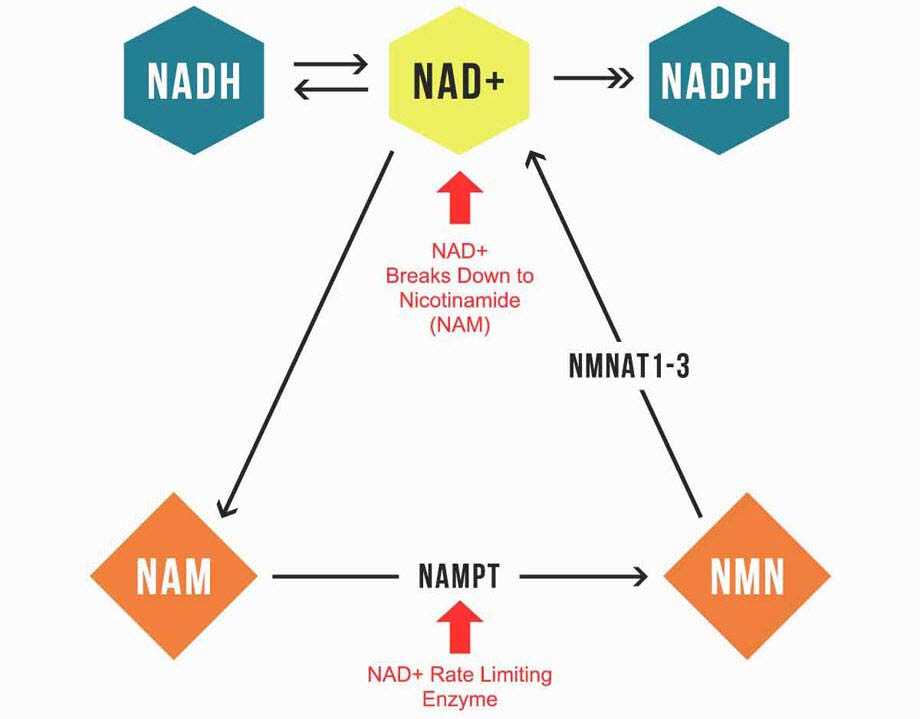
So let me review the reasons why Dr. Conlon and I both are convinced that niacinamide is the best NAD+ precursor. The immediate breakdown product of NAD+ is niacinamide and the enzyme NAMPT is the rate limiting enzyme in the salvage pathway to restore niacinamide back to NAD+. As you can see by the pathway below niacinamide is actually first converted to NMN before NAD+. This is likely why researchers like David Sinclair and others promote NMN.
However the enzyme NMNAT1-3 that converts NMN to NAD+ is not the rate limiting enzyme. Recall that NAMPT is what controls how much NAD+ you make. So you flooding your body with NMN is not going to be as useful as using small amounts of niacinamide and activating NAMPT as discussed below. Ideal dosing of niacinamide is from 25 to 50 mg three times a day. It is the rare person that will not respond favorable to this simple intervention for increasing NAD+.
Synergistic Lifestyle Strategies
While supplementation can be very valuable, it’s not a magic bullet. In most cases, supplementation needs to be done in conjunction with other healthy lifestyle changes for lasting, optimal results. So, to boost and maintain youthful NAD levels, consider the following healthy lifestyle strategies:
- Physical exercise — Naturally increases NAMPT by activating AMPK, which in turn increases NAD. Conlon cites research showing about three weeks of resistance training will boost NAMPT by about 127%, which again is far greater than what you can get from an NR supplement alone.
- Fasting or time-restricted eating — Naturally increases NAMPT by activating AMPK, which in turn increases NAD.
- Circadian rhythm optimization by going to bed at sunset and getting up at sunrise and avoiding blue light after sunset will have profound impacts on increasing NAMPT.
- Avoid radiation exposure — To protect your NAD by preventing its consumption by PARPs, consider avoiding EMFs in the form of your cell phone and Wi-Fi and other forms of DNA damaging radiation, such as unnecessary medical x-rays and CAT scans.
- Sauna bathing — Heat stress also helps boost NAD.
Considering you can’t really measure your NAD level, how can you your levels are improving? Conlon replies:
“We have three things that people always report back on. The first is energy levels, which is not surprising whatsoever given the key role that NAD has in the body of producing our energy. It’s not an energy boost where people feel wired … It’s more like having enthusiasm about the day — more ‘get up and go.’
The other thing is mental clarity and focus. And the final thing is sleep. NAD levels are actually circadian and cyclical and can fluctuate throughout your day … As you get older and NAD levels decline, the peaks and troughs of NAD decline too which can hamper your circadian rhythm, which means your sleep quality isn’t as good. Those are the three main things.”
I have a very optimized lifestyle that optimizes my NAD+ to youthful levels. I do this through an 18-hour daily fast in which I start my resistance training, and most days will follow that with an EMF-free sauna at 160 degrees F. for 20 minutes. I use 50 mg of the niacinamide powder I described above.
Even though I am rapidly approaching 70, my levels are that of someone much younger because of the activities I engage in that radically upregulate NAMPT. If you want to optimize your levels of NAD+, I encourage you to incorporate some of these strategies.