Tinnitus
now browsing by category
Sound Therapy Shows Promise in Managing Tinnitus
Reproduced from original article:
https://articles.mercola.com/sites/articles/archive/2026/01/05/tinnitus-sound-therapy.aspx
Analysis by Dr. Joseph Mercola January 05, 2026

Story at-a-glance
- Tinnitus isn’t just a ringing in your ears — it can interfere with memory, mood, and sleep, affecting your overall well-being when left unmanaged
- A Phase II clinical trial found that low-intensity sound therapy (LINTS) can reduce tinnitus symptoms without blocking out real-world sounds, helping the brain tune out the ringing naturally
- Sound therapy works by helping your brain reclassify tinnitus as background noise, reducing its emotional and cognitive impact over time
- For best results, work with a professional — sound therapy is most effective when guided by a trained audiologist
- Supporting your body with antioxidant-rich foods, magnesium, deep sleep, and a low-stress lifestyle can also reduce tinnitus intensity and help protect your hearing
If you’ve ever experienced a constant ringing, buzzing, or humming sound in your ears that no one else can hear, you’re not alone. This condition, called tinnitus, affects 50 million Americans today,1 and for many, it’s far more than a minor nuisance. It can disrupt sleep, concentration, and mental health, turning everyday life into a struggle.
Despite its impact, tinnitus treatments still center on counseling and coping strategies because the neurophysiological mechanisms behind this condition remain poorly understood. But that may soon be changing, as scientists are exploring how carefully tuned soft sounds can influence the brain itself.
Researchers Tested Low-Intensity Noise Therapy for Tinnitus Relief
A Phase II clinical trial published in Brain Sciences explored whether Low-Intensity-Noise Tinnitus Suppression (LINTS) could ease tinnitus symptoms without masking external sounds. The study was conducted by researchers from University Hospital Erlangen, in collaboration with neuromodulation centers in Mannheim and Ludwigshafen.2
The authors previously proposed LINTS as a novel approach, replacing internal neuronal “noise” with an external acoustic signal matched to the patient’s hearing threshold and tinnitus frequency.3
• How does LINTS work? Unlike conventional masking, which uses loud noise to cover tinnitus, LINTS delivers barely audible, threshold-level stimulation that patients often do not consciously perceive. This subtle design aims to modulate neural activity rather than hide the sound.4
• Treatment protocol — Participants were randomized into two groups:5 The treatment-only group, which received LINTS stimulation for four weeks, and the placebo plus treatment group, which received white noise for two weeks, then LINTS for four weeks.
Noise fitting was technically challenging; some patients received narrowband noise tuned to tinnitus frequency, while others received wideband noise due to device limitations. The participants wore hearing aids on affected ears for at least four hours per day, five days a week, with amplification disabled. Noise was delivered via internal generators or Bluetooth-linked devices.6
• How success was measured — Researchers tracked tinnitus loudness, pitch, and distress using audiograms and the Tinnitus Health Questionnaire (THQ) every two weeks, plus a follow-up four weeks after therapy ended. Statistical analysis included the Wilcoxon and Mann-Whitney U tests for non-parametric data.7
• What the numbers revealed — Based on the data results, the treatment-only group showed statistically significant reductions in tinnitus distress,8 with major drops seen during week 4. One patient reported complete tinnitus silencing while wearing the device, with a 47% reduction in THQ at four weeks post-treatment. Some participants even reported using the hearing aids at night for sleep relief.9
Meanwhile, the placebo plus treatment group showed improvements but were more minor and delayed, suggesting that prior white noise exposure may have been maladaptive.
• Why precision matters — Results are mixed, showing how important it is to get sound therapy just right. Low-level, custom-fit sounds helped reduce tinnitus without hurting hearing, but success depended on how well the noise was adjusted and the quality of the device.10
Although most patients did not reach the 12-point THQ improvement considered clinically significant, this study supports the notion that LINTS shows promise as a non-invasive therapy by retraining auditory pathways rather than masking tinnitus. The authors call for larger trials, improved fitting technology, and inclusion of patients with broader severity profiles.11
Why Sound Therapy Matters for Tinnitus Relief
Now that you understand the possibilities that LINTS offers, it’s helpful to step back and look at why sound therapy is one of the most effective ways to manage tinnitus. While it doesn’t “erase” the ringing, it can make it less intrusive and help your brain respond differently over time.
• Sound therapy changes how you perceive tinnitus — According to the American Tinnitus Association (ATA), sound therapy works by using external noise to help your brain change how it perceives tinnitus. By introducing structured sounds, your brain learns to see tinnitus as just background noise, making it less bothersome.12
• There are two main approaches — Sound therapy works in two ways:
◦ Masking — This method covers tinnitus with another sound, like white noise or nature sounds. It’s helpful in quiet environments or at bedtime because it gives your brain something else to focus on. Masking offers quick relief but doesn’t change how your brain processes tinnitus.13
◦ Retraining — Retraining uses neuroplasticity — your brain’s ability to rewire itself to teach you to ignore tinnitus naturally. Over time, the sound blends into the background, much like how you stop noticing a refrigerator hum. This approach forms the basis of Tinnitus Retraining Therapy (TRT).14
• There’s evidence of real relief from clinical trials — A 2022 study in the Journal of International Advanced Otology found that “88% of participants completing a four-month filtered music therapy program reported significant relief,” with an average 29-point drop in Tinnitus Handicap Inventory scores. That’s a measurable improvement in quality of life — less stress, better sleep, and more mental clarity.15
•For best results, seek a professional — Sound therapy works best when paired with counseling and a trained audiologist. Professionals can identify underlying causes and customize treatment, whether that means masking, retraining, or combining approaches for lasting relief.16

Save This Article for Later – Get the PDF Now
Uncovering the Mystery of Tinnitus
The term “tinnitus” comes from the Latin word “tinnire,” meaning “to ring.” At its core, tinnitus is often linked to malfunctioning in the cochlea or the nerves that run from the ear to the brain.17 The perceived sounds vary widely, from ringing to buzzing to hissing to whistling, or even a mix of these. Understanding what drives these “phantom sounds” is the first step toward managing them.
• How common is tinnitus? About 30% of people experience tinnitus at some point, and up to 10% live with it chronically. Roughly 32% of people in the U.S. report having tinnitus, with 6% describing their condition as severe. Prevalence rises with age, 5% at 20 to 30 years, 12% above 60, and 70% to 85% among the elderly, who are more prone to hearing loss.18
• Why does it happen? Tinnitus is usually linked to inner-ear or auditory nerve dysfunction. Common triggers include age-related or noise-induced hearing loss, earwax buildup, TMJ disorders, head or neck injuries, and rapid pressure changes. Certain medications, such as ototoxic antibiotics, loop diuretics, and chemotherapy drugs, can also cause tinnitus.19
• Types of tinnitus — The most common form is called subjective tinnitus, which is only heard by the patient and often linked to hearing loss or neurological changes. Meanwhile, objective tinnitus, which is rare, can be detected by others using a stethoscope and is usually caused by vascular or muscular issues, such as middle-ear muscle spasms or temporomandibular joint (TMJ) disorders.20
• It’s not “all in your ears” — Newer research suggests that when the brain’s natural “noise canceling” system breaks down, the tinnitus signal may travel to the auditory cortex and become more persistent. Stress and emotional factors may also increase sensitivity to the noise.21
How Tinnitus Affects Your Body and Mind
That constant ringing in your ears isn’t just annoying — it’s a signal that your body is under stress. From the moment tinnitus starts, your brain scrambles to make sense of the noise, pulling energy away from focus and memory. Over time, this ripple effect can trigger fatigue, mood swings, and even changes in heart rate. What seems like “just an ear problem” can quietly influence your entire well-being.
• Tinnitus linked to impaired cognitive function — A 2022 study in Frontiers in Neurology analyzed data from 684 adults in the National Health and Nutrition Examination Survey (NHANES). Researchers identified tinnitus as “one of the most common potential risk factors for cognitive impairment” and grouped participants by tinnitus duration: acute (less than three months) and non-acute. To measure cognitive performance, they used three standardized tests:22
◦ Consortium for the Establishment of Alzheimer’s Disease Word Learning test (CERAD‑WL)
◦ Animal Fluency Test (AFT) — Listing as many animals as possible in one minute
◦ Digit Symbol Substitution Test (DSST) — Assessing processing speed and attention
Adults with tinnitus scored lower on both the AFT and the DSST than those without tinnitus, suggesting reduced cognitive function. Even after adjusting for age, education, stroke, and other health factors, tinnitus remained significantly linked to lower scores.23
• Tinnitus increases your risk of anxiety, depression, and poor sleep — A 2021 research published in the journal JAMA tracked 5,418 adults aged 40 and older from the Rotterdam Study and used validated mental health tools to detect depressive symptoms, anxiety, and sleep disorders.24
Compared to those without tinnitus, people with tinnitus had more depression, anxiety, and poorer sleep. Even those with milder symptoms reported higher levels of all three. These patterns persisted for years, and tinnitus sufferers continued to report more anxiety and sleep problems over time.25
The study concluded that tinnitus-related emotional stress may linger or grow worse over time, even among people who say the sound doesn’t disrupt their day.
• Tinnitus is surprisingly common during pregnancy — A review published in The Practicing Midwife journal noted that about one in three pregnant women, compared to non-pregnant women of similar age, report experiencing tinnitus — sometimes for the first time. The review also discusses the potential for the condition to worsen temporarily:26
“Occurrence or exacerbation of tinnitus can also be indicative of pregnancy-induced deterioration in some preexisting auditory conditions. Two-thirds of women with otosclerosis will experience an exacerbation of their symptoms (hearing loss and tinnitus) during pregnancy. This exacerbation is likely to be the result of raised oestrogen levels, which can promote the form of abnormal bone growth associated with otosclerosis.
Although the condition is irreversible, symptoms can improve after birth. In the case of Ménière’s disease, a condition characterised by low pitched tinnitus, aural fullness, vertigo and a low frequency hearing loss, symptoms are often exacerbated by the natural decreases in serum osmolality (thinning of the blood by ≤ 10 mosm/kg) which occurs between weeks five and 16 of pregnancy.
Decreased serum osmolality is thought to increase the volume (and thereby pressure) of endolymphatic fluid in the inner ear.”
Did you know that you’re also more likely to get pulsatile tinnitus when you’re pregnant? Read about it in “Is It Normal to Hear Your Heartbeat While Lying on Your Pillow?”
• Tinnitus often coexists with other health conditions — According to the ATA, tinnitus is frequently linked to hearing problems, balance disorders, and mental health issues. In some cases, the conditions listed below cause tinnitus; in others, tinnitus makes them worse:27
◦ Hearing loss — This is probably the most common underlying cause of tinnitus, affecting about 90% of patients — even when they don’t notice it. Research also shows that hearing loss isn’t just an ear issue; it’s associated with a higher risk of heart failure.
◦ Ménière’s Disease — This vestibular disorder impacts the inner ear, causing hearing and balance issues. Symptoms include vertigo, hearing loss, and tinnitus. It affects 0.02% of the U.S. population (around 615,000 people) and is diagnosed.
◦ Misophonia — Also called selective sound sensitivity, it triggers intense emotional reactions to specific sounds, like chewing or sniffing, and, in some cases, even to specific visual cues. About 4 to 5% of tinnitus patients experience this condition.
Beyond Sound Therapy — More Drug-Free Ways for Tinnitus Management
According to The Open Neuroimaging Journal, “there is currently no permanent cure for tinnitus because it can arise from multiple causes.”28 And while sound therapy can offer relief, there are other strategies you can try to manage this condition.
1. Eating certain foods helps lower your risk of tinnitus — What you eat can make tinnitus worse or better. Start by cutting out excitotoxins like aspartame, MSG, and “natural flavors” found in ultraprocessed foods and drinks.
Then, add antioxidant-rich fruits29 like watermelon and papaya to reduce oxidative stress, swap seed oils for real butter to support nerve health, and include legumes such as lentils or chickpeas three to four times a week for better microcirculation and auditory function.
2. Boost magnesium to support hearing and brain function — Having low magnesium levels doesn’t just affect your energy; it disrupts both memory and hearing. Research shows that magnesium supplements can help reduce tinnitus and, in some cases, improve hearing.30
Start with magnesium citrate to find your ideal dose (increase gradually until stools become loose, then slightly reduce). Once you’ve found your threshold, switch to well-absorbed forms like magnesium glycinate, malate, or L-threonate, which are easier on your gut.
3. Prioritize deep sleep to ease tinnitus and mental fatigue — Poor-quality sleep makes tinnitus feel louder and clouds your thinking. You need uninterrupted, restorative sleep to reset your auditory system and flush out brain waste that dulls cognitive performance. Limit naps to 20 to 25 minutes, avoid overheating at night, and use blackout curtains for deeper rest.
4. Support sound therapy with these drug-free methods — If you’re exploring sound therapy — or just starting to consider it — several techniques can help calm the noise and retrain your brain. Here are sound-based strategies that offer comfort and long-term relief:31
a. White Noise Therapy — Gentle background sounds like static or a fan softens the contrast between silence and ringing, making tinnitus less intrusive in quiet spaces.
b. Notched Sound Therapy — Removes the frequency matching your tinnitus from music or noise, helping your brain gradually “ignore” the ringing over time.
c. Nature Soundscapes — Ocean waves, rainfall, or birdsong create a calming environment that masks tinnitus and reduces stress-related flare-ups.
d. Binaural Beats — Slightly different tones in each ear produce a third tone that promotes relaxation, better sleep, and reduced anxiety.
e. Crystal Singing Bowls — Resonant tones encourage deep relaxation and nervous system reset, often used in meditation practices.
f. Tuning Fork Therapy — Vibrations from tuning forks may help release tension, restore mental clarity, and promote a sense of balance.
Tinnitus may be invisible, but its impact is real. The constant noise can chip away at your focus, energy, and peace of mind, often leaving you frustrated and exhausted. Many people are told to cope — but now there’s a new way forward.
You don’t have to fix everything at once. You don’t have to suffer in silence either. While tinnitus can sometimes linger, remember it doesn’t have to control your day. Relief is possible, and it begins with empowering your brain to help quiet that noise once and for all.
Frequently Asked Questions (FAQs) About Sound Therapy for Tinnitus
Q: What is tinnitus?
A: Tinnitus is the perception of sound — like ringing, buzzing, or hissing but without an external source. It’s not a disease, but a symptom of an underlying issue such as hearing loss, nerve damage, or stress.
Q: Can soft sound therapy really help with tinnitus?
A: Yes. A clinical trial from University Hospital Erlangen found that low-intensity noise — matched to your hearing threshold and tinnitus pitch — can reduce tinnitus symptoms over time. Instead of masking the sound, this gentle therapy helps retrain your brain to react less to the ringing.
Q: Is tinnitus dangerous?
A: While not life-threatening, it can take a serious toll on mental health, sleep, memory, and focus. Left unmanaged, it may contribute to anxiety, depression, and cognitive fatigue.
Q: Are there different kinds of sound therapy?
A: Yes. Masking uses white noise or natural sounds to cover tinnitus temporarily. Retraining therapies use specific tones to help your brain learn to ignore the sound altogether.
Q: Is there a cure for tinnitus?
A: There’s no universal cure because causes vary, but many people find long-term relief through a mix of sound therapy, lifestyle changes, and expert care.
- 1 American Tinnitus Association, What is Tinnitus?
- 2, 7, 8, 9 Brain Sci., 2025;15(11):1222
- 3, 4, 5, 6, 10, 11 News-Medical, November 16, 2025
- 12 American Tinnitus Association, Sound Therapy
- 13, 14, 15 Timpanogos Hearing & Tinnitus, October 30, 2025
- 16 Sound Relief Tinnitus & Hearing Center, Feb 10, 2025
- 17, 18, 19, 20, 21, 28 Open Neuroimaging J, 2020;13:37
- 22, 23 Front. Neurol., 2025;16:1533821
- 24, 25 JAMA Otolaryngol Head Neck Surg, 225;151(7):e222515
- 26 Pract Midwife, 2012;15(8):20-3
- 27 American Tinnitus Association, Other Hearing Conditions
- 29 BMJ Open, 2025;15(3):e091507
- 30 Int Tinnitus J, 2011;16(2):168-73
- 31 Treble Health, June 5, 2025
Can Magnesium Relieve Your Tinnitus?
Reproduced from original article:
https://articles.mercola.com/sites/articles/archive/2024/03/06/magnesium-tinnitus-relief.aspx
The original Mercola article may not remain on the original site, but I will endeavor to keep it on this site as long as I deem it to be appropriate.
Analysis by Dr. Joseph Mercola March 06, 2024
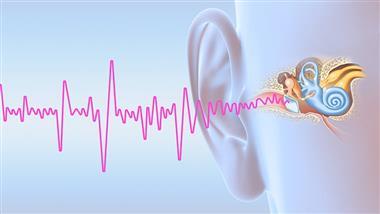
STORY AT-A-GLANCE
- Nearly 15% of the U.S. suffers from tinnitus — the perception of sound when no external sound is present, as a result of exposure to loud noises, medications, infection or disease
- Although not curable, there are treatments that may reduce the severity of symptoms, including supplementation with magnesium, zinc or ginkgo biloba
- Preventive strategies reduce your risk of suffering tinnitus; symptom severity may also be affected by other nutrients and tinnitus retraining therapy
Nearly 50 million Americans experience tinnitus, or nearly 15% of the U.S. population.1 Tinnitus is the perception of sound when there is no external sound present. Others can’t hear what you’re hearing, and it’s often referred to as “ringing in the ears.”
However, the reference to ringing doesn’t exactly ring true, as sufferers may complain of sounds that include hissing, buzzing, whistling or swooshing.2 For many, the condition resolves after a couple of days, but roughly 20 million struggle with chronic tinnitus, while 2 million have a debilitating form of the condition.
Currently, there is no cure, but there are treatment options that give sufferers better quality of life and may reduce the severity of the symptoms.
Historically, tinnitus develops in those over the age of 50. Research is now demonstrating the incidence is rising, even among young people, which is thought to be the result of increased exposure to loud environmental noise.
Unfortunately, tinnitus may be a future predictor of hearing loss, possibly related to other lifestyle choices, such as listening to loud music, using earbuds and using mobile phones. In a study from McMaster University in Canada, researchers are finding more children than expected between ages 11 and 17 with early tinnitus.3 According to study author Larry Roberts, Ph.D.:4
“It’s a growing problem and I think it’s going to get worse. My personal view is that there is a major public health challenge coming down the road in terms of difficulties with hearing.”
How Tinnitus Develops
After listening to loud music, you may notice a slight ringing in your ears that resolves over a short period of time. More than half of the students in the study from McMaster University had experienced this transient tinnitus and 28% had developed persistent early tinnitus.5
Neurological damage or damage to the small hairs that line your inner ear and vibrate in response to sound waves can result in tinnitus,6 and you may experience the condition in one or both ears.7
Auditory signals are sent from small structures in the ear to the cochlea and are transmitted to a structure in the brain called the dorsal cochlear nucleus. The dorsal cochlear nucleus has the capability of boosting or reducing sound, which may be compromised after multiple exposures to loud noise.
Researchers found that repetitive exposure to loud noise also alters brain plasticity. The development of tinnitus may also result from infection, medications and age.8 Tinnitus can also be a symptom of Meniere’s disease, a condition affecting the balance mechanism in the inner ear.
A buildup of earwax in the outer ear may cause pressure and affect the development of tinnitus. Hypertension, anxiety and stress are also associated with the development of the condition. After exposure to loud noise, you may find a short period of time where sound is subdued and it feels like the world turned down the volume.
During this period, your dorsal cochlear nucleus may try to compensate by boosting the auditory signal. While successful, it may result in a memory that triggers tinnitus, often in a specific sound frequency.
The consequence is hearing sound when there is no sound, as your dorsal cochlear nucleus continues to boost an auditory signal. Researchers have now identified a mineral that may prevent the dorsal cochlear nucleus from permanently turning up the dial and triggering chronic tinnitus.
Magnesium Supplementation May Reduce Symptoms
Studies have demonstrated an improvement in hearing when participants, who suffer from sensorineural or noise-induced hearing loss, are supplemented with magnesium.9
Magnesium intake in the U.S. is well below recommended levels,10 which may increase your potential risk of tinnitus. In the video above, I review the importance of choosing the right type of magnesium supplement.
To determine if using magnesium supplementation could reduce symptoms, participants with chronic tinnitus were asked to take a magnesium supplement for three months. The 26 individuals evaluated and recorded their symptoms daily, using the Tinnitus Distress Rating Scale.
Researchers also administered the Tinnitus Handicap Inventory before and after the intervention. Of the 26 participants who enrolled, 19 finished the study.11
Participants who ranked their symptoms as “slight” or greater on either scale before the supplementation, experienced a significant decrease in the severity of their symptoms after the intervention was completed.
The researchers concluded that magnesium supplementation had a beneficial effect. Magnesium helps maintain normal nerve function, including the nerves that are involved in hearing. However, while magnesium may help reduce tinnitus and hearing loss, taking supplementation is not a reason to purposefully expose yourself to loud noises.
Magnesium is also a powerful glutamate inhibitor. Glutamate is a neurotransmitter produced by hair cells in your inner ear when they are affected by sound waves. If glutamate is unregulated by a deficiency in magnesium, it may affect the development of tinnitus.12
Magnesium also helps to relax blood vessels, which may improve blood flow to the cochlea in the inner ear.13 Improved blood flow may help transport protective antioxidants to the inner ear.
Download this Article Before it Disappears
Magnesium Deficiency May Affect More Health Conditions
Animal studies demonstrate a deficiency in magnesium increases the risk of noise-induced hearing loss, but magnesium deficiency affects far more than your hearing. Magnesium is involved in the metabolism of carbohydrates and energy production, creation of DNA and RNA, and is a structural component in bone, cells walls and chromosomes.14
Symptoms of overt magnesium deficiency are relatively rare, as the mineral is plentiful in many foods and your body is able to limit excretion through your kidneys when your supply is limited. However, while overt deficiency is rare, many Americans do not get enough magnesium from their diet, which may contribute to symptoms related to low levels of the mineral.
Several health conditions may increase your risk of magnesium deficiency or low levels that contribute to symptoms, including gastrointestinal disorders that may lead to depletion of magnesium, age-related reduction in absorption, health conditions such as diabetes, which may cause your body to excrete more magnesium, and chronic alcoholism.15 Low levels of magnesium, in turn, can contribute to the development of:
| Metabolic syndrome | Hypertension | Diabetes |
| Cardiovascular disease | Heart arrhythmias | Osteoporosis |
| Complications in pregnancy | Pre-eclampsia and eclampsia | Asthma |
| Stroke | Endothelial dysfunction | Migraine headaches |
Psychiatric Disorders and Stress Associated With Tinnitus
Many adults who suffer from tinnitus also have coexisting psychiatric disorders that range from anxiety to personality disorders. In fact, some researchers suggest tinnitus is not simply a condition affecting the auditory system, but rather is neuropsychiatric in nature, which would explain why it often occurs alongside cognitive and behavioral symptoms.
Depression affects 62% of people with tinnitus.16 Stress is both a predictor and coexisting condition in people who suffer from tinnitus. In one study, stress was a strong predictor of the severity of the symptoms.17 Many people who suffer from tinnitus notice their first symptoms occur during a stressful life event, such as a sickness in a family member, accident or surgery, divorce or being laid off. As noted in the Journal of Neurology, Neurosurgery and Psychiatry:18
“These events can heighten the brain’s arousal, and the tinnitus may be noted cortically [by the cerebral cortex]. This interaction between reduced auditory sensation and brain compensation might explain why some people are very bothered by their tinnitus and others just adjust to it.”
Other Vitamins Impact Hearing Loss and Tinnitus
Other vitamins also impact hearing loss and tinnitus. These include:19,20
| Vitamin C — Vitamin C may protect against noise-induced hearing loss. Food sources include citrus fruits, tomatoes, broccoli and strawberries.21 |
| Beta-carotene — Increased intake is associated with better hearing at speech and high frequencies. Food sources include orange colored foods such as carrots, pumpkin and winter squash.22 |
| Antioxidants — These help neutralize reactive oxygen species involved in the progression of tinnitus. Food sources include wild blueberries, pecans, artichokes, cilantro, cranberries and blackberries.23 |
| Lipoic acid — Reduces age-related hearing loss and is found in spinach, broccoli and animal organ meats.24 |
| Folate and vitamin B12 — Important to the health of nerve cells, these vitamins reduce levels of homocysteine linked to higher risk of hearing problems. Food sources include lentils, chickpeas, spinach and asparagus.25 |
| Melatonin — A hormone critical for sleep, it is also effective against hearing loss resulting from loud noise. You may boost your melatonin naturally by practicing healthy sleep habits. |
| Ginkgo biloba — An herbal supplement that may protect against hearing loss and reduce severity of tinnitus symptoms. |
| Coenzyme Q10 (CoQ10) — Antioxidant that supports mitochondrial function and may reduce noise-induced hearing loss. Found in beef, herring, chicken, sesame seeds and broccoli.26 |
| Zinc — A mineral important to your nervous system, zinc has antioxidant and anti-inflammatory properties. Food sources include oysters, beef, chicken, cashews and almonds.27 |
| Taurine — May help reduce the severity of tinnitus and has demonstrated a protective effect in hearing loss associated with medication use. Food sources include seafood and meat. Your body can metabolize taurine from cysteine, but age reduces this ability.28 |
Specific Noise Frequencies May Combat Tinnitus
While there is no cure for the condition, some are able to acclimate to the tinnitus so it isn’t as disruptive to their daily lives. Essentially, a tinnitus retraining therapy program can help retrain your brain to “tune out” the noise generated by your nerve cells. The type of sound used in the therapy is determined by how the condition is experienced; some suffer from a constant high-pitched ringing, while others hear a steady series of swooshing sounds.
Tinnitus retraining therapy, also called habituation, works by conditioning your brain as you listen to background noise or music during your waking hours. This is intended to distract your brain from tinnitus and help the brain to effectively “forget” it’s occurring.29
However, it’s important to choose the right type of environmental noise to treat your specific tinnitus. Your therapy will account for spectral density of sound, which is how power from sound signals are distributed through frequencies. The sound of your tinnitus operates at different frequencies, and so will the sound used in your therapy.
White noise is like the sound of a fan, which appears to work best for people who suffer from tinnitus that sounds like a shushing. White noise combines high and low frequencies, much like a sound equalizer. Pink noise may sound like a waterfall, or rain on a roof, and may help relax your mind and encourage more restful sleep.30
Red/brown noise is any sound that mimics Brownian motion, or a random placement of particles in liquid and the subsequent collisions between fast moving atoms and molecules. This type of sound is best suited for tinnitus that responds well to low sounds, like thunder.
Tips to Protect Your Hearing
It’s estimated that half of cases of hearing loss are avoidable.31 Protecting yourself from loud noises is the first step in preventing both tinnitus and hearing loss. Eating a healthy and varied diet of whole foods can help prevent age-related hearing loss by optimizing your intake of vitamin rich foods. The following recommendations may also help prevent hearing loss or tinnitus:
| Turn down the volume on personal audio devices. |
| Download a decibel meter app for your smartphone, which will flash a warning if the volume is turned up to a potentially damaging level. |
| Wear earplugs when you visit noisy venues. If you work in a noisy environment, be sure to wear ear protection at all times. |
| Use carefully fitted noise-canceling earphones/headphones, which may allow you to listen comfortably at a lower volume. |
| Limit the amount of time you spend engaged in noisy activities. |
| Take regular listening breaks when using personal audio devices. |
| Restrict the daily use of personal audio devices to less than one hour. |
| If you live in a very noisy area, you may want to consider moving. If moving is not an option, consider adding acoustical tile to your ceiling and walls to buffer noise. Double-paneled windows, insulation, heavy curtains and rugs can also help reduce noise volume. |
| Use sound-blocking headphones to eliminate occasional sound disturbances such as that from traffic or lawnmowers. Wear ear protection when using your lawnmower or leaf blower. |
- 1, 2 American Tinnitus Association, Understanding the Facts
- 3, 4, 5 Daily News, June 7, 2016
- 6 Daily Mail, February 22, 2011
- 7 CNN March 22, 2017
- 8 NIH. Tinnitus May 1, 2023
- 9, 11 International Tinnitus Journal, 2011; 16(2):168
- 10, 14, 15 Oregon State University Micronutrient Information Center, Magnesium
- 12 Tinnitus Formula, Magnesium, Your Health and Tinnitus
- 13, 19 Life Extension, Hearing Loss and Tinnitus, Targeted Nutritional Therapies
- 16, 18 Journal of Neurology, Neurosurgery & Psychiatry. The Neuropsychiatry of Tinnitus
- 17 Psychotherapy and Psychosomatics, 2012;81(5):324
- 20 Life Extension Greater Intake of Beta-Carotene, Vitamin C, Magnesium Associated With Lower Risk of Hearing Loss
- 21 Oregon State University Micronutrient Information Center, Vitamin C
- 22 Oregon State University Micronutrient Information Center, Carotenoids
- 23 Superfoodly, ORAC Values: Antioxidant Values of Foods & Beverages
- 24 Oregon State University Micronutrient Information Center, Lipoic Acid
- 25 Oregon State University Micronutrient Information Center, Folate
- 26 Oregon State University Micronutrient Information Center, CoEnzyme Q10
- 27 Oregon State University Micronutrient Information Center, Zinc
- 28 Life Extension, The Forgotten Longevity Benefits of Taurine
- 29, 30 Sanuthera, White Noise, Pink Noise — What Color Is Your Tinnitus?
- 31 World Health Organization, February 27, 2015